The Farmer's Daughter
  • Home
  • About
  • All Who Wander

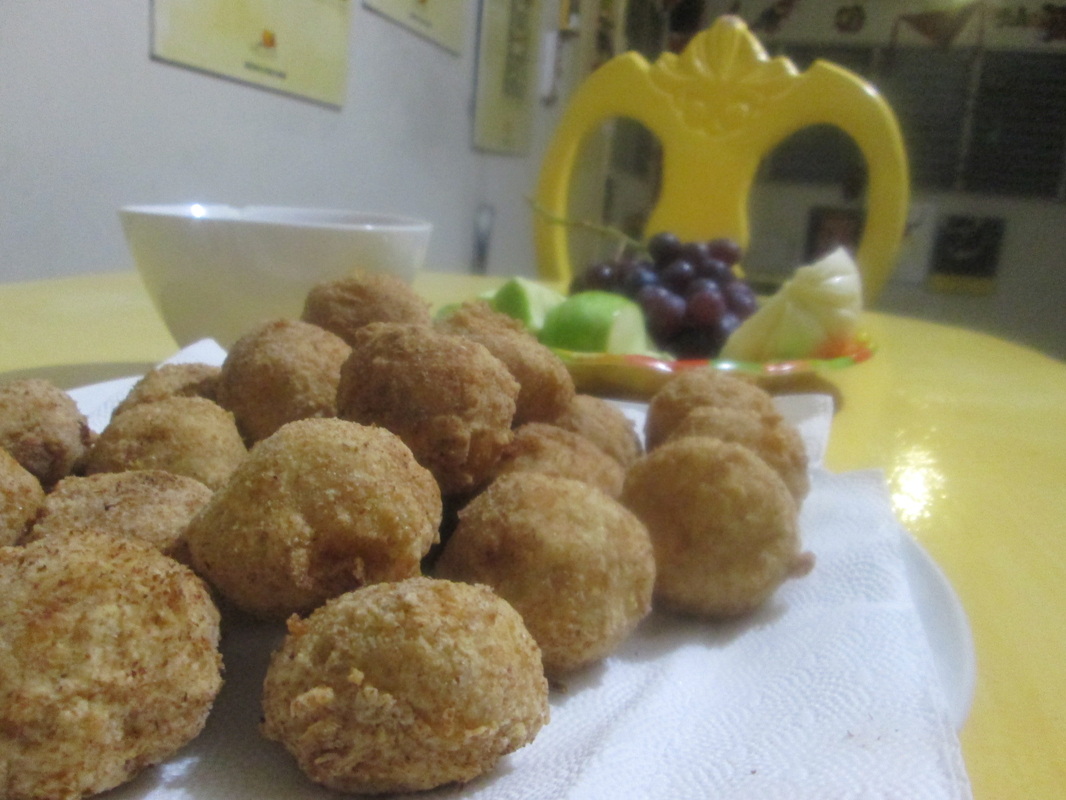
Lessons learned from the Dominican Republic and Bollitos de Yuca, the next big thing in Super Bowl appetizers. 

1/30/2015

1 Comment

 
Picture
A little piece of sunshine from the Dominican Republic
Last week I travelled to the Dominican Republic. It wasn’t so much a vacation as a return to my home away from home. I lived on that tiny island for a year teaching English to university students, munching on plantains, and soaking up all that the Dominican sun and culture had to offer. This trip was my first visit back in nearly a year and a half and I couldn’t have been more excited to see my old friends and get my hands on those tropical fruits and veggies that can’t withstand our Illinois winters. I spent my mornings sucking down papaya smoothies and my evenings sipping on passion fruit mojitos. It was glorious. So glorious in fact, that I have to share with you a little bit of Dominican cuisine so that you can try it for yourself. This recipe is called “bollitos de yuca,” or “little balls of yuca.” Move over chicken wings and potato skins, these little babies are going to be the next big thing when it comes to Super Bowl appetizers. Crispy, creamy, and cheesy, they've got all the best texture combinations covered. Test them out on the big day this weekend and see what I'm talking about. And although this recipe traditionally calls for yuca, the large tuberous root vegetable that is a staple of the Dominican diet, you can easily substitute potatoes to keep this recipe nice and local. Maybe you’ve got some leftover garden potatoes that have been sitting in storage and that would be perfect for this recipe, but if not, check at your winter farmers markets. Or give PrairiErth Farms a call, they've got an abundance of potatoes still available.
Picture
Ingredients
  • 1 lb. of yuca (substitute locally-grown potatoes)
  • 2 tablespoons of butter
  • ¼ cup of milk
  • 1 farm-fresh egg
  • ½ lb of cheddar, cubed
  • 1 teaspoon of curly parsley, finely chopped
  • Sufficient oil for deep frying (a minimun of 3 cups)
  • ¼ cup of flour (breadcrumbs or panko would work well too)
  • Salt
Note: This recipe is very flexible and you could add in virtually any flavor or seasoning that you'd like. I personally think that crispy fried bacon would be a great addition. Just mix it in into the potatoes while you are mashing. 

Click here for full instructions. 
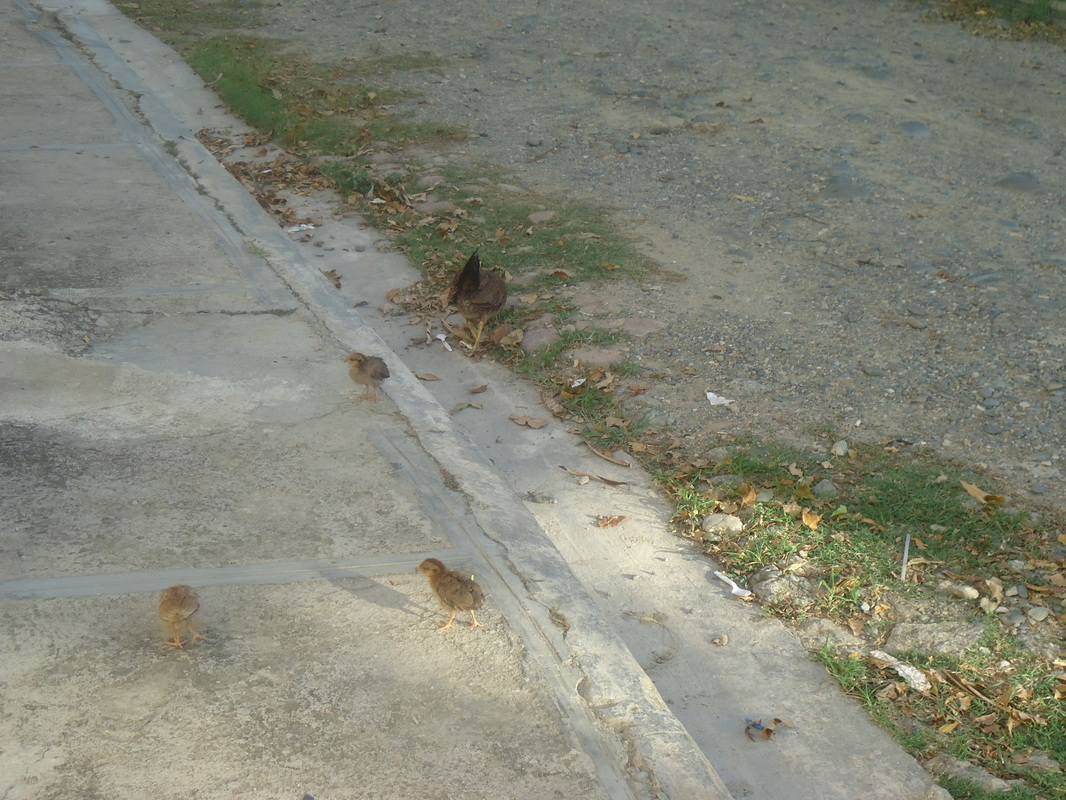
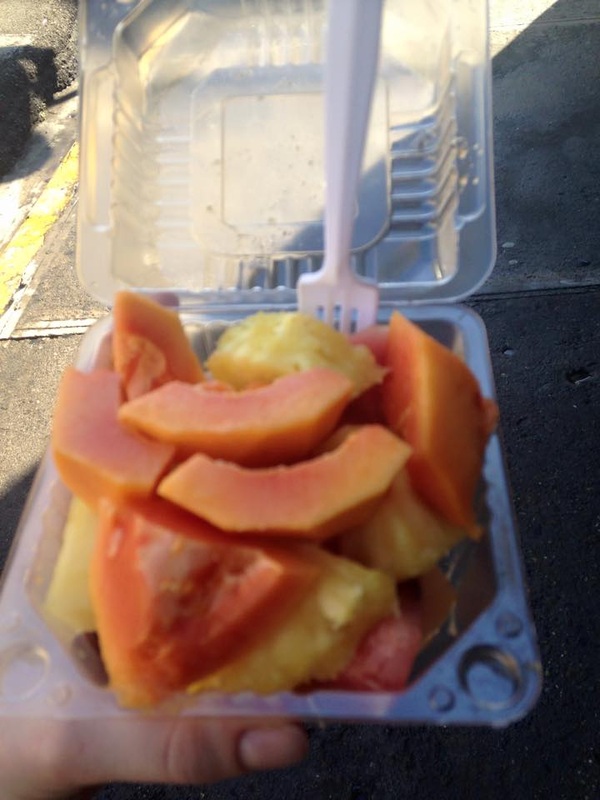
One of the wonderful things about the Dominican Republic, besides the sun-soaked beaches and passion fruit mojitos, is that the issue of buying locally doesn't exist. Everybody buys locally because everything is grown on the island. Anyone and everyone who lives in the countryside is sure to have their own garden or patch of ground where they harvest a modest amount of vegetables, a small flock of poultry, and maybe a pig which will be fattened up all year and roasted on Christmas. Those that live in the city will have mango and avocado trees in the their backyards and often raise chickens. There is no escaping the daily wake-up call of the rooster at 5 a.m. no matter where you live. And even in the heart of cities it is not uncommon to stumble across small fields filled with rows of plantain trees, surrounded by bustling streets and crumbling buildings on either side. Sure you can find plenty of imported food at the larger grocery stores, but most Dominicans don’t shop at larger grocery store chains all that often. Partly because the imported food is way more expensive, partly because there aren't that many large grocery stores available (I’m told that the largest supermarket chain in the country, La Sirena, resisted a deal with Wal-Mart, which makes me immensely happy), and partly because most everything they need they can get from the local “colmado,” the little mom and pop corner stores that dot every street and corner, or from passing marchantes (vendors with wheelbarrows or baskets full of produce that walk up and down the streets calling out for people to buy their goods). In fact, on my daily walk to work at the university, I consistently bought fresh cut fruit from a little pop-up stand and passed free-range chickens scurrying across the road. 

Picture
La Marchante selling her produce in the street
Picture
Baby chicks dot the road on my way to school
Picture
Fresh cut papaya, pineapple, and cantaloupe makes for an amazing breakfast
The bottom line is, you don’t need to travel far to find extremely fresh, locally grown produce when you live in the D.R. It’s almost always at your fingertips. So when my Dominican friends asked me what I was up to back in Illinois, I sputtered. How do you explain that you work to promote local food systems in a country where local food problems literally do not exist? Throw in trying to explain it in sub-par Spanish and you can bet I was staring at some confused faces. 

I'll leave you with this thought: 
The United States is one of the leading industrial and agricultural countries in the world, but what price have we had to pay to claim that title? 70% of our diet is made up of processed food and we are ranked 37th in life expectancy globally (PBS News Hour) Our people don’t understand where their food comes and don’t know how to grow it for themselves. Our farmers have been forced to apply more chemicals and clear more land in order to earn a living on their farms, while the health of our soils, water, and air has been pushed to the wayside. We import food from all over the world instead of raising what we need to feed our own communities and economies. Maybe the Dominican Republic is just a little third-world island in the middle of nowhere, but when it comes to local food, we could learn a lesson or two. 
1 Comment

The Secret Ingredient to Soul-warming Soups

9/16/2014

1 Comment

 
Fall has fallen. And rather quickly I might add. One day I'm skipping along in sundresses and flip flops, and the next day I'm bundling up in flannel and cowboy boots and ducking my head against the chilly autumn rain. The one perk of this weather is that it's the perfect time to make heaping bowls of warm soup. And from chicken-noodle to chili, I can tell you that there is one secret ingredient to any and every soup: homemade stock. 
I know that making stock doesn't sound all that glamorous, but trust me, not only will homemade stock make your soups taste like a bowl of hugs sprinkled with sunshine and rainbows, it is also healthier and far more economical than buying stock at the store. Making stock at home allows you to control the sodium, ingredients, and flavors. Plus there is no need for added preservatives, you can just freeze the stock in ready to use quart bags and toss 'em in your soup whenever they are needed. Also, if you were going to splurge an a good quality stock at the store, it would cost you upwards of $3 a quart, whereas homemade stock can be made for pennies. Perhaps what I like most about stock though is that it let's me use up every part of the animal, right down to the collagen and bones, and makes me feel like I am honoring that animal's life a little bit more by not wasting any part of it. I'm not a vegetarian, but I do try to be conscientious of my impact on this earth and the animals and people that live in it, and making homemade stock is one more way I can practice a more thoughtful lifestyle. 
All philosophy aside though, homemade stock is simply delicious, so tie on those apron strings and head to the kitchen!
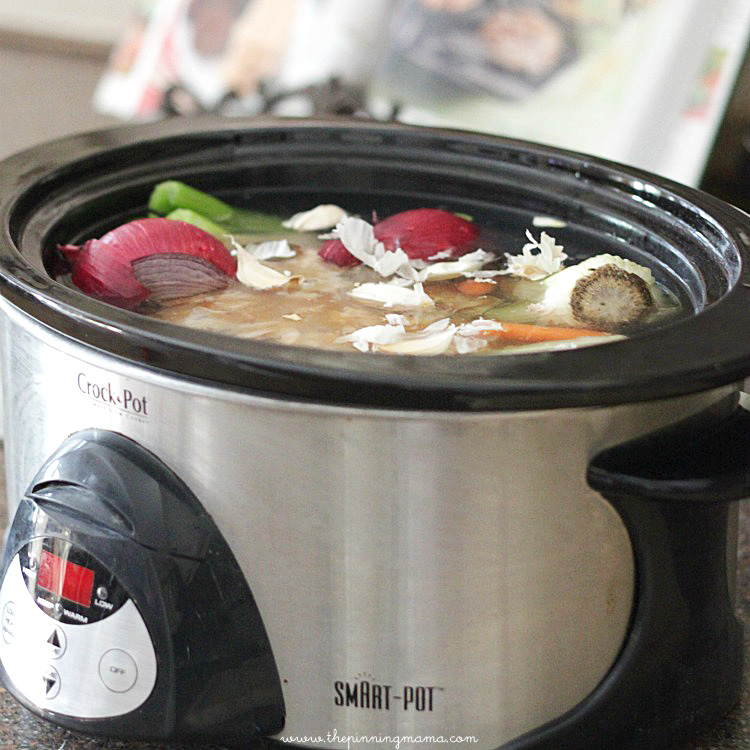
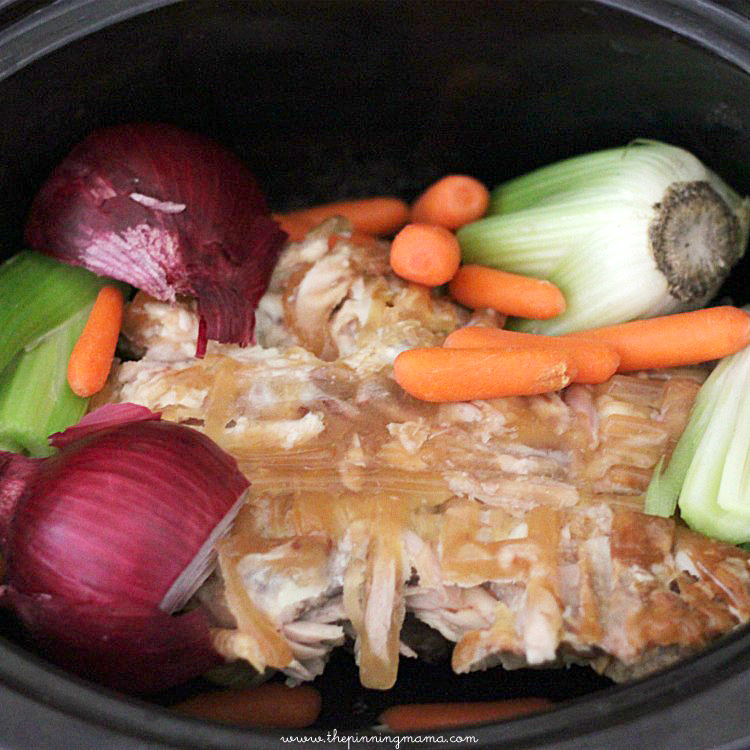
Now making stock is not an exact science, so the recipe below is more of a guideline than an actual recipe. You can adjust the quantities or substitute the vegetables according to what you have on hand. I do however, highly recommend keeping a "stock bag" in your freezer where you can toss your vegetable tops and parts (from celery and carrots especially), your leftover chicken bones if you don't want to use them immediately, and any other scraps of veggies that you would probably end up tossing (what else are you going to do with that half an onion or the rest of that cabbage that didn't make it into the coleslaw?) Then, whenever you plan to make stock, there is no need to go out and buy additional vegetables to add in, because you've already got a small stockpile of FREE vegetable scraps in the freezer. Also, I like to roast my chickens the day before I plan on using them in soup. That way I can shred all of the chicken off the carcasses and store it in the fridge and make the stock from the carcasses in my crock-pot over night. So here's the basic guideline: 

Picture
Picture
Ingredients: 
1 crock-pot
1-2 chicken carcasses, including necks and backs
1 large onion, quartered
4 carrots, peeled and cut in 1/2. (carrot tops and bottoms are great to use in stock as well)
4 ribs celery, cut in 1/2 (I generally buy a whole celery heart, then use the trimmed roots and tops in the stock and save the edible ribs for eating as a snack with hummus or peanut butter)
1 apple, cored and cut into cubes.
10 sprigs fresh thyme
10 sprigs fresh parsley with stems
2 bay leaves
8 to 10 peppercorns
2 whole cloves garlic, peeled
2 Tbsp honey
Salt to taste (1 tsp- 1Tbsp)
1-2 gallons cold water


Directions:
Place chicken, vegetables, herbs, spices, and honey in 12-quart stockpot. Pour enough water over to fill the crock pot. Cook on high heat until you begin to see bubbles break through the surface of the liquid. Turn heat down to medium low so that stock maintains low, gentle simmer. If you want clear stock, leave the lid off the crock-pot and simmer the stock uncovered for 6-8 hours, skimming off any of the "scum" (proteins released from the animal bones during exposure to heat) with a spoon or fine mesh strainer every hour or so. You may also have to continue to add water to keep the vegetables and bones submerged. If you don't care about having clear stock (I don't as there is no real flavor difference), then leave your crock-pot lid on and let the baby simmer untouched for 6-8 hours or overnight. What could be easier than that? 
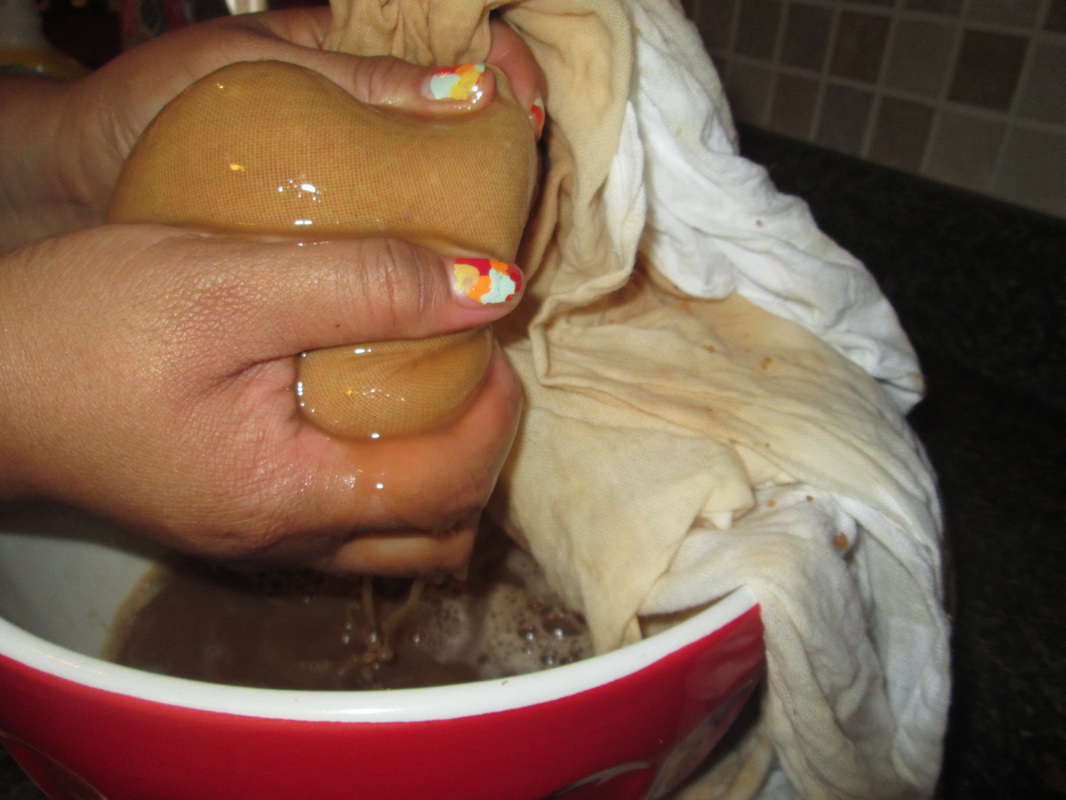
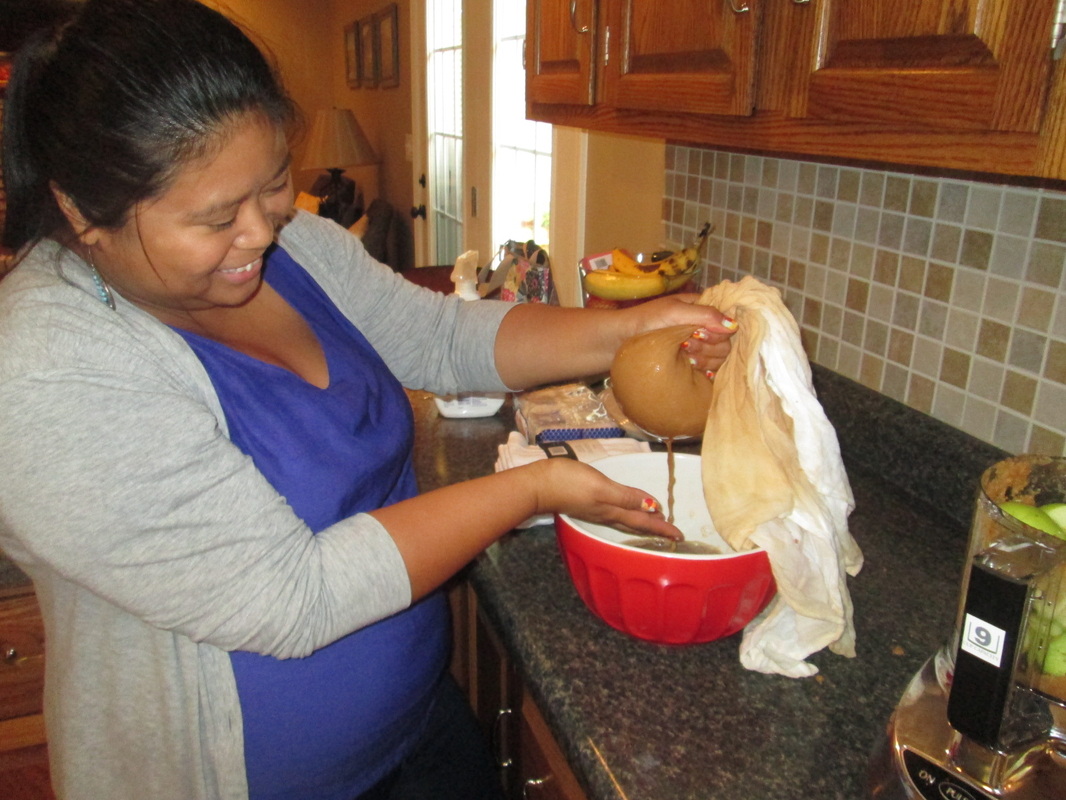
After the allotted time, strain the stock and discard the solids. Throw it in the refrigerator to cool. After about an hour or so the fat will congeal on the top and you can skim this part right off. The stock will keep with a lid in the refrigerator for 2 to 3 days or in the freezer for up to 3 months.
 

Note: This can also be made on a pot on the stove top if you don't have a crock-pot.
Note: Recipe adapted from Alton Brown's Chicken Stock, images from The Pinning Mama


Now start dreaming of all those heaping bowls of chicken and dumplings, minestrone, chili, gumbo, and stew you can tuck into this autumn.  You've got the secret ingredient, so what are you waiting for?
1 Comment

Beet Crust Pizza

7/23/2014

1 Comment

 
Picture
I must confess: I've never eaten a beet. 
I know!
 
I grew up on a farm. I shop at farmers' markets. I've gardened my entire life. But never once did I cross paths with the humble beet. Until last week that is. And woah baby, my life has been forever changed. Ok, maybe that's a bit drastic, but seriously, how did I manage the first 20 something years of my life without this beautiful little tuber. I hunted down my parents and demanded to know why we never grew beets in our garden, and do you know what my Dad said? "I hate beets." My father, lover of all vegetables, hates beets. I couldn't believe it. 
 
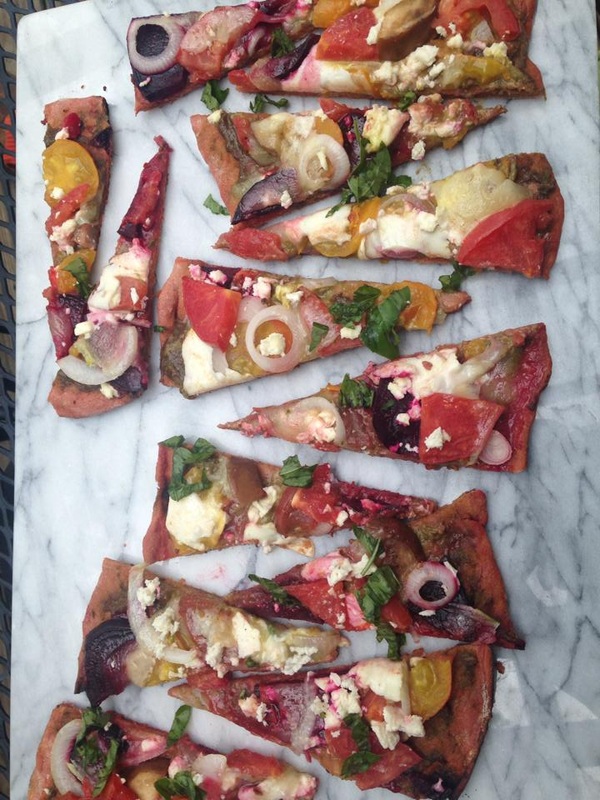
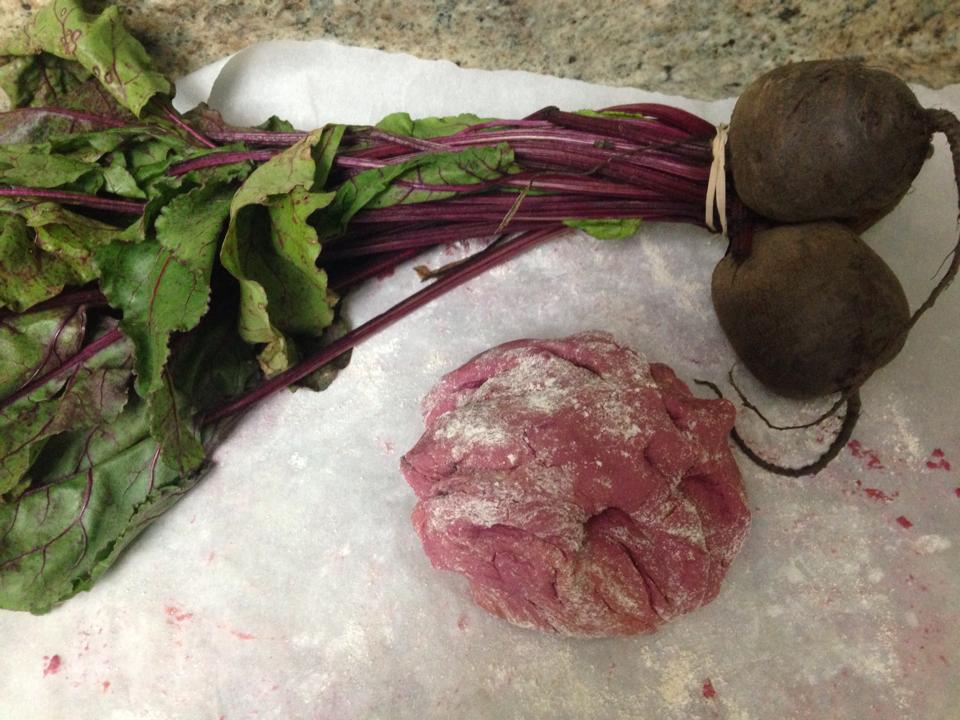
Now in my humble opinion, generally when someone tells me that they hate a vegetable, they've probably not had that vegetable properly prepared. The beet, it turns out, is often tragically over-boiled. This is not the way to prepare beets my friends! A good roasting is all you really need to turn these jewel-toned beauties into showstoppers. Take for example, the following beet pizza recipe. With roasted beets worked into the dough to create a vibrant hue, a pesto sauce of beet greens, and fresh veggies layered on top, it's almost too pretty to eat. Almost. I served this gem of a pizza at a BBQ party of all places and every last piece was eaten. My Dad enjoyed two slices. Maybe we should rename this the "beet-converter" pizza? Enjoy!
Picture
Beet Crust Pizza recipe (adapted from Baker's Royale)

Crust (makes two 12 inch crust)

  • 1 cup lukewarm water
  • 2 teaspoon active-dry
  • 17 ounces (3 1/2 cups) unbleached all-purpose flour or whole wheat pastry flour
  • 1 1/2 teaspoons kosher salt
  • 2 tablespoons honey
  • ¾ cup pureed beets (about 2 large beets, roasted and pureed with a bit of water)


Beet Green and Basil Pesto: 

  • 2 cups packed fresh basil leaves
  • 1 cup beet greens
  • 2 cloves garlic
  • 1/4 cup pine nuts (or walnuts)
  • 1/2 cup extra-virgin olive oil, divided
  • 1/4 cup lemon juice
  • Kosher salt and freshly ground black pepper, to taste
  • 1/2 cup freshly grated Pecorino cheese

Topping (any veggies will work, although for veggies that require long cooking times, you will want to pre-cook or roast them in some way as they will not be spending much time in the pizza oven)

  • Goat cheese
  • 10-12 stalks of asparagus, trimmed, blanched and then tossed in 1 tablespoon of olive oil and ¼ teaspoon of salt and pepper
  • 1 roasted beet, sliced 
  • 4 oz. mini heirloom tomatoes, halved
  • 1 small purple onion sliced
  • 1 handful of watercress (to add at the end)

Directions:
To make crust:

Preparation: Place pizza stone on lower middle rack. Heat oven to 500° F.
  1. Combine and stir water, honey,  and yeast in a mixing bowl until mixture bubbles. Add flour, salt, and pureed beets to yeast mixture and combine until dough just comes together.
  2. Turn the dough onto a lightly floured surface. Knead the dough until the flour is incorporated, about 5 minutes or until it is smooth and elastic. The dough should be moist and slightly tacky. (If it’s too sticky, add in more flour 1 tablespoon at a time until smooth). Form dough into a ball. Lightly oil a bowl and place dough in, turning once to coat dough with olive oil. Cover with plastic wrap and set aside in a warm area to double in size, about 1 ½ to 2 hours. Once doubled evenly divide dough in half and refrigerate one half for another time or double the topping recipe to make two 12 inch pizzas.
  3. Lightly grease a sheet of parchment paper with olive oil. Transfer one ball of dough to parchment and stretch it out by hand as much as possible. Lightly brush olive oil on another piece of parchment paper and place it on top of hand-flattened dough. Use a rolling pin and work from the middle of the dough outward to flatten dough to ¼ inch thickness. Peel off top parchment paper.
Note: Dough can be made ahead of time and refrigerated for up to three days.

Assembly:
  1. Blend pesto ingredients in a food processor until smooth. 
  2. Evenly spread pesto on the crust with an offset spatula or the back of a spoon, leaving ½ inch border. Top with 3 oz. goat cheese on top and layer with asparagus, soft boiled egg slices, mini heirloom tomatoes and remaining 1 oz .of goat cheese.
  3. Slide the pizza (with the parchment underneath) on to the hot pizza stone. Bake for 3-5 minutes until pizza crust starts to slightly brown. Rotate the pizza once and remove parchment, continue to bake for another 3 minutes.  Remove from oven.  Optional: Garnish and with watercress, or any choice of greens you prefer.  Slice and serve.
Picture
1 Comment

Farm Fresh Meatballs

4/30/2014

0 Comments

 
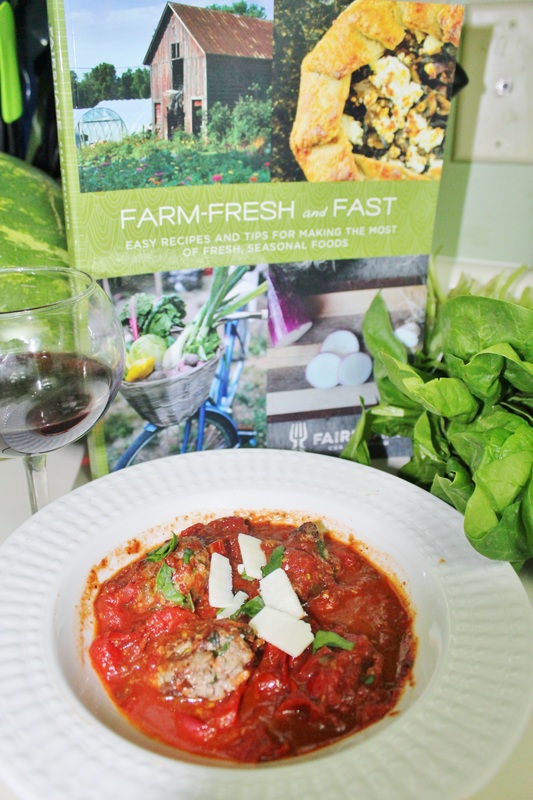
Spring has Sprung! And hopefully too, so will your gardens. This year's first spinach and asparagus should be coming up fast, and Farmers' Markets all over the state are starting up again for the season.  You're going to need some new recipes to go along with all those new veggies you'll be stockpiling, though, and I've got you covered. Take a look at these "Farm Fresh Meatballs." Loaded with hidden spinach, carrots, and zucchini, these little beauties are perfect for sneaky moms (or dads) and all those who fear bikini season. 
Picture
Farm-Fresh Meatballs
from "Farm Fresh and Fast" cookbook. 

Ingredients
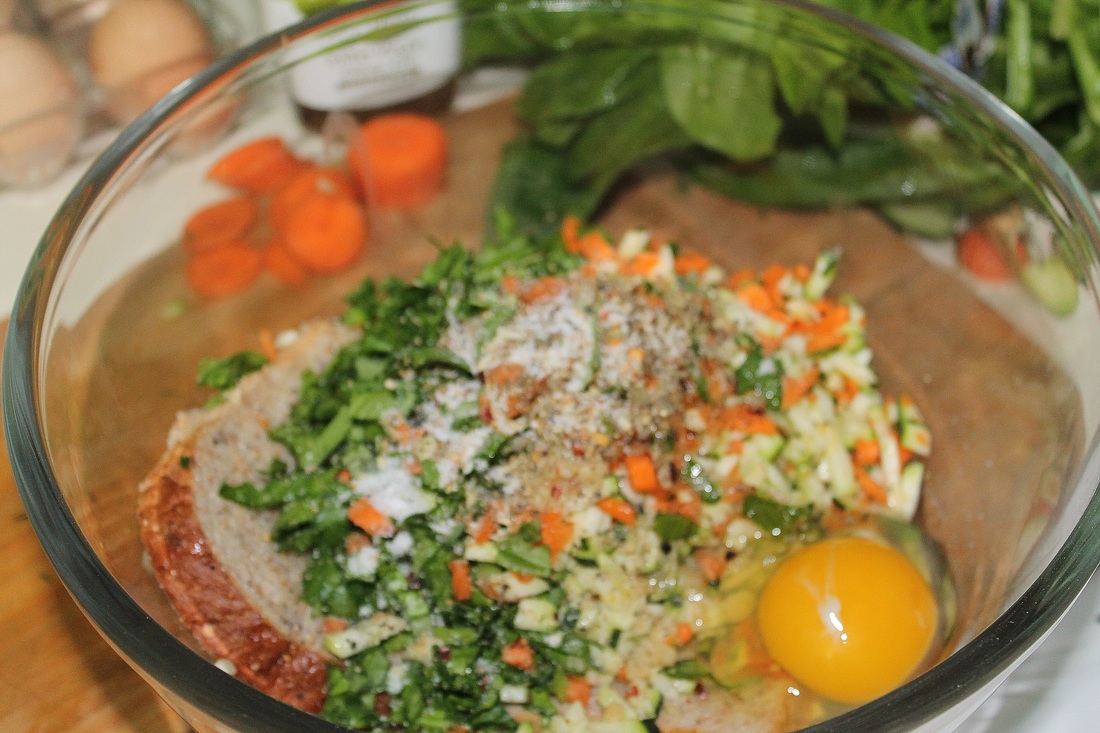
2 slices bread, toasted and diced into 1/4-inch cubes (Great way to use up stale bread!)
Milk to cover the bread (about 1/4 cup give or take)
1 lb ground chicken or beef
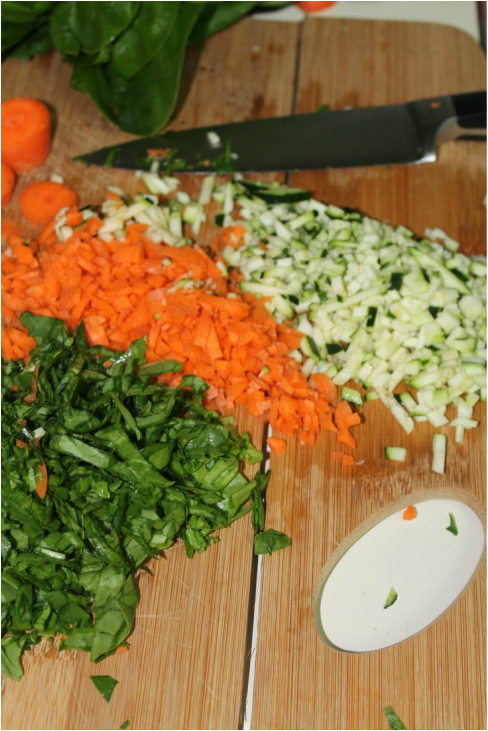
1/3 cup grated zucchini
1/3 cup grated carrot
3 Tbsp grated parmesan, asiago, or romano cheese
1 large egg, lightly beaten
1/2 cup finely chopped spinach
1 Tbsp minced fresh basil (or a half Tbsp dried)
2 cloves minced garlic
1 teaspoon salt
1 teaspoon ground black pepper
1 Tbsp olive oil 
Picture
Picture
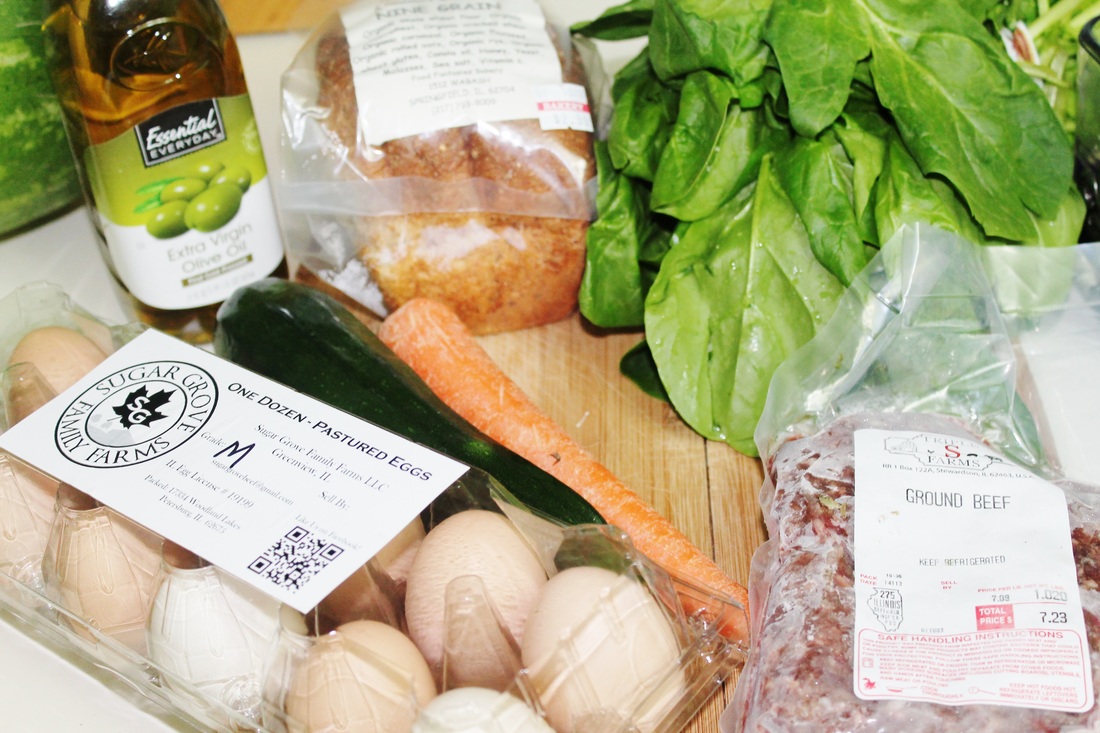
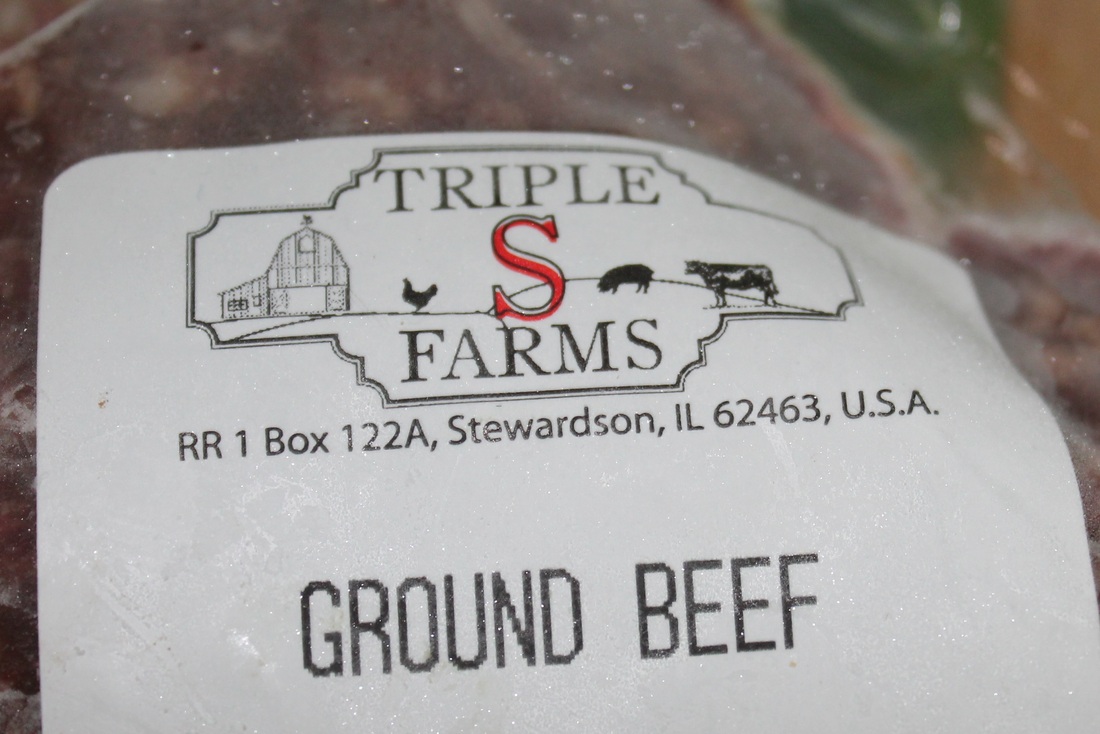
Buy Local when you can! I got my meat from the happy cows at Triple S Farm. 
Picture
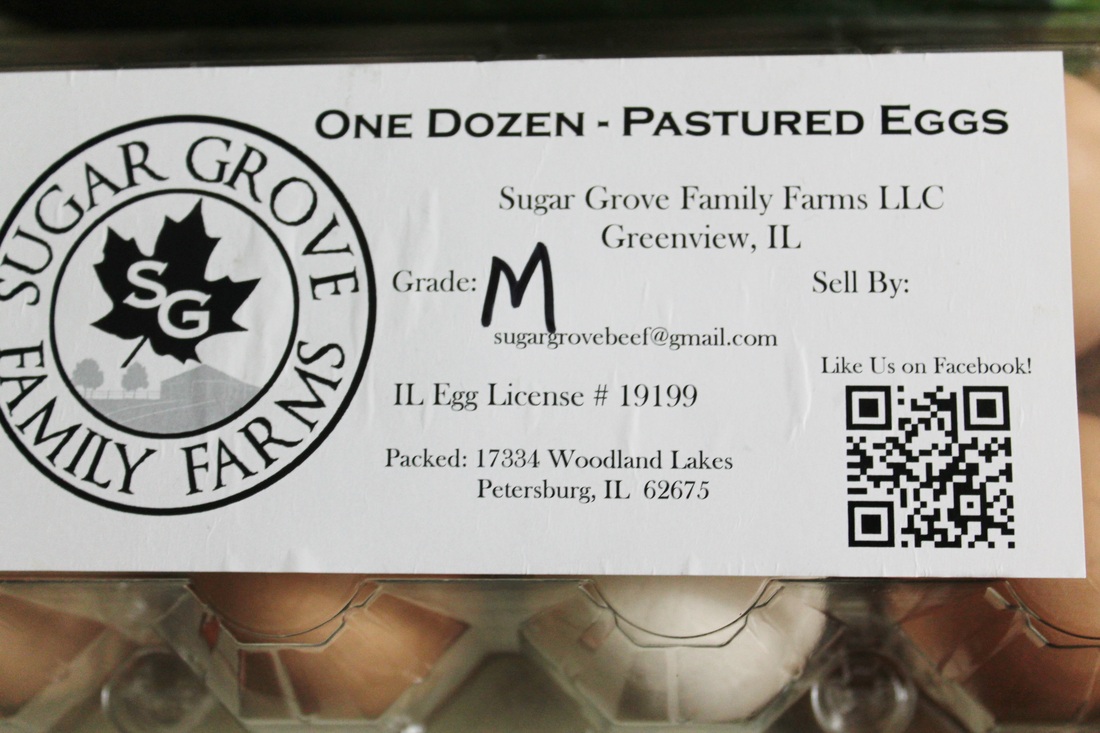
And my beautiful brown eggs were a gift from the very kind Chase Sanert of Sugar Grove Family Farms.
Picture
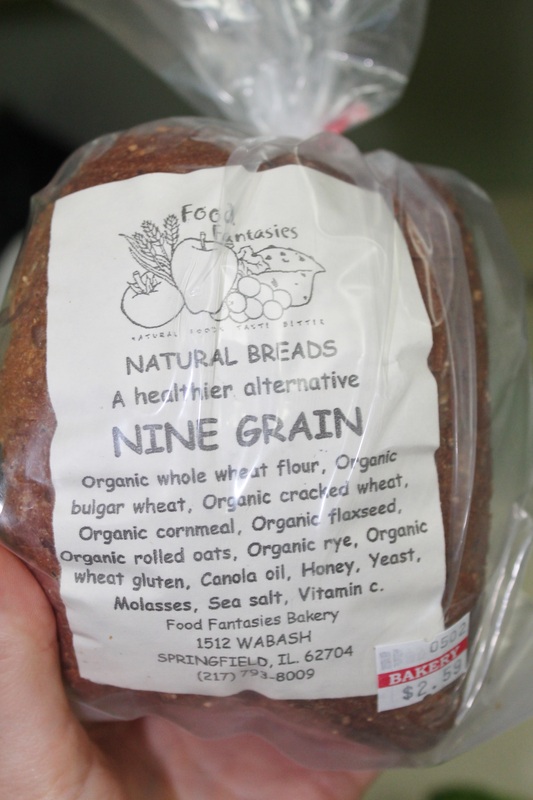
This deliciously chewey bread was baked at Food Fantasies in Springfield. 
Process
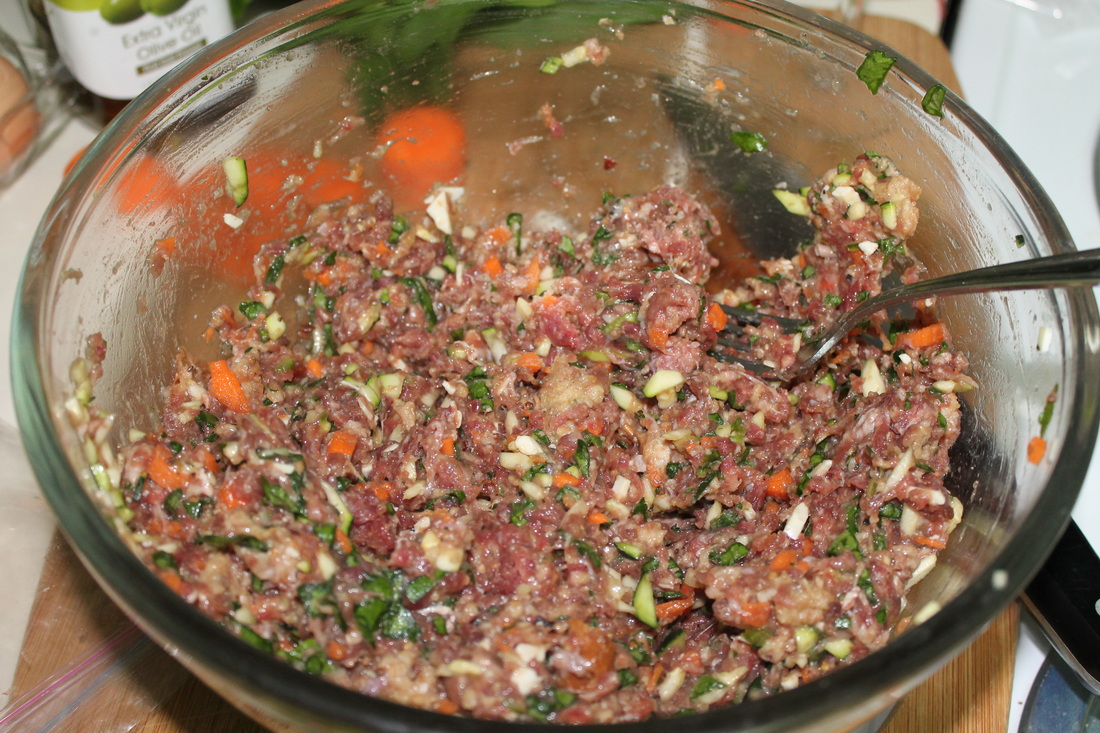
Place the bread in a large bowl and cover with milk. Add the meat and the rest of the ingredients (except the oil). Mix until thoroughly combined. Shape the mixture into 24 meatballs (about 1 rounded tablespoon per meatball). 
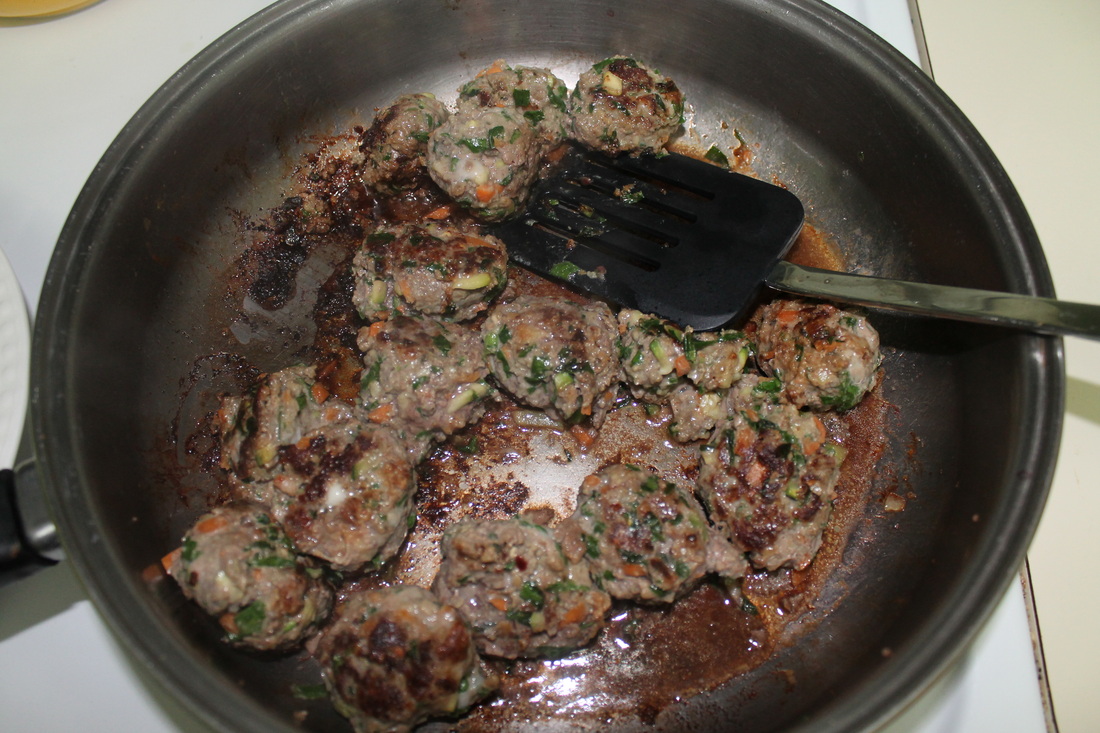
Heat the oil in a large heave skillet over medium heat. Saute the meatballs until brown and cooked through, turning often, for 12-15 minutes. 
Picture
Picture
Picture
Picture
To serve, simply toss your favorite pasta sauce into the pan with the cooked meatballs until it is heated through. Pour the mixture over pasta or layer onto a nice toasted sub bun for a meatball sammie. Don't forget to top with a little extra fresh grated cheese and basil. Freeze the leftovers (if you can contain yourself and save any) to make awesome healthy freezer meals that you can eat all week long. 

Illinois Stewardship Alliance (and me!) will be selling the "Farm Fresh and Fast" cook book at various Farmer's Markets throughout the season, starting May 3rd in Urbana. Check the ISA calendar to see where we'll be next, and come see me!
0 Comments

Soybean Crostini with Spring Asparagus

3/28/2014

0 Comments

 
I stumbled upon a package of dried soybeans in our office yesterday. Actually, I didn't stumble upon them; they've been sitting on top of our office mini-fridge, staring me in the face every time I've grabbed my lunch ever since I started my job at the Illinois Stewardship Alliance three months ago.  What I mean to say is, I really didn't take notice of them. 
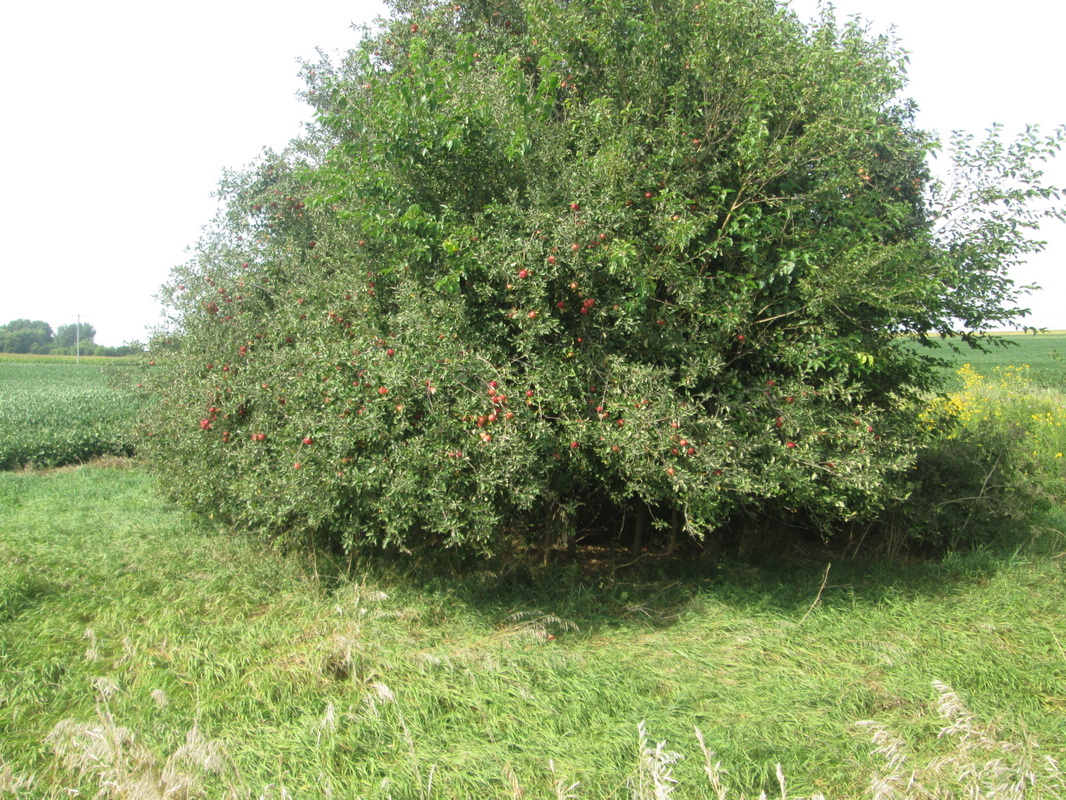
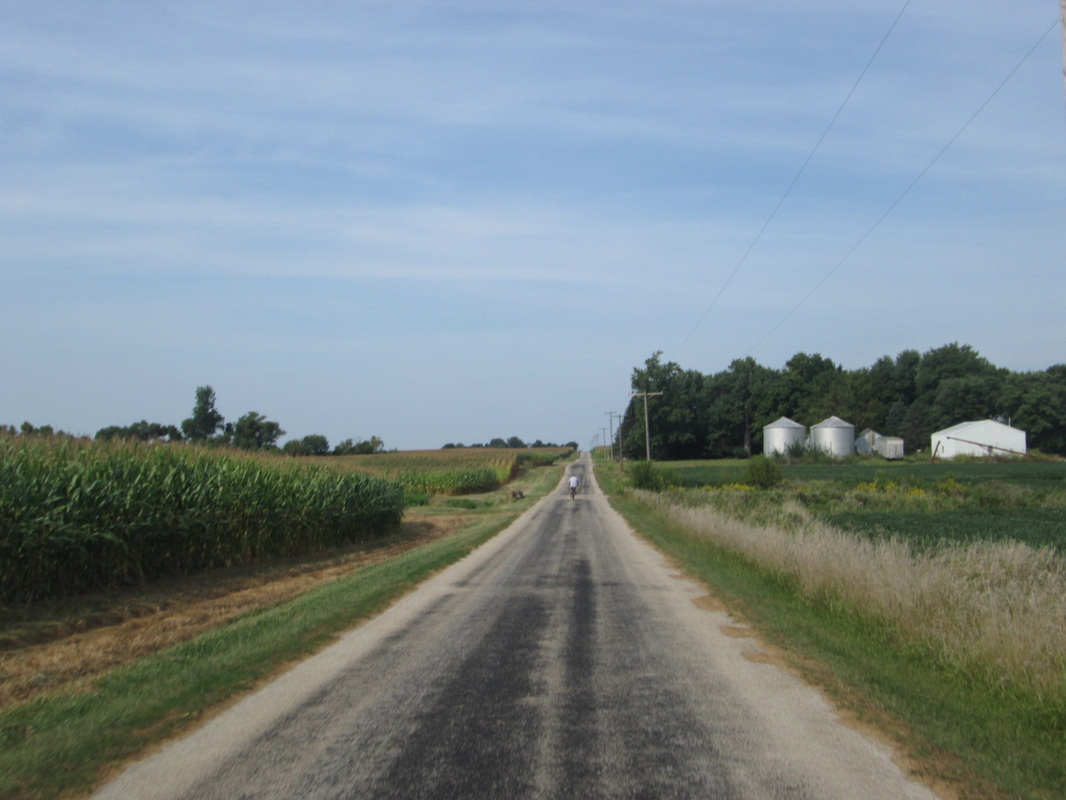
I mean who really notices soybeans anymore? I see those almost every day in the spring, summer, and fall. There are hundreds and hundreds of acres of them all across rural Illinois. So it's not hard to imagine that a little package of them would escape my attention.
But as I was pulling my soggy salad out of the fridge yesterday, dreaming of sunshine and fresh greens, I realized, it's not spring, summer, or fall. It's still winter here. And what the heck do we have packages of dried soybeans sitting on top of the fridge for anyways? 
A closer look revealed that these soybeans are for eating. Have you ever eaten a dried soybean?
Me neither.
We live in a land literally dominated by soybeans, and I've never even eaten one; couldn't even point to a single recipe that uses dried soybeans. What the heck?
So I started doing some research on the internet to see if I could find some dried soybean recipes there. I found a smattering of Indian and Korean recipes, but nothing with familiar ingredients. How can Illinois not have any soybean recipes, folks? 
So I'm making up my own. 

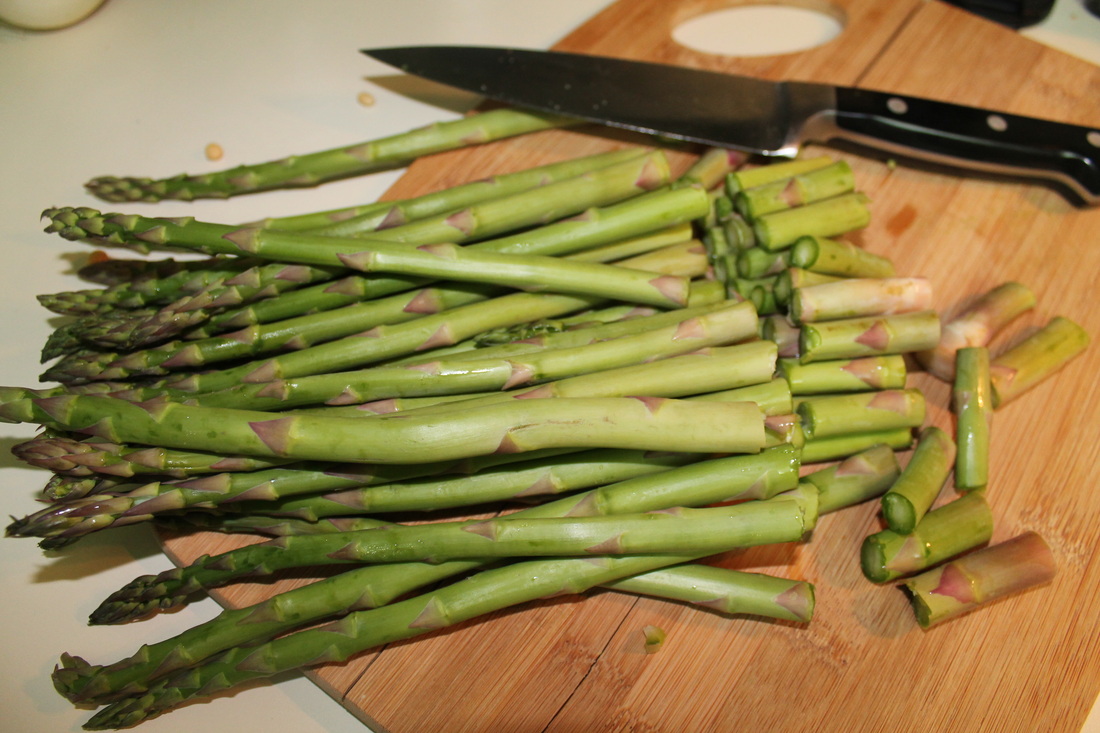
I wanted it to be a recipe with seasonal, local ingredients, so I also picked up a loaf of locally made bread from the Incredibly Delicious bakery here in town and a bunch of asparagus. The asparagus weren't locally grown, but they should start popping up in your garden by late April, and there's nothing more local than that! (And if you don't have a garden, steal some from your neighbor. Kidding! Ask politely. And then go plant your own garden, because seriously, you should have a garden.)

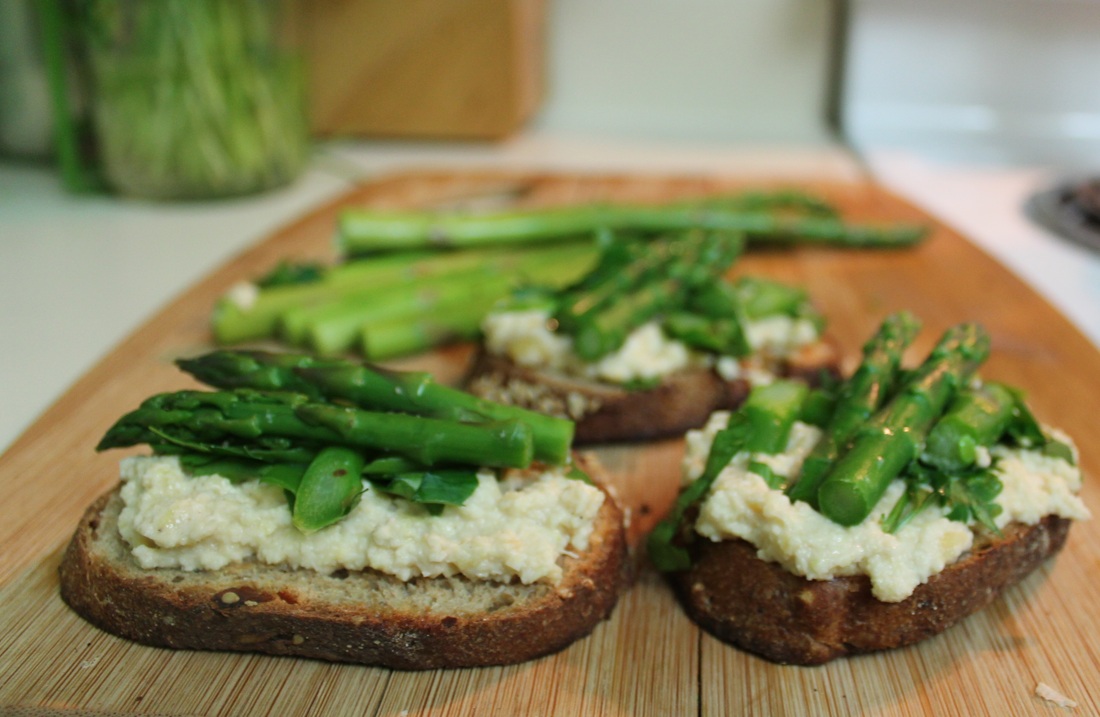
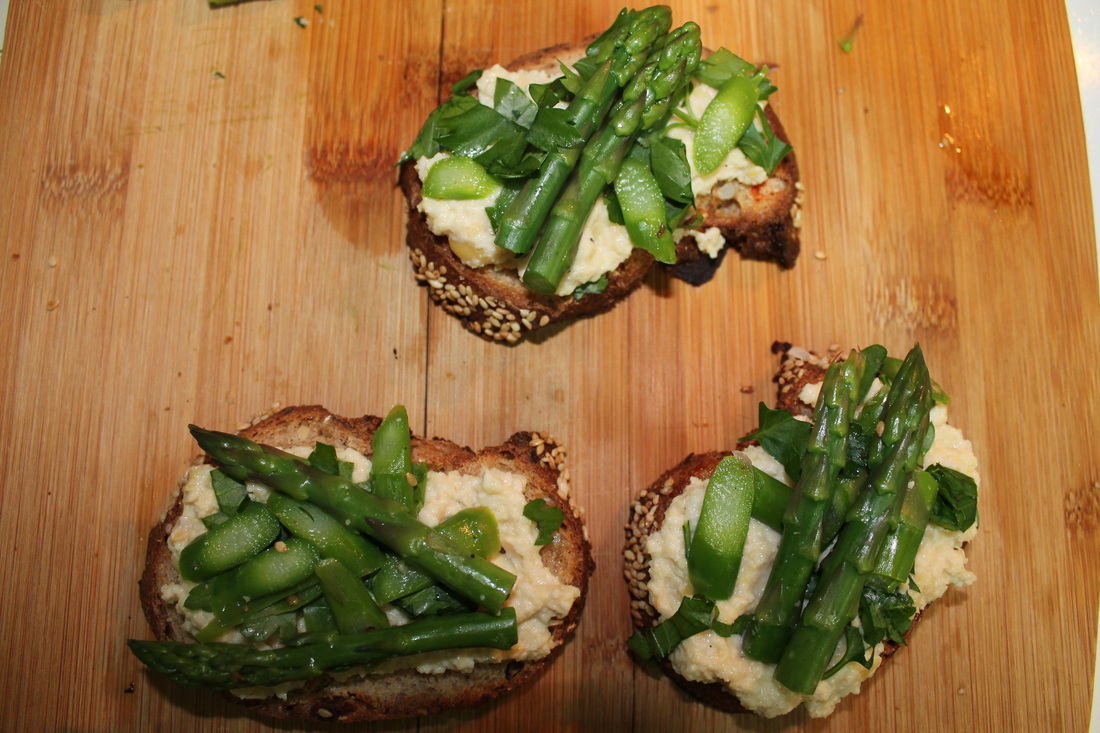
And from those ingredients, the Soybean Crostini with Spring Asparagus recipe was born! Just in time to impress your family with on Easter. 

I'm going to be honest that I use the term "recipe" loosely. I'm not really a recipe kind of chica. I'm more of a tosser and taster...you know...the kind of person that keeps adding stuff in until it tastes just right? Think of the recipe below as more of a guideline- you can adjust the measurements as needed. 
Now say this in your best hippy voice: "Don't tie your taste buds down to a recipe, man, let them run free"

Alright, here we go:
 
Soybean Crostini with Spring Asparagus
Picture
1 1/2 cups dried soybeans
1 small white onion
1 tablespoon minced garlic (2-3 cloves)
1/4 cup lemon juice and zest of 1 lemon
1 tablespoon honey
1/4- 1/2 cup olive oil
Salt and pepper to taste
Chopped fresh parsley
1 bunch of asparagus 
1 loaf of whole grain bread (or any crunchy French bread will do)

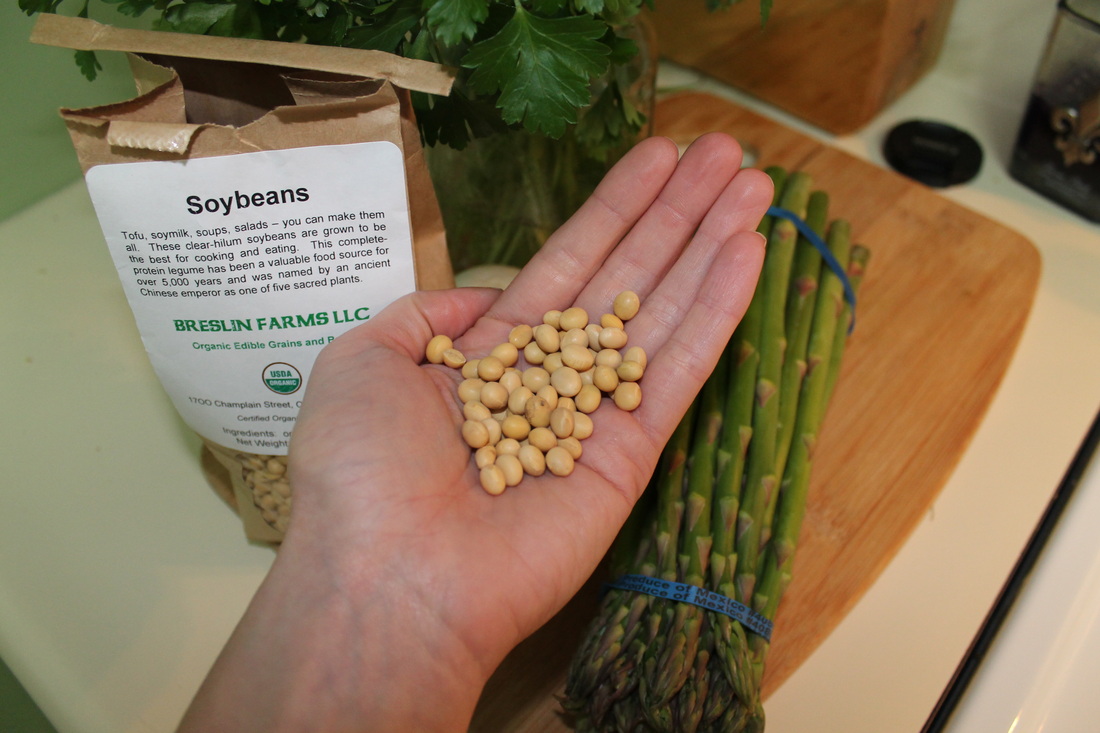
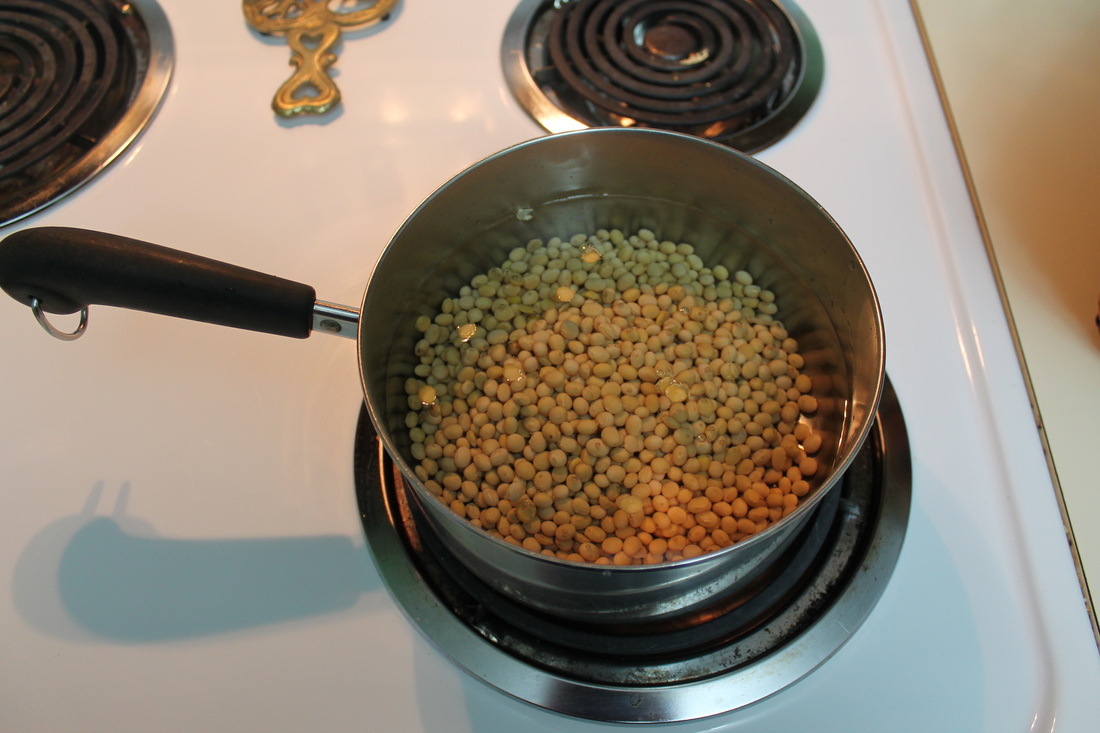
1.  Prepare your dried beans by soaking over night. But ain't nobody got time for that...so you can also follow the "power soak" method which I highly recommend. 
Picture
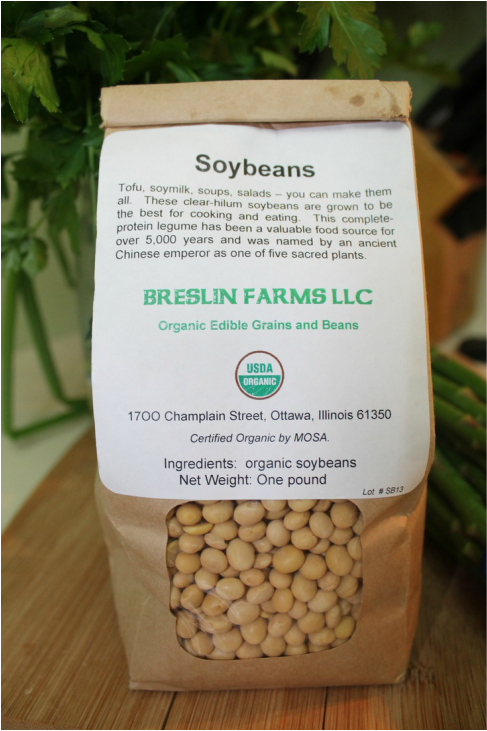
My soybeans are from Breslin Farms, a father-daughter team from Ottawa, Illinois. You can find your own soybeans by visiting their website. 
Picture
2. Drain and rinse your beans and then throw them back into the pot with enough water to cover them. Simmer the beans lightly on medium heat for about an hour, stirring occasionally and adding more water if needed. 
Picture
3. While the beans are cooking, prepare your asparagus by trimming off the bottom inch and tossing them into a shallow pan of boiling water for about 3 minutes. Once the asparagus are tender, take them out and immediately put them into an ice bath to stop the cooking process and lock in that crisp green color (I usually just rinse them in cold water in my strainer to avoid the whole messy ice bath scenario). 
Picture
4. Finely chop your garlic and onion, and zest and squeeze your lemon. Please do use a fresh lemon because it makes a world of difference. 
5. Drain your beans and add them to a food processor along with the garlic, onion, lemon, honey, olive oil, salt and pepper. Add more olive oil or water to bring the mix to the desired consistency. 
6. Toast your bread under the broiler with a drizzle of olive oil. This will only take a couple of minutes so keep an eye on it!
Picture
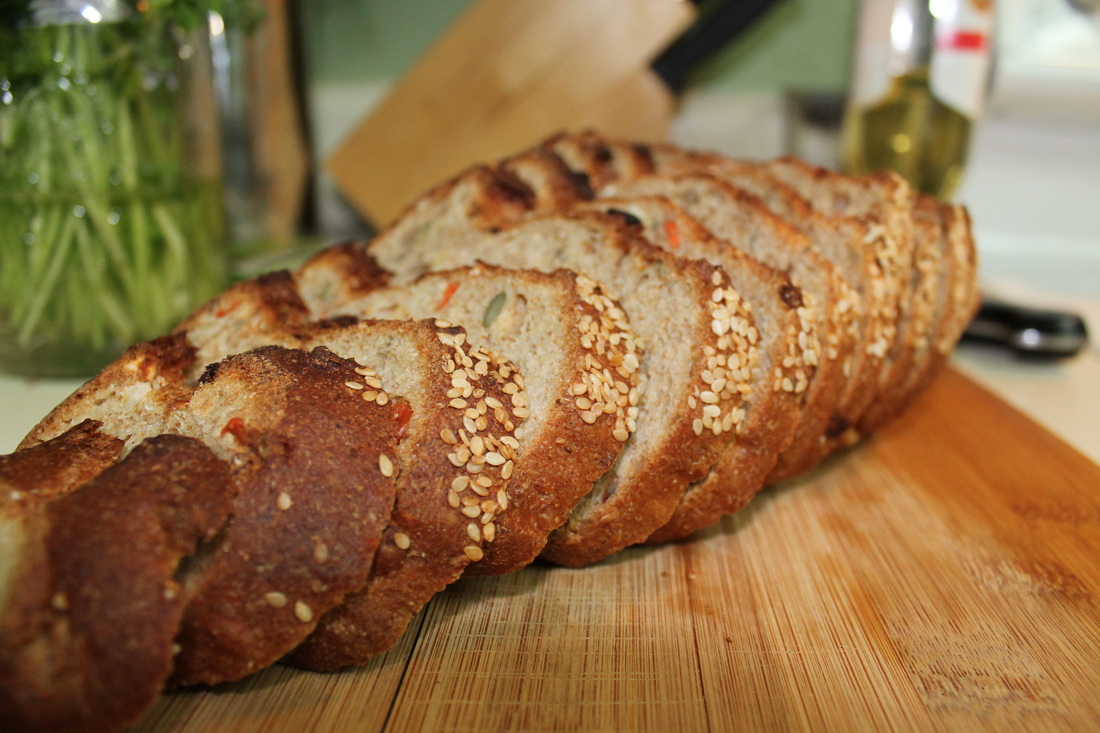
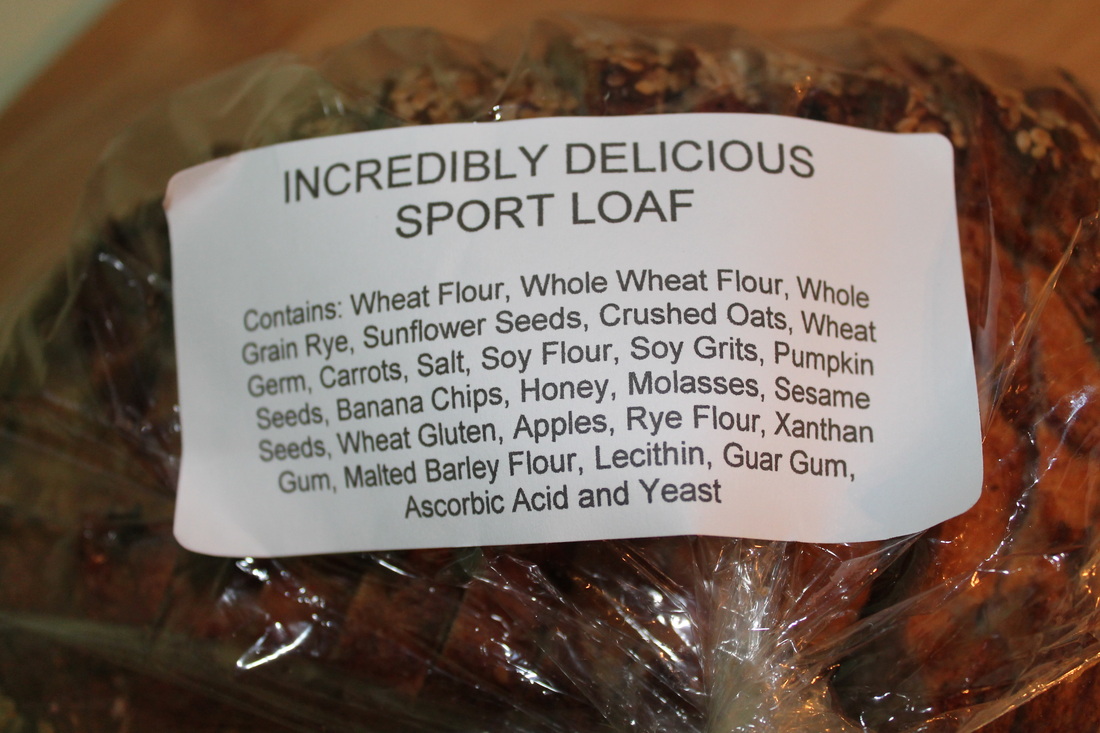
I bought my bread from the new Market on Koke Mill, but it was made by the Incredibly Delicious Bakery here in Springfield as well. 
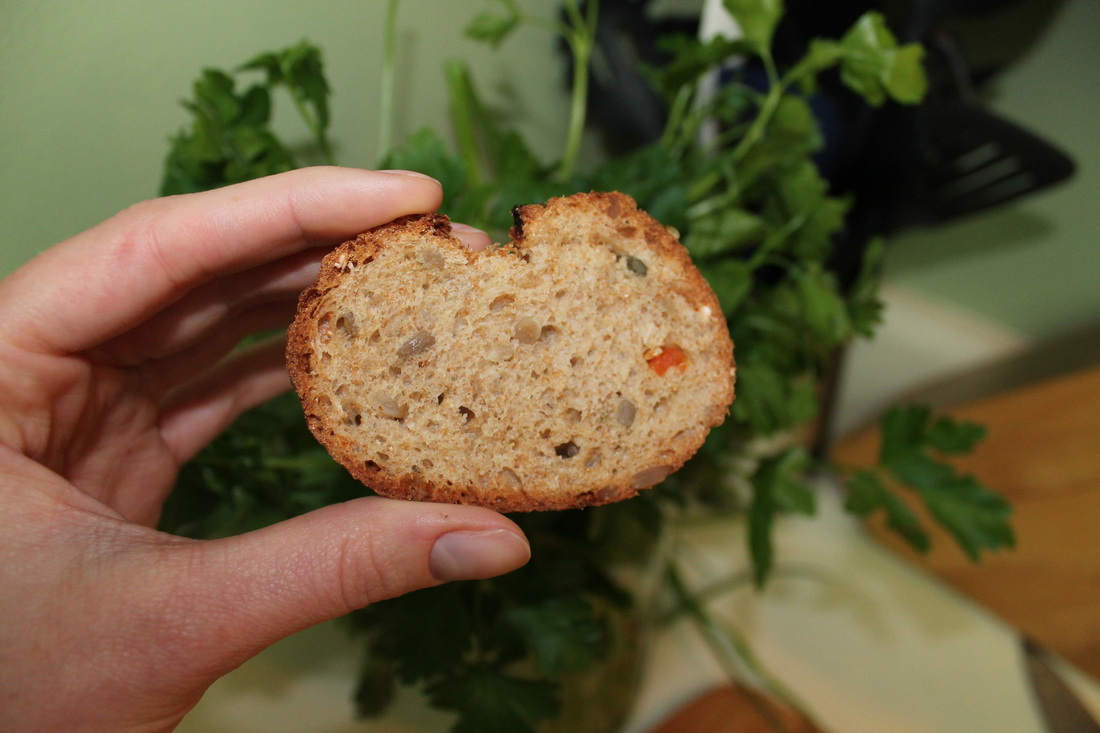
I'm a huge fan of hearty wheat breads and LOVED this "Sport Loaf" with seeds and carrots

Picture
Picture
Just look at all the goodness inside that bread
7. Roughly chop your parsley and trim your asparagus into bite size pieces. Leave the tip in tact though because it looks pretty and makes a nice presentation. 
8. Slather a generous portion of your soybean spread onto the toast, top with parsley and asparagus and enjoy!
Picture
Of course there are a bajillion variations you could create for this recipe. Think of all the toppings! Tomatoes, bacon. and feta, or grilled zucchinis and sausage, or thin sliced radishes, edamame, and a sprinkling of parmesan. Mix and match and let those imaginations run wild! And don't let it stop there. See if you can't come up with your own unique recipe for Illinois soybeans. 
0 Comments

Pasta alla Carbonara

1/31/2014

3 Comments

 
Bbbbrrrrrr. 
Temperatures in the teens and I do not get along. I'm the kind of girl that wears ballet flats without socks when there's a foot of snow on the ground just because I like to kick off my shoes and hop around barefoot as soon as I get indoors. Sensible? No. But what can I say, I was made for the summer and sunshine and flip flops. My feet need to be free! Shoe shopping, to this day, is still my least favorite thing to do in the world. Right in front of shopping for pants. 
But as I was saying. It's cold. And I don't dress appropriately. So when I was making dinner last night, I wanted something that was going to warm me right down to my toes, and something that wouldn't require a trip out in the cold to get groceries. Sitting in my fridge were some locally raised eggs and bacon which I purchased at Food Fantasies last week, and there's only one thing you can do with eggs and bacon.
Make breakfast.
But I didn't do that.
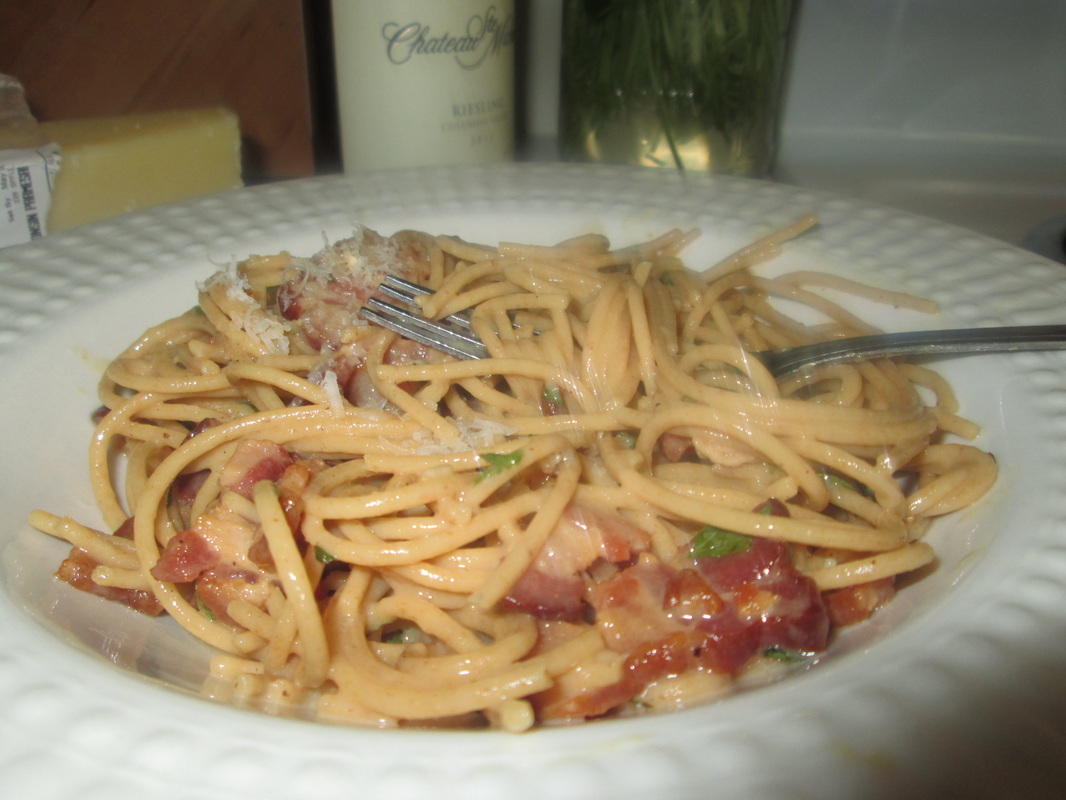
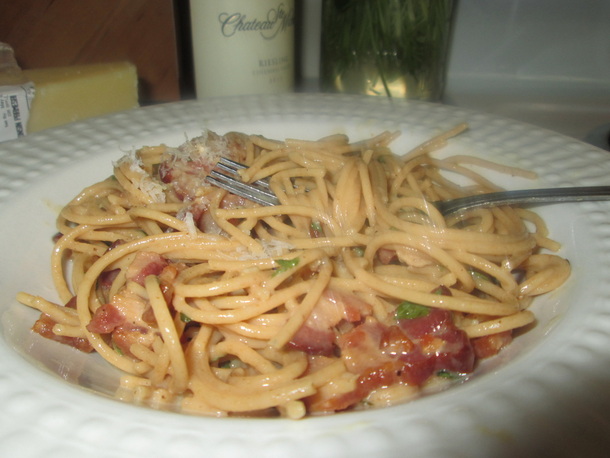
I did the only second thing that you can and must do at some point in your life with eggs and bacon, make Pasta alla Carbonara. Being snowed in isn't such a bad thing if you get to wrap yourself in a cozy sweater and tuck into this steamy little bowl of goodness. 
Picture
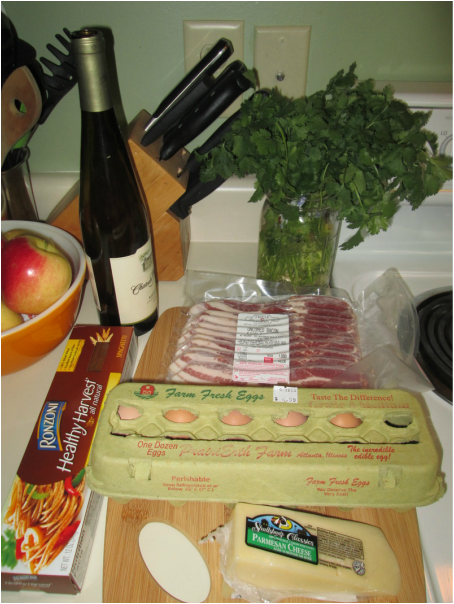
The most brilliant part of pasta alla carbonara is that the ingredient list is short and you can whip it up in less than 30 minutes. 

Ingredients
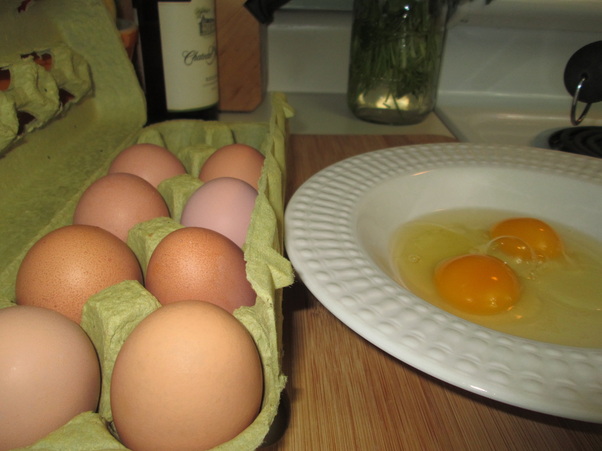
  • 2 eggs (Mine were from  PrairiErth  Farms)
  • 3 ounces parmesan cheese
  • 1/2 cup loosely packed flat-leaf parsley leaves (or a tablespoon of dried)
  • 1/4 teaspoon freshly ground black pepper, plus more for garnish
  • 1/4 lb. thick cut bacon  (Mine was from Triple S Farms)
  • 2 cloves garlic
  • 1 teaspoon olive oil
  • 1/2 cup dry white wine (or chicken stock, or heavy whipping cream)
  • 1 tablespoon salt
  • 1 lb whole wheat spaghetti (or your noodle of choice)

  1. Crack eggs into a large bowl and beat lightly. Finely shred or grate cheese, add 1/2 cup to eggs, and set the rest aside. Finely chop fresh parsley and add to eggs. Add pepper and whisk to combine well. Set aside.
  2. Cut bacon into 1/4-in.-thick slices. Peel and chop garlic and set aside. Heat olive oil in a small frying pan over medium-high heat. Add bacon. While bacon is cooking put a large pot of water on a second burner an bring to a boil.
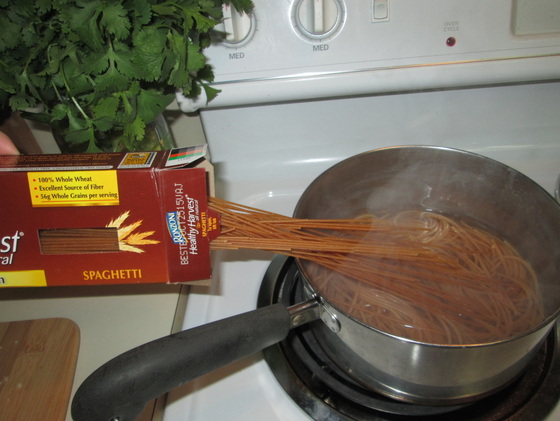
  3. Once the water is boiling add in the salt and pasta noodles. Cook the pasta until it al dente (not quite done), which takes about 8 minutes or so. 
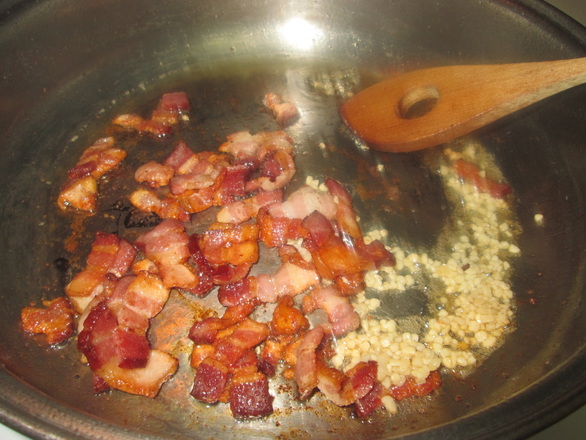
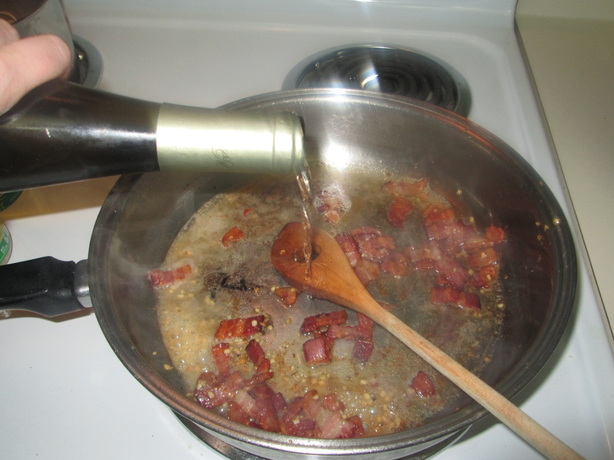
  4. Keep an eye on the bacon, stirring occasionally, until it is nice and toasty brown. Add garlic to the bacon and cook, stirring, until fragrant, about 1 minute. Drain off all but about 1 tablespoon of the bacon fat (or leave it in there if you want to be bad...but oh so good) Add wine and cook until liquid is reduced by about half. If you can find local white wine, even better! I used a reisling in my dish and loved the very subtle sweetness. Once it is reduced, remove from heat and set aside.
  5. Once the pasta is cooked, drain well and immediately pour pasta into bowl with egg mixture. Toss to thoroughly coat pasta with egg mixture (the heat from the pasta will partly cook the egg and melt the cheese). Pour bacon mixture on top of pasta and toss to combine thoroughly. Sprinkle with remaining cheese and pepper to taste. Serve immediately.

Picture
The key ingredients
Picture
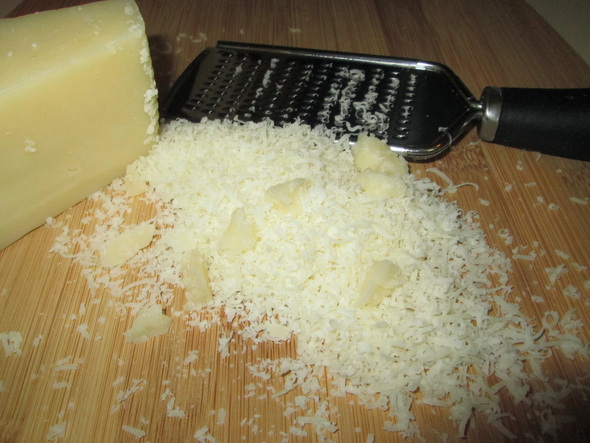
I couldn't get local parmesan, but I did find parmesan cheese from Wisconsin...so kinda local...and bonus, it was less expensive than the Italian version.
Picture
Farm fresh eggs from PrairiErth Farms.
Picture
Whole wheat pasta really works great in this dish as it can stand up to the bold flavors of the bacon and parmesan. And with 9 grams of protein per serving, your getting a lot of bang for you buck.
Picture
Little slices of heaven. I don't know what they're feeding those porkers, but that was the best bacon of my life.
Picture
Cooking with wine makes me feel fine :)
Picture
Voila! Perfection on a plate. 
The other wonderful thing about this recipe is that you can add in tons of variations. Throw in some fresh spinach with the bacon at the last minute or some frozen peas or green beans that you saved from your garden in the summer (you clever thing). Add a dash of red chili flakes to spice it up or substitute fresh basil leaves for the parsley. And there you have it, the perfect comfort food for a chilly evening. Dress it up by serving it with a green salad and a glass of wine and you've got an impressive dish for date night...Valentine's day is coming up ya know! Don't worry, I'm looking out for you ;)

Also don't leave yourself alone with this dish, it just might mysteriously disappear. And then you'll have to explain to your sister that you accidentally ate the half that you were saving for her. Just saying...it's that good. 

Note: The heat from the hot pasta partly cooks the eggs so it is important to use very fresh eggs. 
Note: This reecipe was adapted from MyRecipes
3 Comments

Apple Cider Adventures Part III

10/10/2013

2 Comments

 
I promised you apple cider, and by jo! you will have apple cider.
After my previous disheartening adventures with the apple cider press, it was back to the drawing board. So with renewed vigor, I recruited two things that I absolutely NEED in my life: 
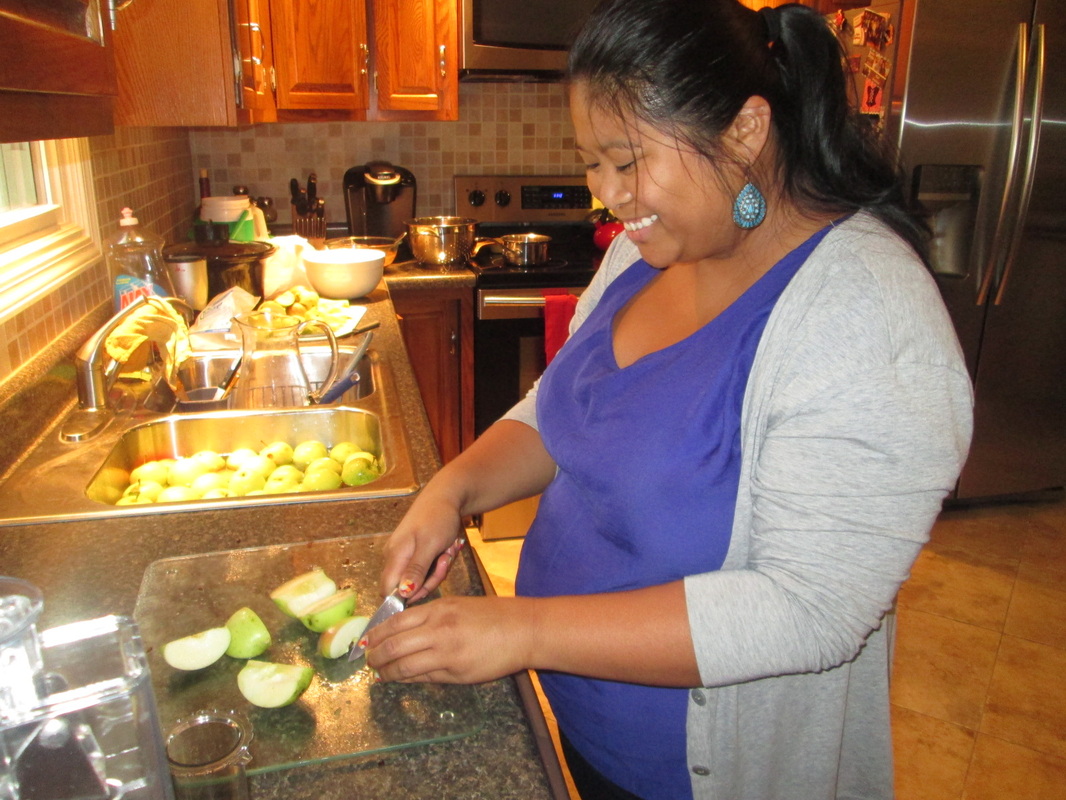
Michelle and a Food Processor.
Picture
Michelle because she's pretty to look at, obviously.
Picture
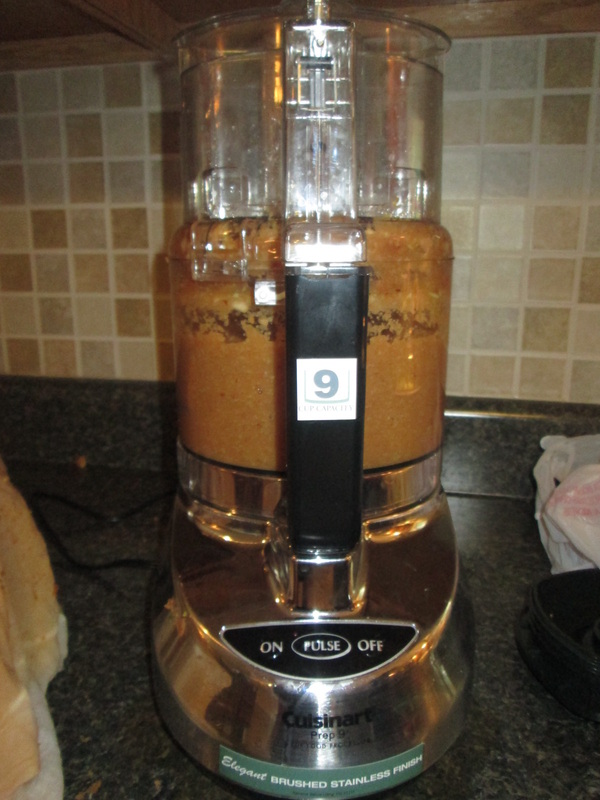
...and the food processor because it's magical!


The food processor isn't mine. It's my sister's. She owns nice things.
Quite frankly, I didn't even realize I needed a food processor in my life until I used hers. Michelle and I pretty much spent the entire day cooing over the food processor and planning future lives in which we have babies and husbands and all the time in the world to make homemade baby food and peanut butter and save our families loads of money with our food processing thriftiness (just imagine the gourmet meals we could whip up) and increase our life expectancies while saving the environment with our food processing savviness (buying organic local foods to use in our food processor instead of processed goods) and all the while wearing cute aprons and 1950's style dresses and being perfect housewives. 
Gah! See what a food processor can do to you?!  That thing should come with a warning label: Use at the risk of becoming domestic. 


But I'm skipping ahead of myself a little here, before you can start using the magical dream-inducing food processor, you've got to have a plan. 
Hard Apple Cider making is a bit of a science. Which is good for me because I love science.  I sifted through TONS of information on making cider. I mean TONS.  There is an exhaustive amount of material on the internet. But lucky for you, I'm going to break it down.  

1. Picking and Washing the Apples
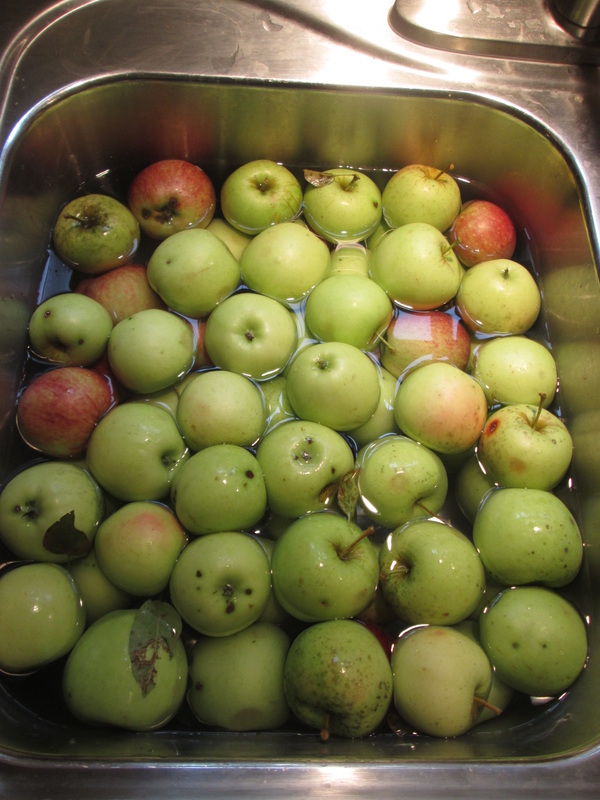
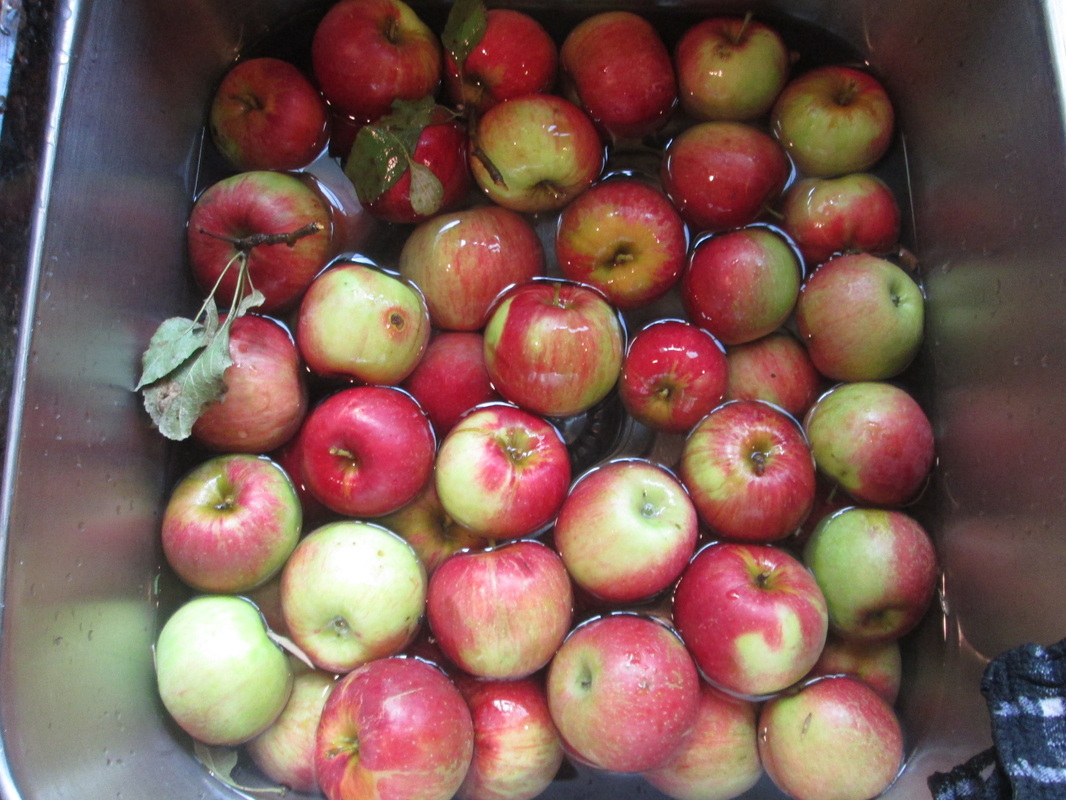
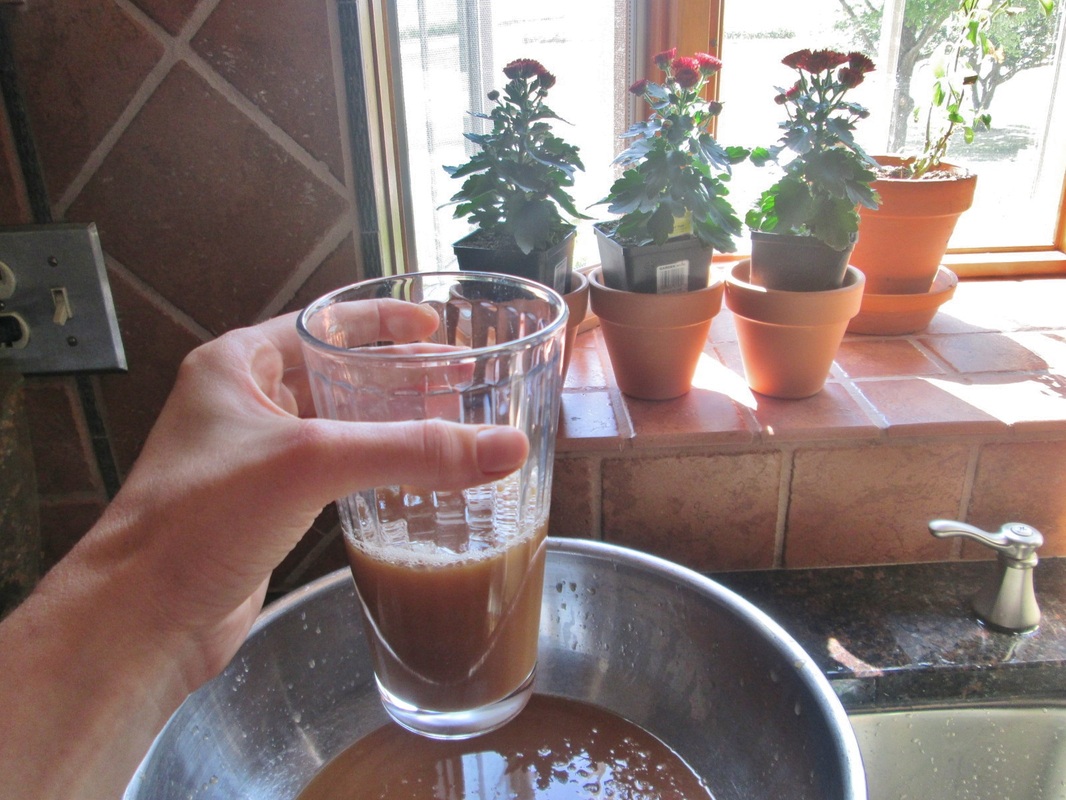
I picked 2 bushels (a bushel is about the size of a laundry basket), this will give you about 4-5 gallons of cider.  These should be washed in a solution of water and vinegar (I didn't measure this out, just filled the sink with water and dumped in what was probably about a cup of vinegar). The purpose of this is to remove any harmful residues on the apples (dirt, bugs, bacteria, pesticides). 

(Note: If you want to skip the whole cider making process because you don't have an awesome food processor, an awesome friend to help you out, or several free hours to play around with, simply buy cider from your local apple farm or grocery store. It can be pasteurized, but it should NOT include any chemical preservatives such as potassium sorbate. These will prevent the yeast from starting fermentation. No fermentation = No hard cider. )
Picture
Picture
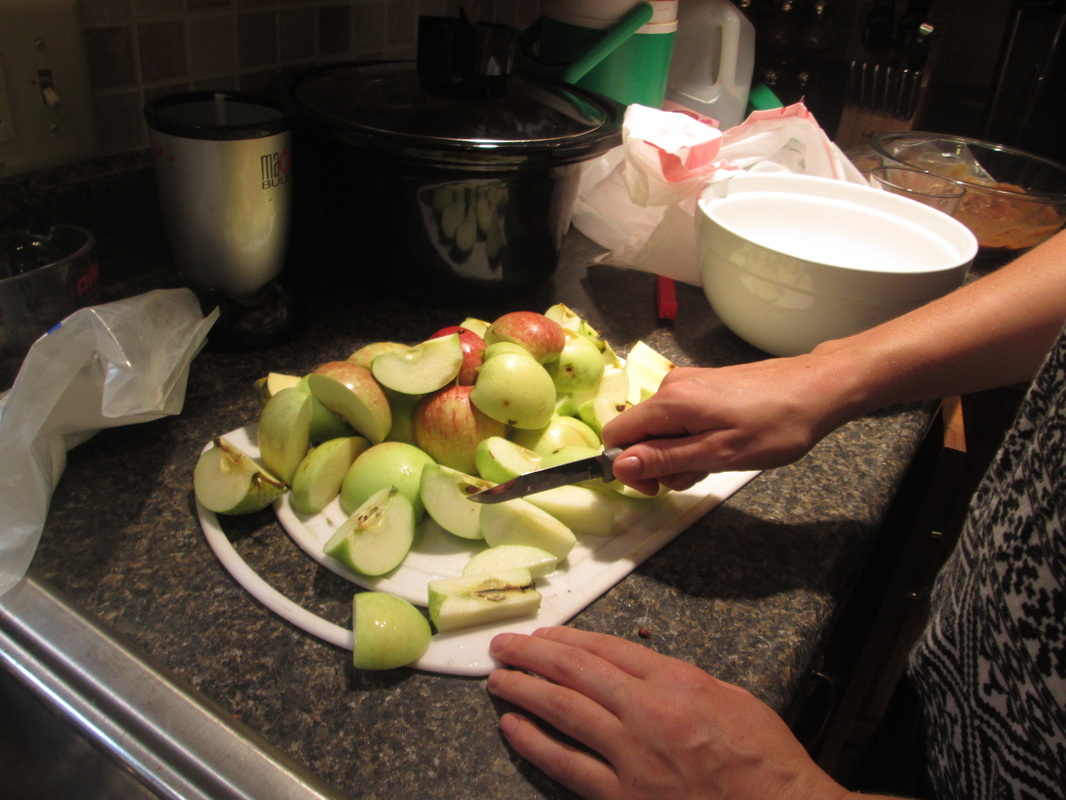
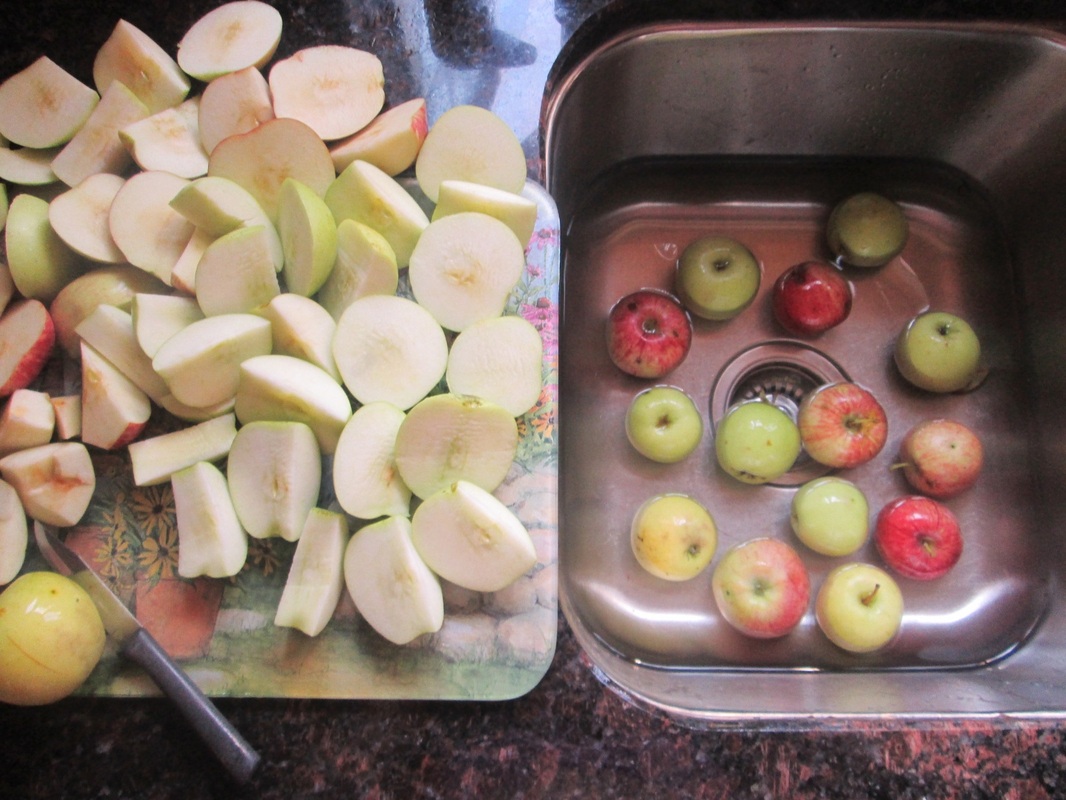
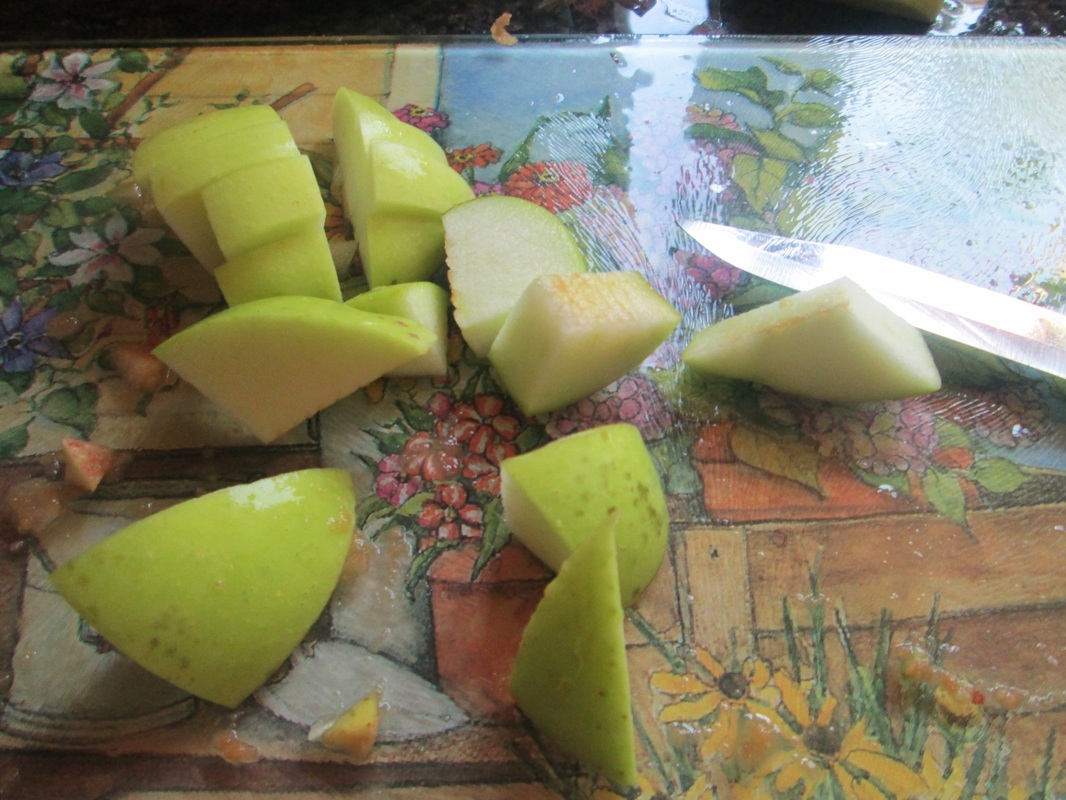
2. Quarter your apples and cut off any bad spots. (Don't worry about the seeds or core, you don't need to cut it out, the magical food processor will take care of those for you.)
Picture
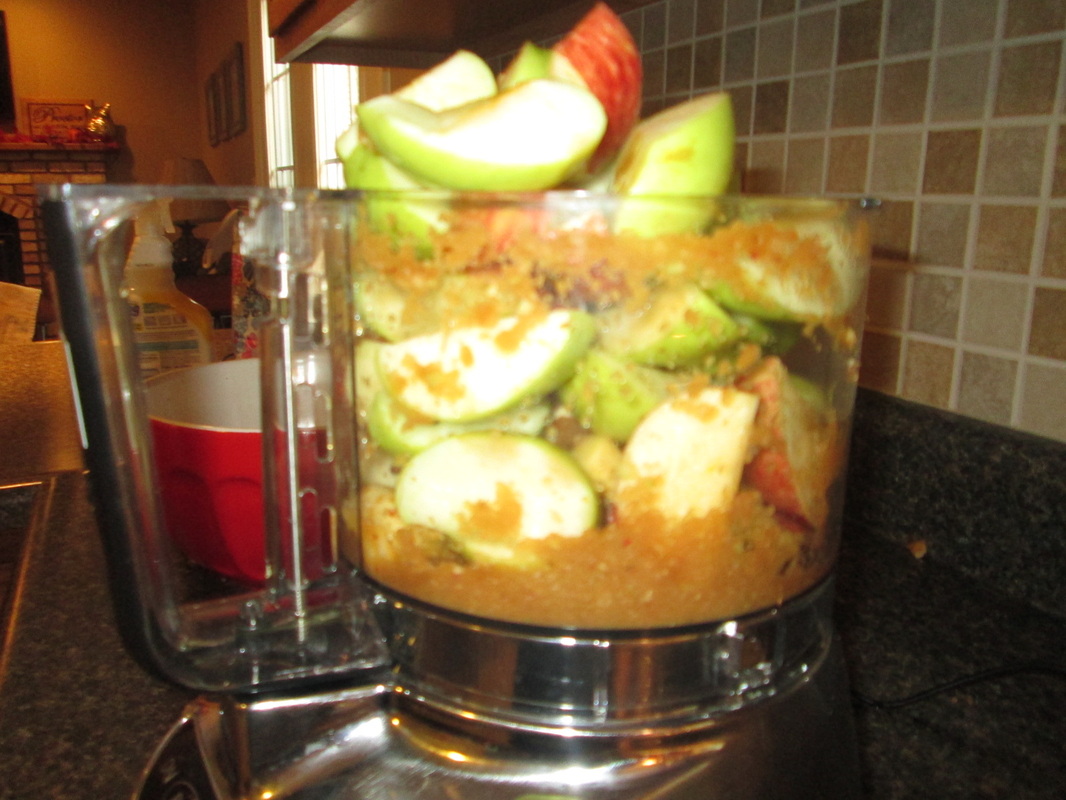
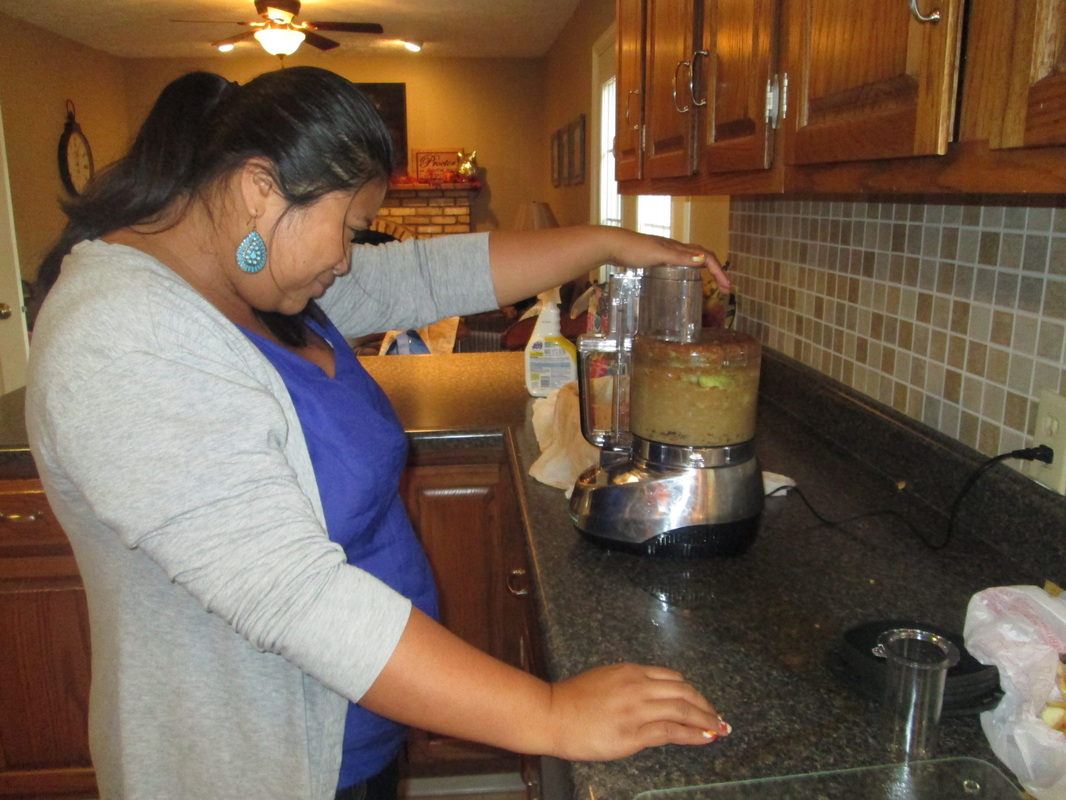
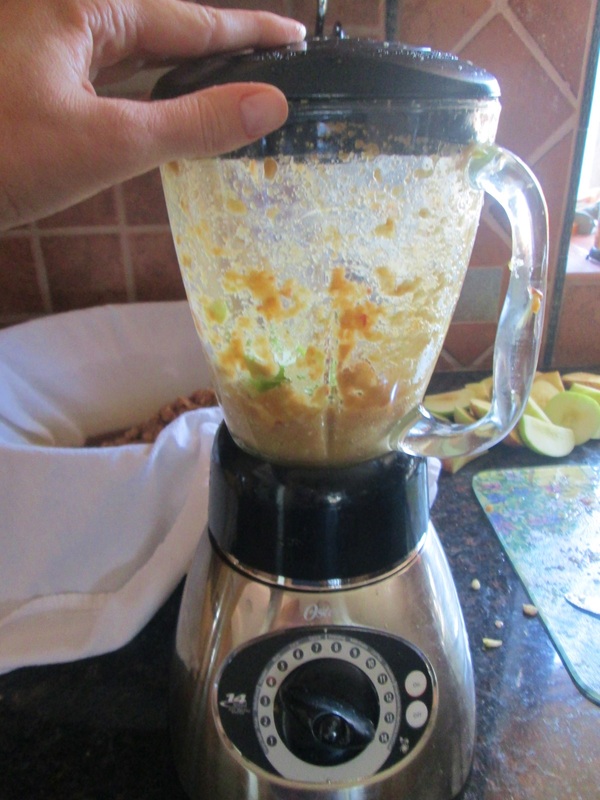
3. Stuff your apples into the food processor and process! (it should be the consistency of apple sauce when you are finished)
Picture
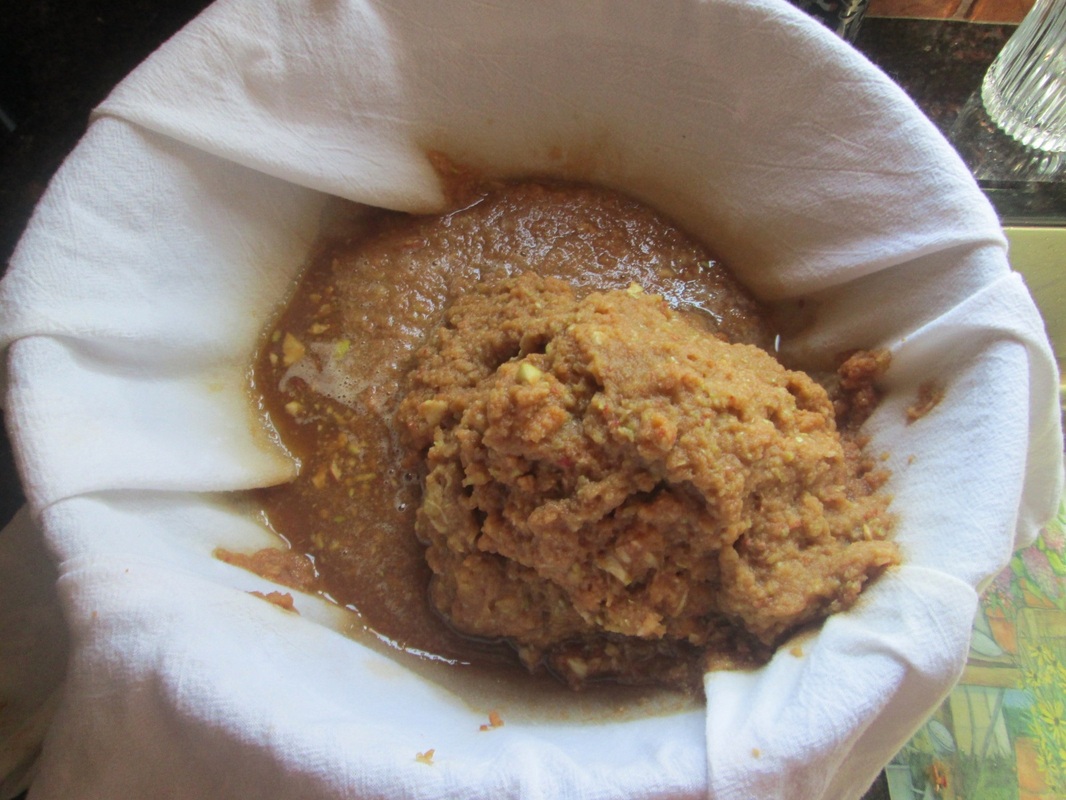
4. Now take a cheese cloth or bakers cloth and lay it over a bowl. Then dump in your freshly processed apple sauce. 
Picture
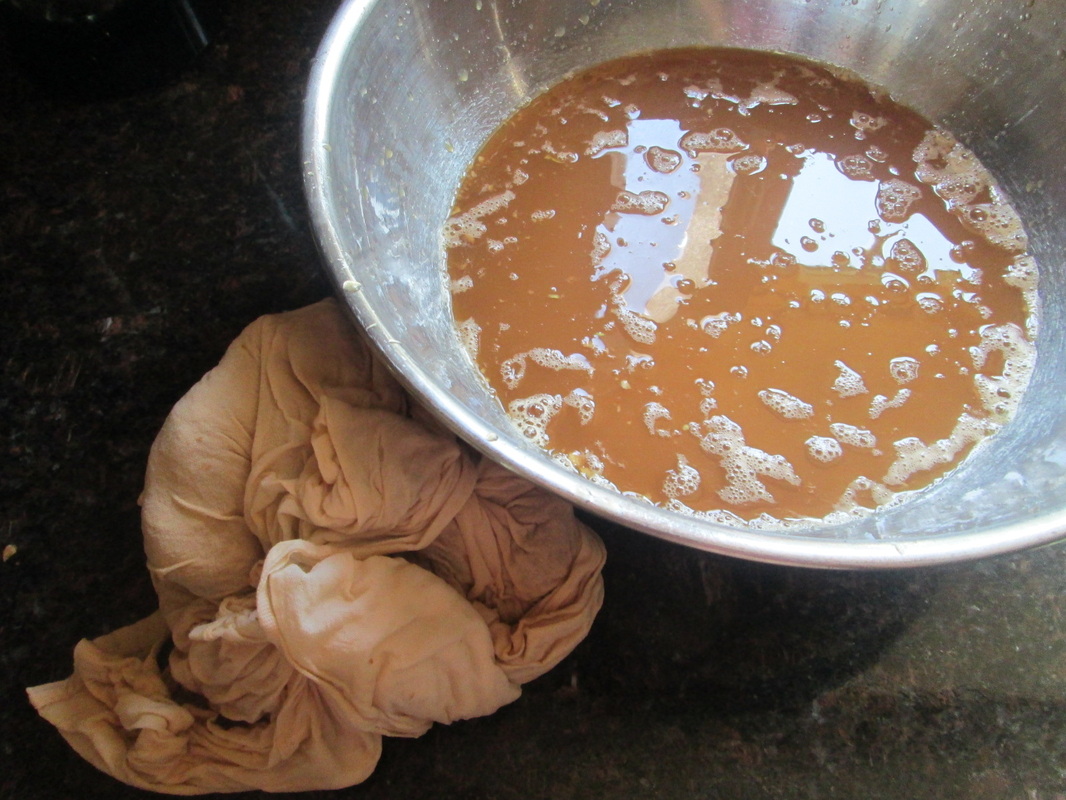
5. SQUEEZE!!
Picture
6. Toss your leftover apple pomace (ooo fancy word) into your compost pile. Reserve the apple cider to put in your glass carboy. 
Picture
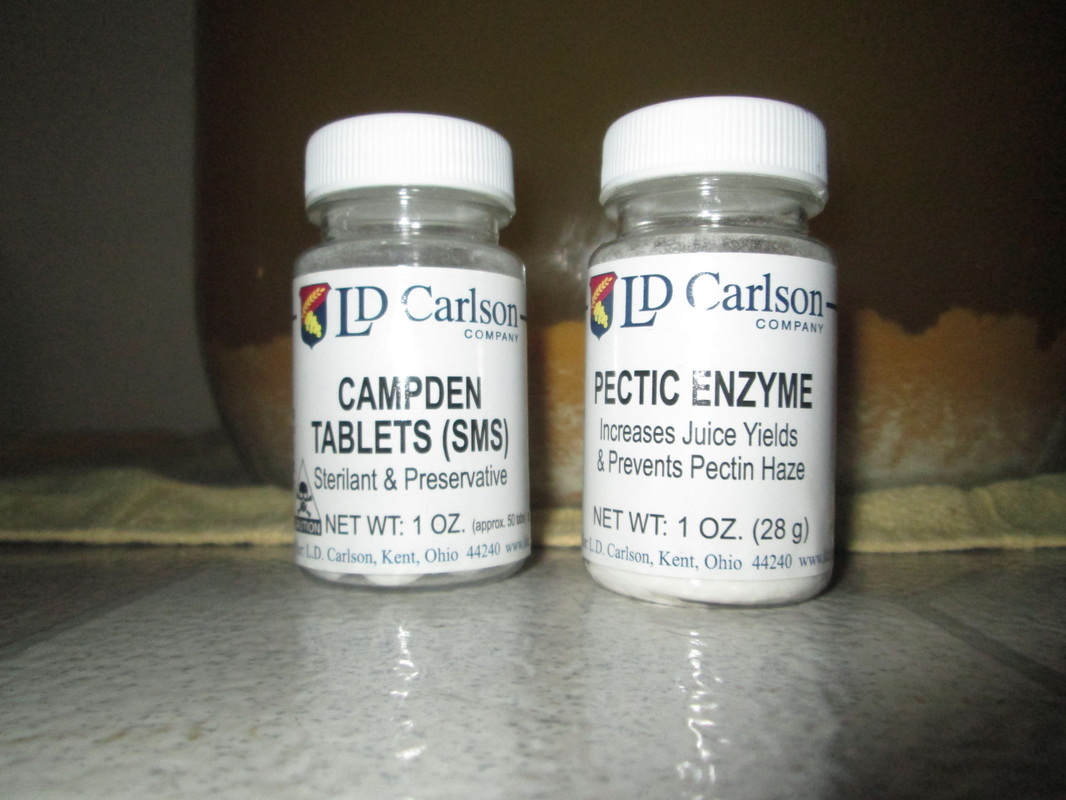
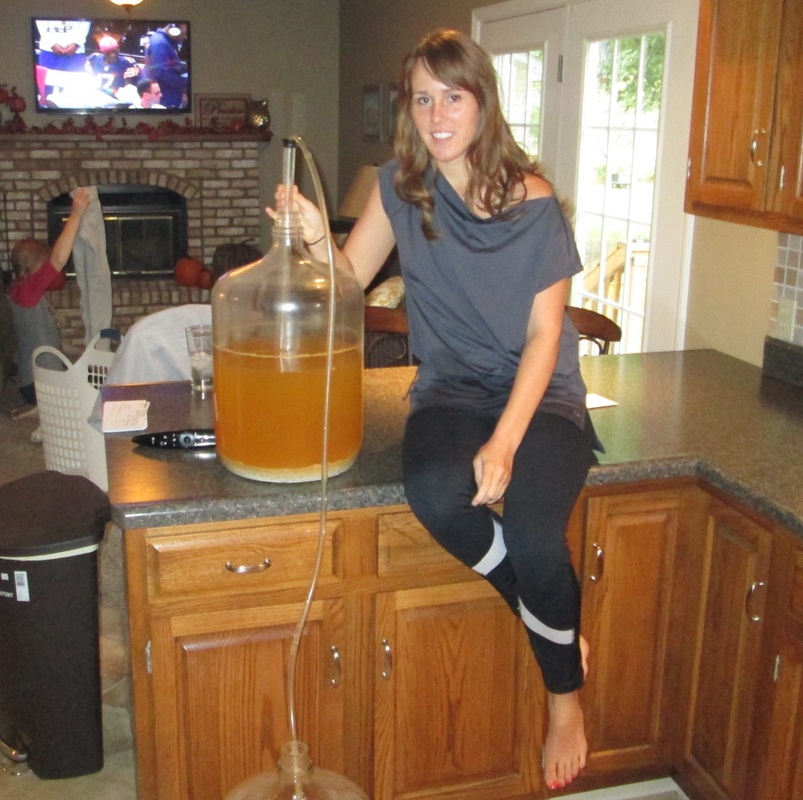
7. Get yourself a glass (or plastic) carboy, an airlock, Sanitizer, Pectic Enzyme (optional), Campden Tablets (optional), 1 packet of ale yeast, and a syphon. These can all be found online or at your local brewing store, and sometimes even at large liquor stores. Or you can find yourself a very handy brother-in-law that doesn't mind letting you borrow all of his things.  
8. Sterilize your carboy and airlock. This is super simple if you just buy some Star san or Easy Clean Cleanser (which you can find wherever you bought your carboy from). Just follow the instructions and rinse everything in the solution. No boiling necessary. 
9. Pour all of the cider into your carboy. (NOTE: you can pasteurize your cider if you'd like, but I didn't bother with this step as it is really just an extra precaution to kill any harmful bacteria.Since all of our apples were fresh and we cut them up ourselves, I deemed it unnecessary since pasteurizing can also slightly alter the flavor of the cider)
10. Add sugar. Add in 1/4 cup of brown sugar or a 1/4 can of frozen apple juice concentrate per gallon to your apple cider. (I had about 4 gallons so I added a whole package of apple concentrate) If you omit this step, your finished cider will probably have somewhere between 3-4 percent alcohol. If you add extra sugar for your yeast to munch on, you finished cider will be around 5-6 percent alcohol. Yeast work by converting sugar to alcohol and carbon dioxide, so the more sugar you start with, the higher concentration of alcohol. However....that doesn't mean you can just go dumping in a ton of sugar and end up with an extremely high alcohol content. If the alcohol percentage gets too high in your cider, it will kill your yeast. (well, effectively the yeast will be killing themselves because they need the sugar to survive, but by consuming the sugar they raise the percentage of alcohol in the cider to the point at which they are creating a toxic environment for themselves. Poor little yeasties, they will either starve to death or die by alcohol poisoning. What a Catch 22) Different strains of yeast have different tolerances to alcohol, but ale yeast generally start biting the dust at around 11 percent alcohol by volume. 
Picture
10. Optional: Throw in the campden tablets. These will kill any wild strains of yeast which could make your cider taste funny. You will need to put in one campden tablet per each gallon of yeast. Wait 12 hours for the campden tablets to take effect. 
11. Optional: Throw in the pectic enzyme. Follow the instructions on the bottle. Pectic enzyme helps to clarify the brew so it won't have a hazy appearance. If you don't mind a hazy cider, don't worry about this step. Wait another 12 hours. 
12. Rehydrate and proof your yeast. First put 1 cup of warm boiled water into a sanitized container and stir in the yeast. Cover with Saran Wrap and wait 15 minutes. "Proof" the yeast by adding one teaspoon of sugar. Why? because the yeast are hungry and want something to eat. Next cover the container and place it a warm area out of direct sunlight. After 30 minutes or so you should see foam or bubbles. Congratulations your hungry yeast are working and ready to be pitched. Into your apple cider that is! 
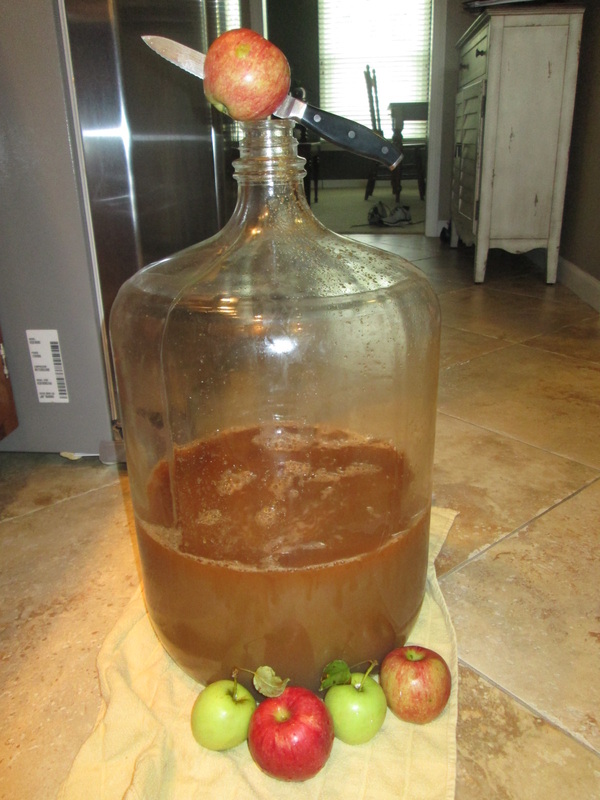
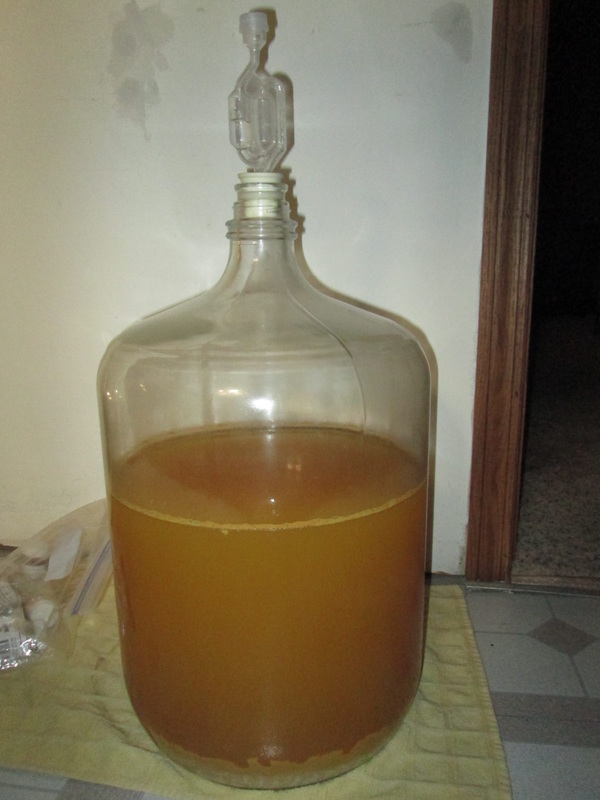
13. Pitch your yeast. Dump the yeast into the carboy full of cider and grab your airlock. The airlock is the funky shaped little tube. Fill it half full of sanitized water and then cap your carboy with it. That way the air produced by your yeast can escape, but no bugs or germs can get to your delicious cider. 

Picture
14. Waiting. Put your cider in the basement and sit back and wait. Your hungry little yeast are going to get to munching and multiplying. Yeast thrive on sugar, so they'll be eating up all the sugar in your apple cider and converting it into alcohol and carbon dioxide.  That's fermentation. You will see the airlock bubbling a lot in the first couple days as the carbon dioxide escapes. After about 2 weeks your yeast will start running out of sugar to eat and most will die. At the end of two weeks you will also notice a LOT of sediment has settled at the bottom of the carboy. We don't want to drink that stuff. So its time to transfer the cider into a new carboy. This is called racking.
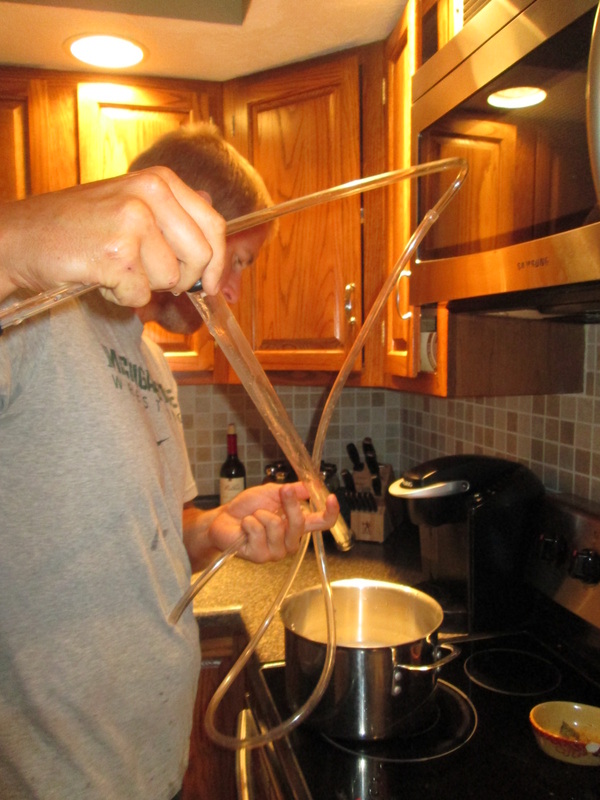
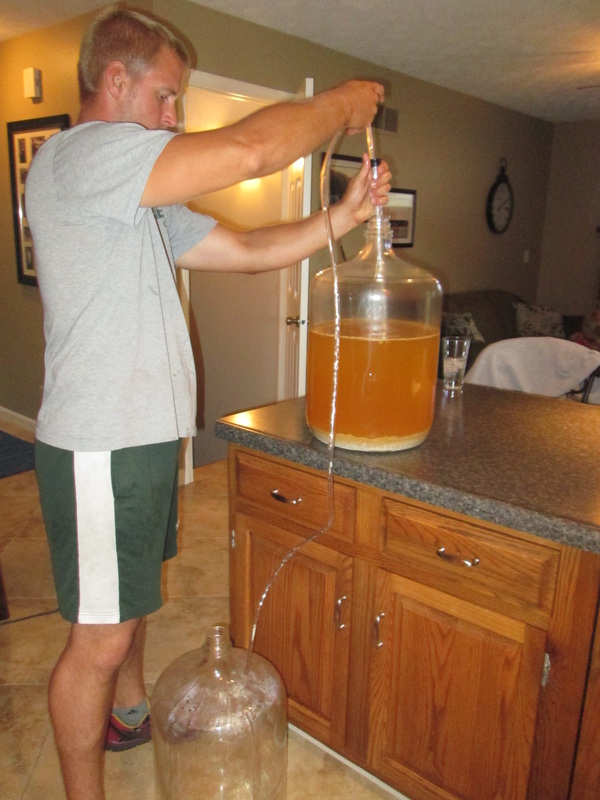
15. Racking. A day before racking, set your cider on a countertop so that you won't stir up the sediment moving it around on the day you rack. Here's where you will need the syphon. Be sure to sanitize the carboy and the syphon. Put the syphon into your apple cider but make sure it never touches the sediment, you don't want to suck that stuff up. Then if you have an automatic syphon, make sure the other end of the hose is in your clean carboy on the floor, and give the syphon a couple pumps to get your cider flowing. Remember, try not to suck up the sediment! This should take all of about 5 minutes. Easy peasy.  

Picture
Sanitizing the equipment
Picture
Picture
16. Taste Test.You should probably save a little cider to try at this point. It will not be sweet. Remember the yeast ate all your sugar. If you like it dry, then this is perfect for you. If not, then you'll want to add a little bit of alcohol sugar. Alcohol sugar is a type of sugar that the yeast can't eat, so it will sweeten the cider without restarting fermentation. These include xylitol, stevia, truvia, and splenda. Sweeten the cider to taste, but remember, once you put it in, you can't take it out. You could also add a little apple flavoring at this point too if you wanted. Flavoring can be found online or at your local brew store. 
I like my cider not too sweet, so I only added two little sugar packets of stevia to my 4 gallons. I may add more at bottling time if I decide I'd like it a little sweeter. 
17. More waiting. Move your cider back to the basement and wait some more. 
This is officially "secondary fermentation," but you should see very little (if any) bubbling action. Most of the info I read agreed to let the cider sit for about 21 days, although you could actually let it  "mellow" for 2-3 months. Apparently it will develop some nice flavor and continue to clear the longer you let it sit. But I'm Miss Impatient, so I'll stick to the 21 days.

For more information about making hard cider, check out the two websites below. All of my information is from them since they had the best instructions and most complete explanations. 
http://makehardapplecider.com/
http://www.howtomakehardcider.com/rack-bottle.html

See you back here at bottling time!

P.S. Big hugs and thank yous to Michelle, Maggy, and Neal for lending me your time, your kitchen, and your equipment.
2 Comments

Harvest Gold

10/2/2013

0 Comments

 
Hey you. 
Picture
Yes you. 
Come follow me.
Picture
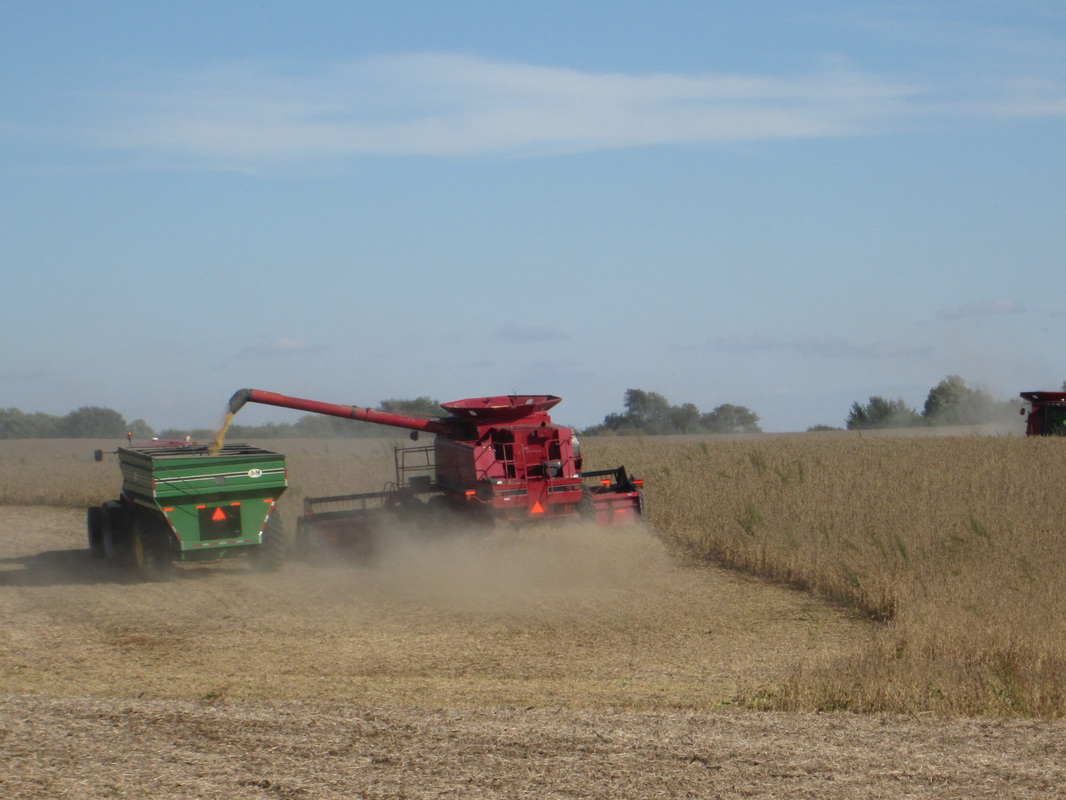
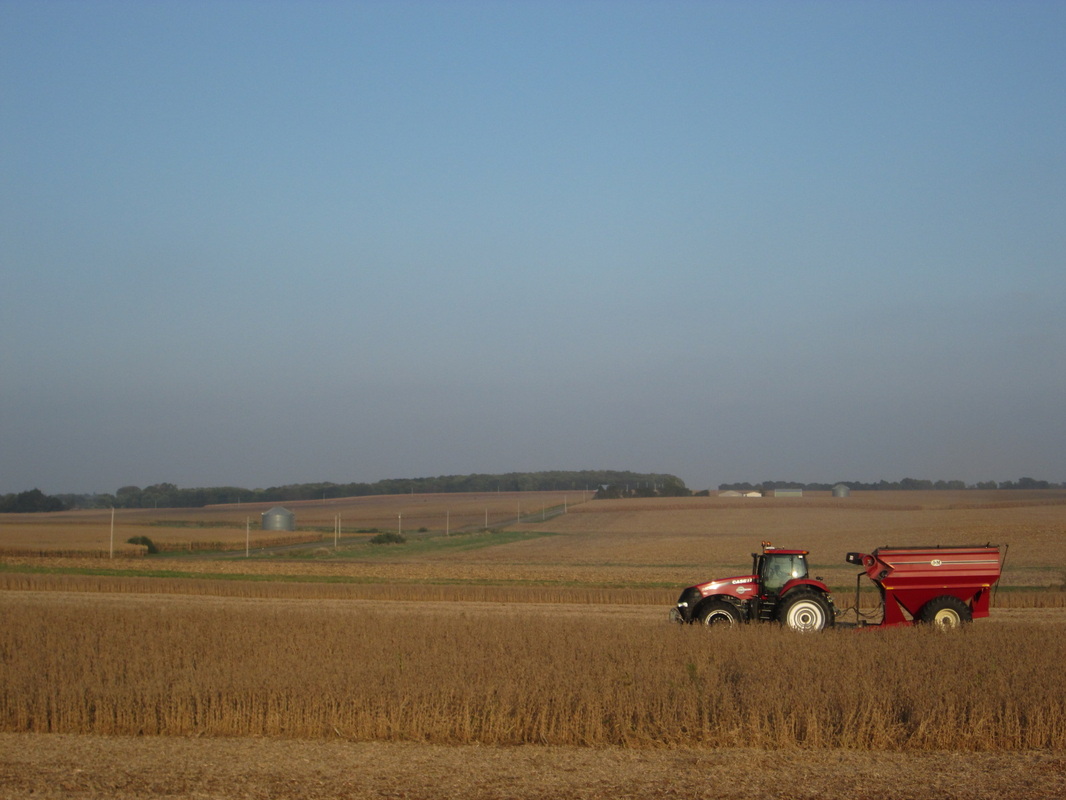
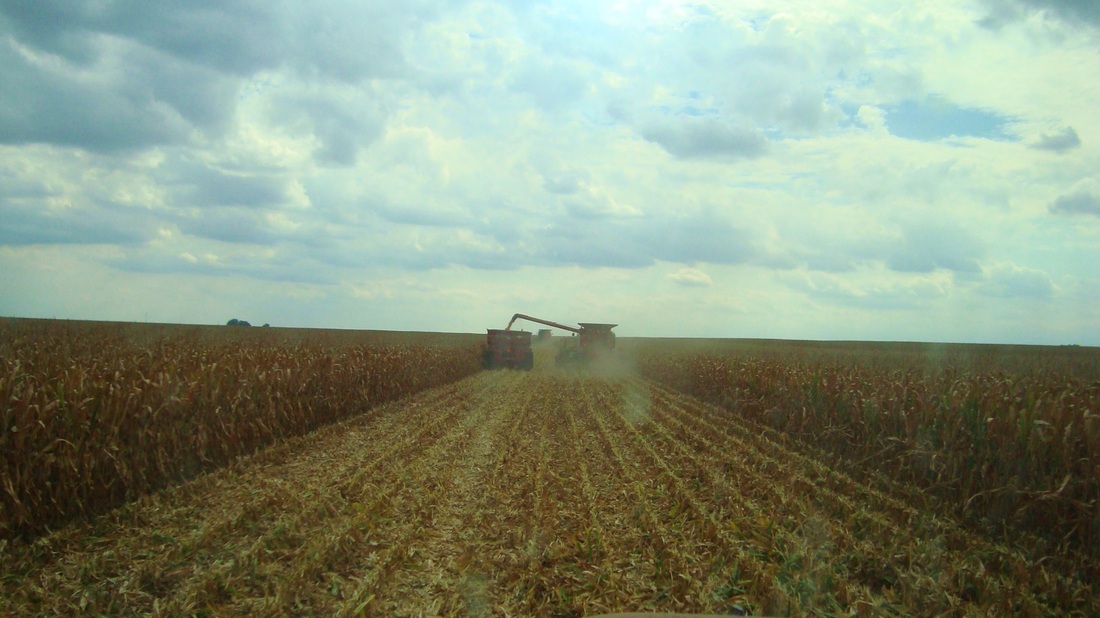
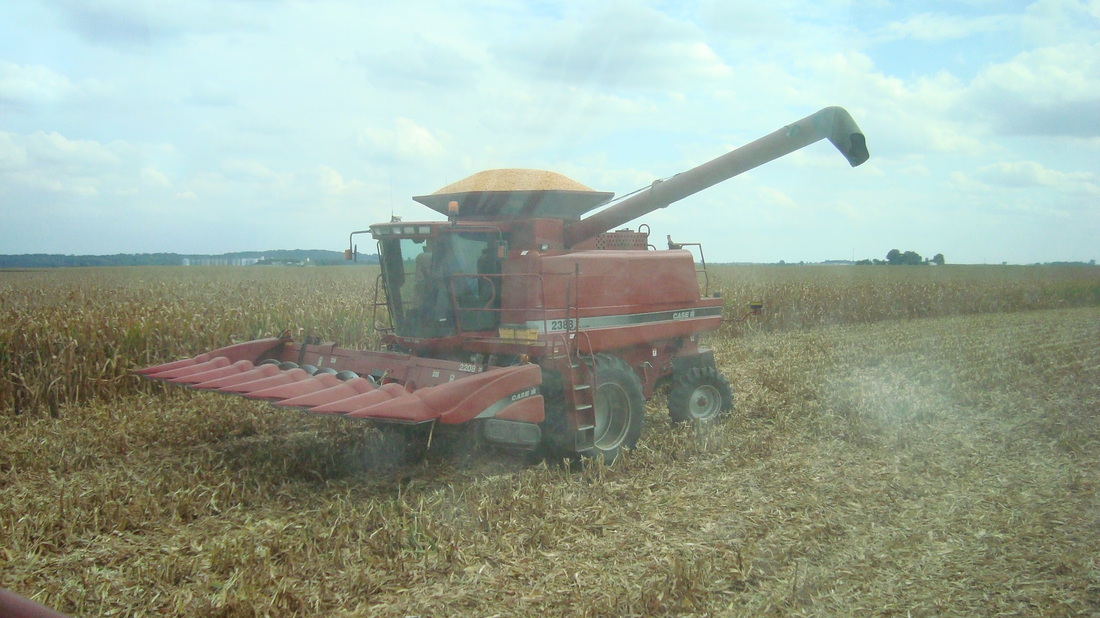
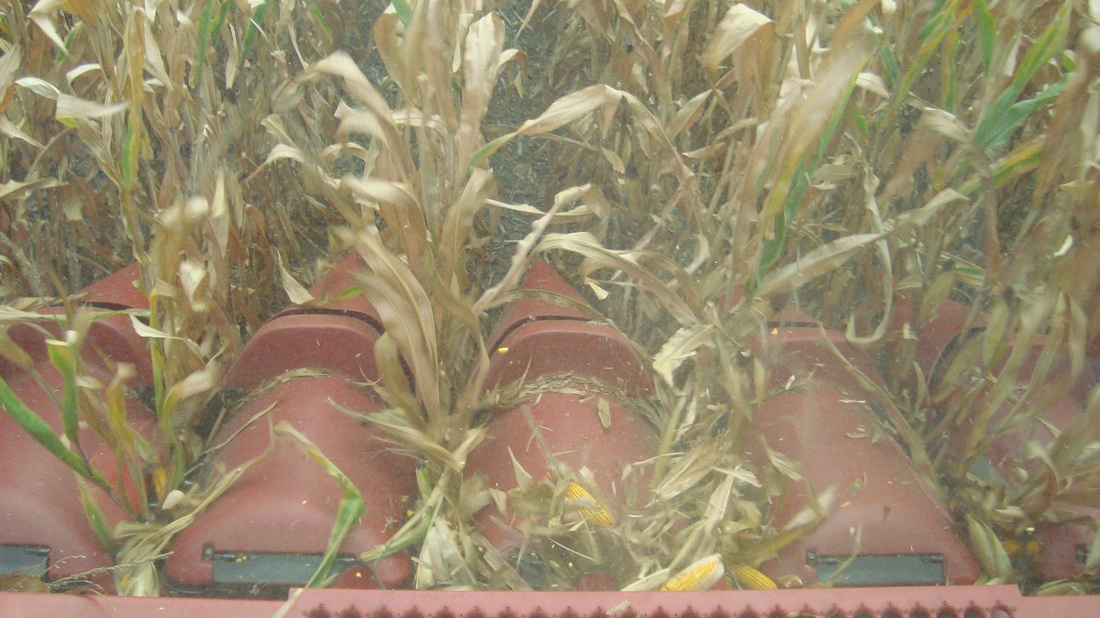
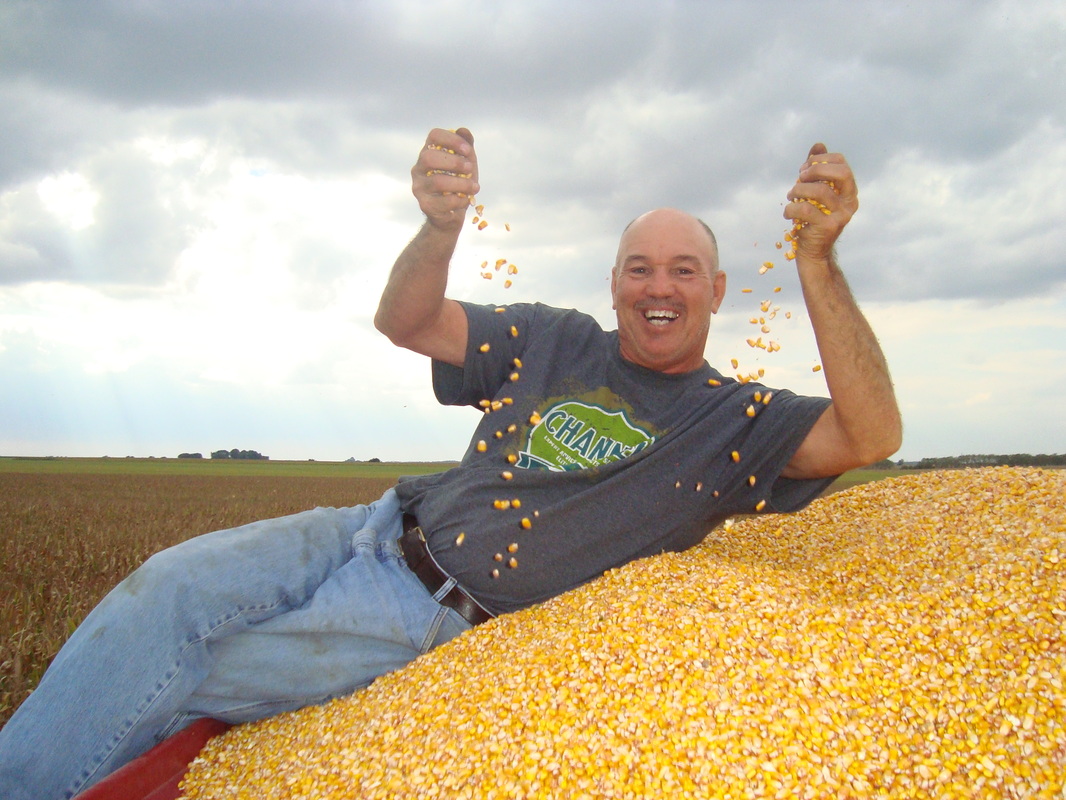
It's harvest time in Illinois, and we're on the hunt for gold.
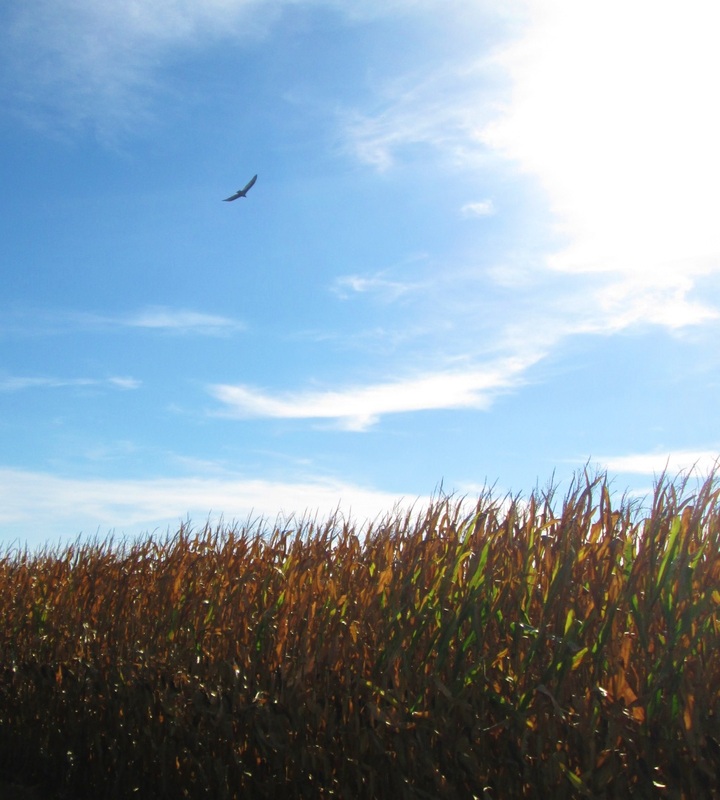
The trek could be dangerous. We'll be weaving our way through a maze of ten-foot tall cornfields...
Picture
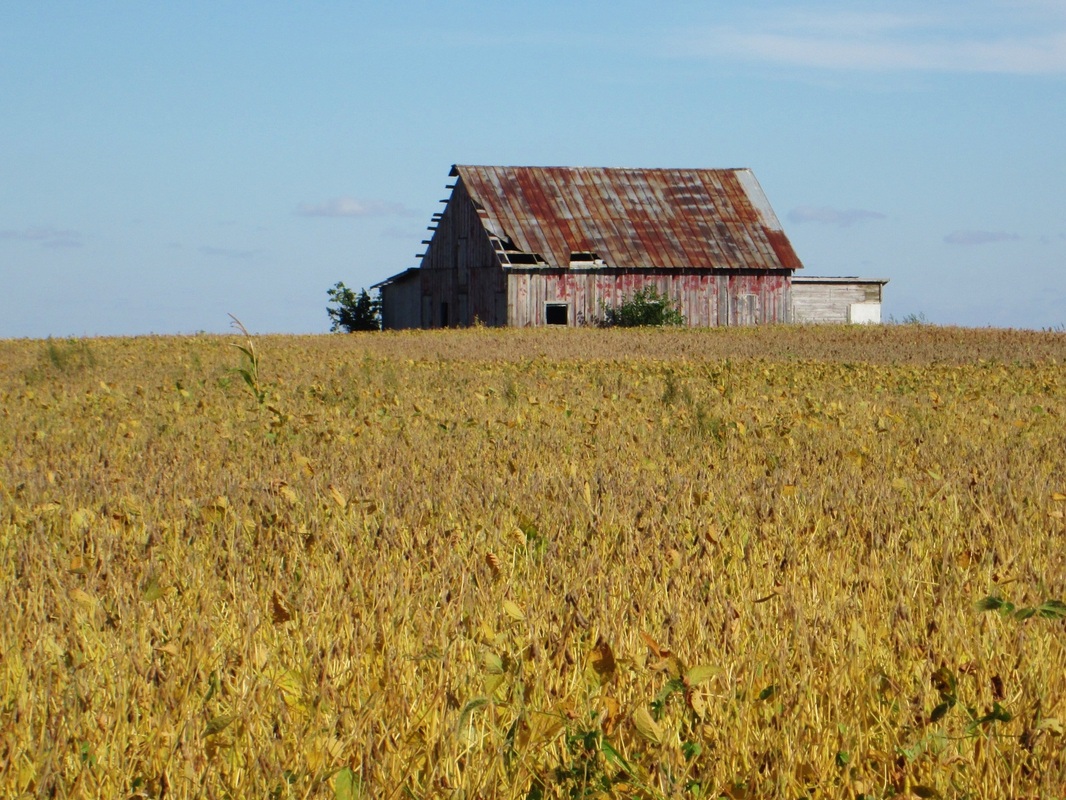
...and we may encounter the abandoned building or two...
Picture
Picture
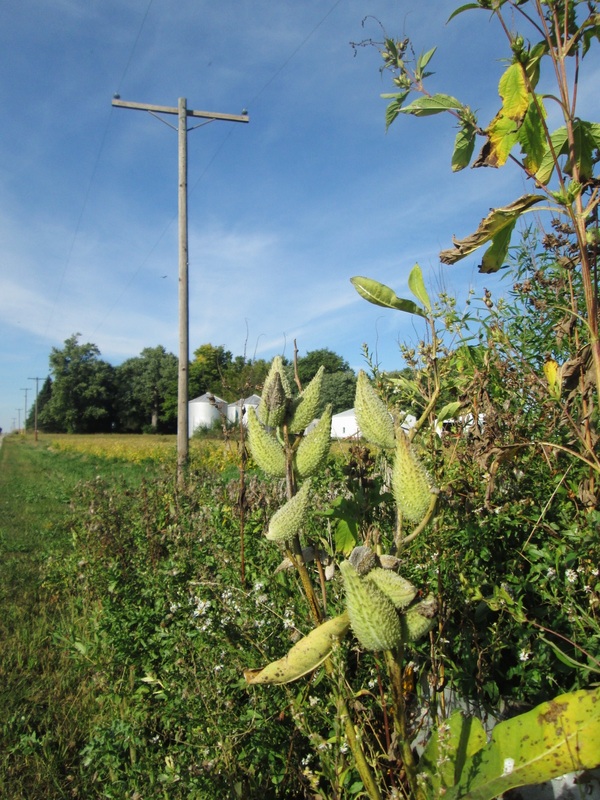
....and the treacherous milkweed may cross our path...
Picture
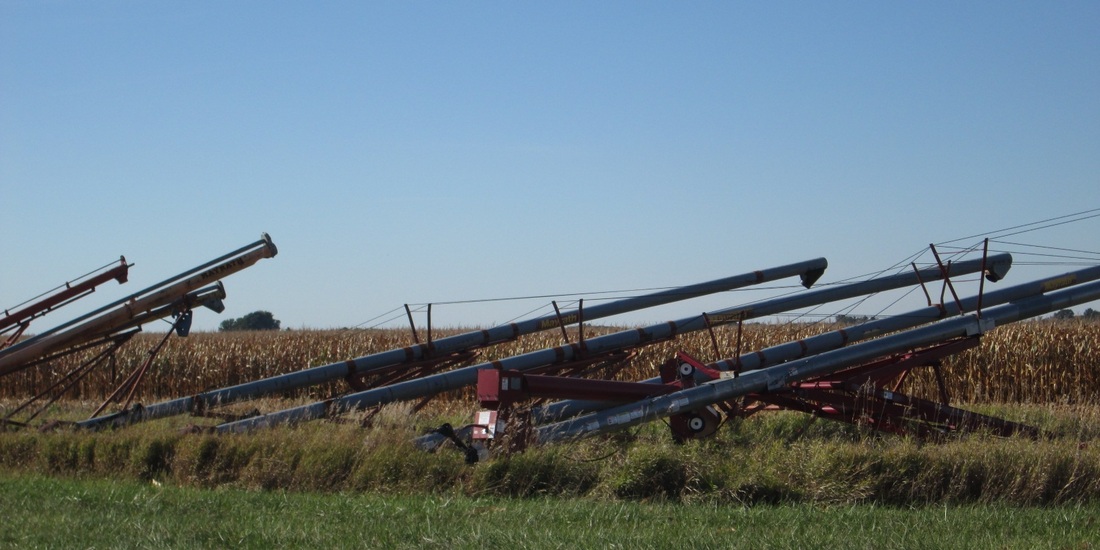
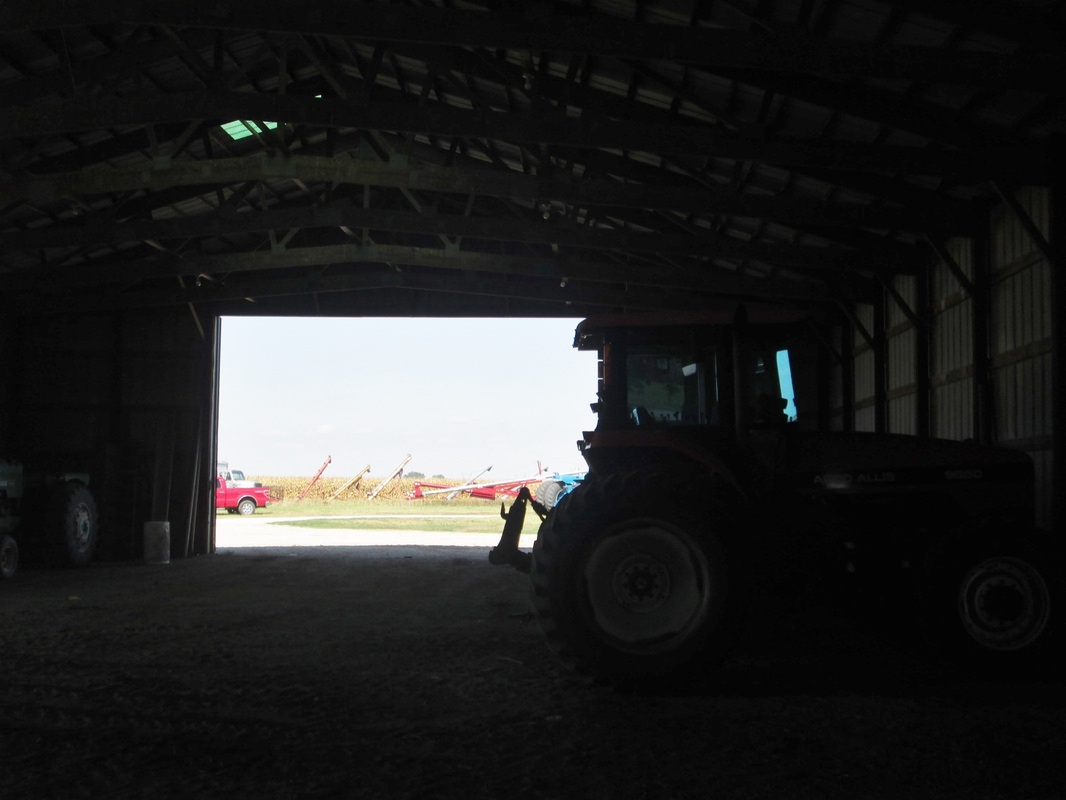
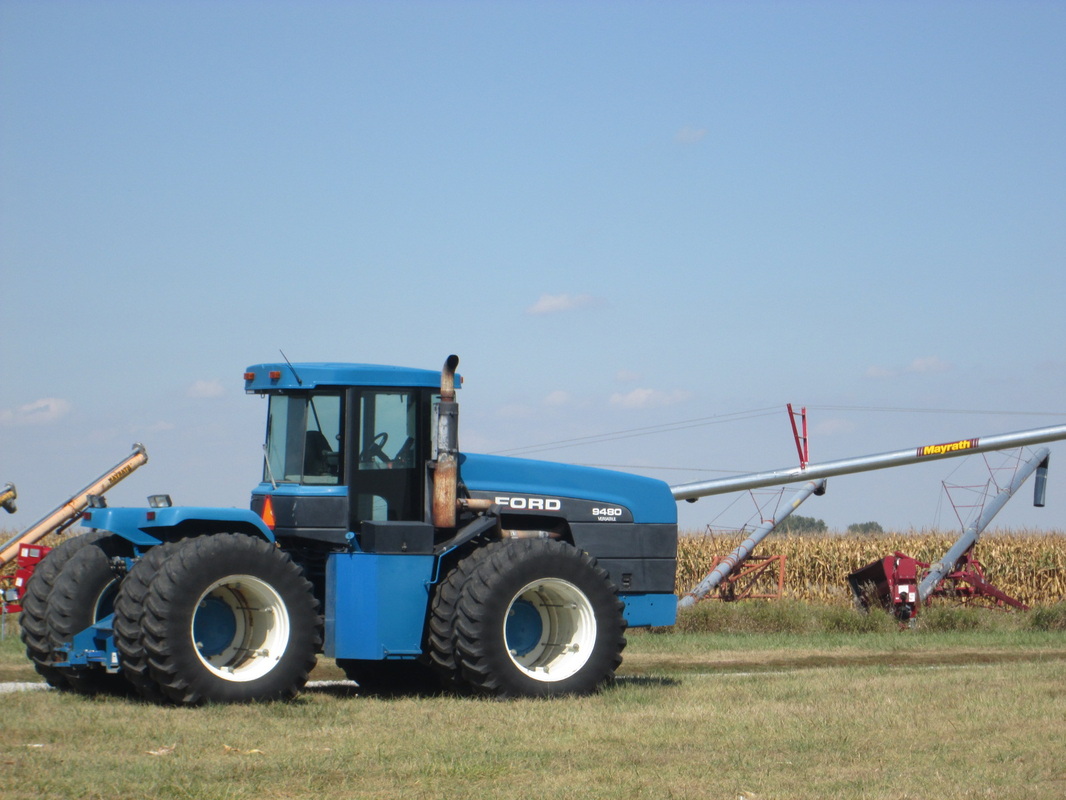
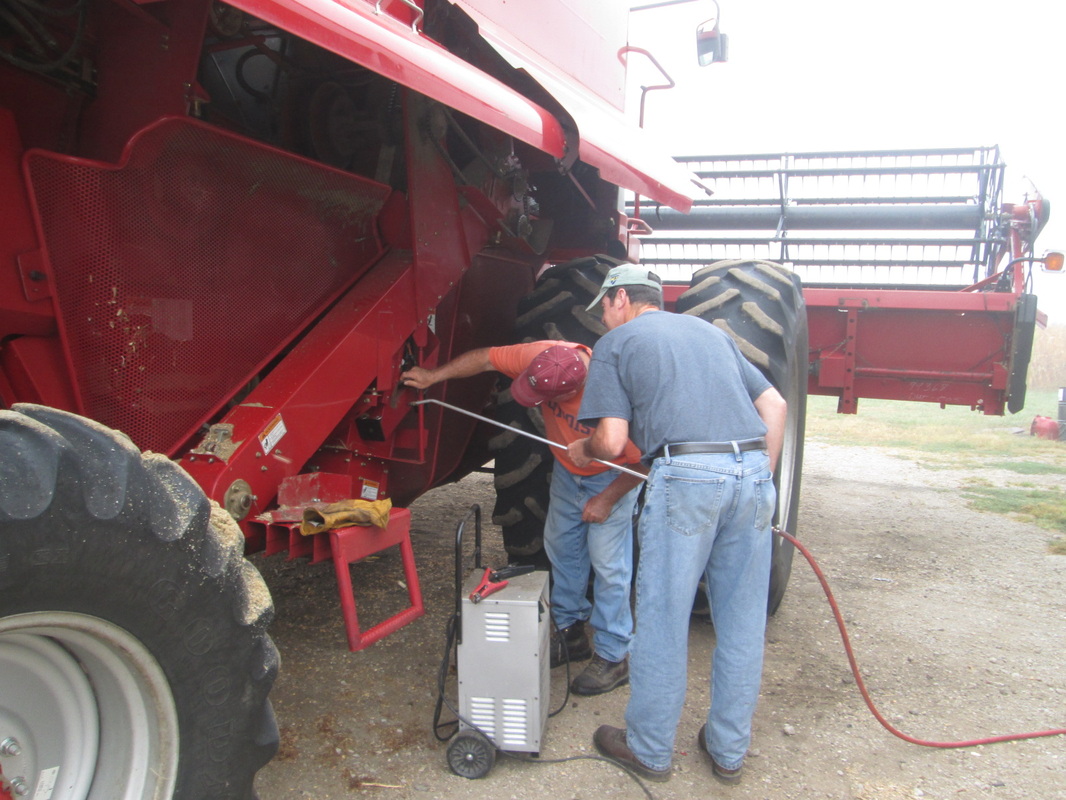
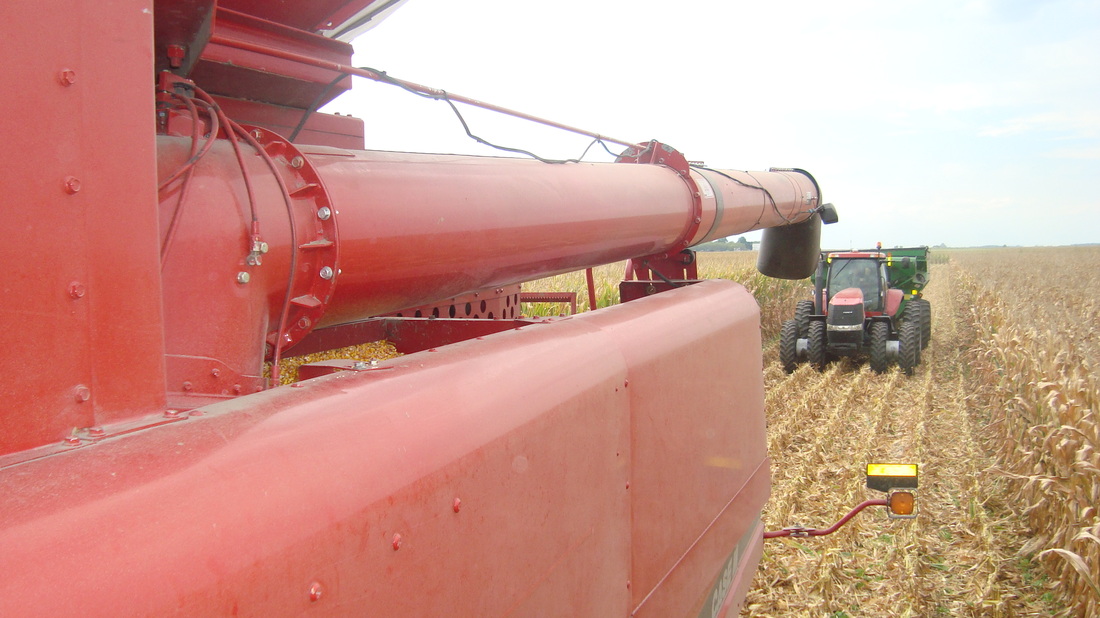
....but don't worry...we'll be armed with some heavy machinery ourselves....
Picture
....we've emptied the holding sheds....
Picture
Picture
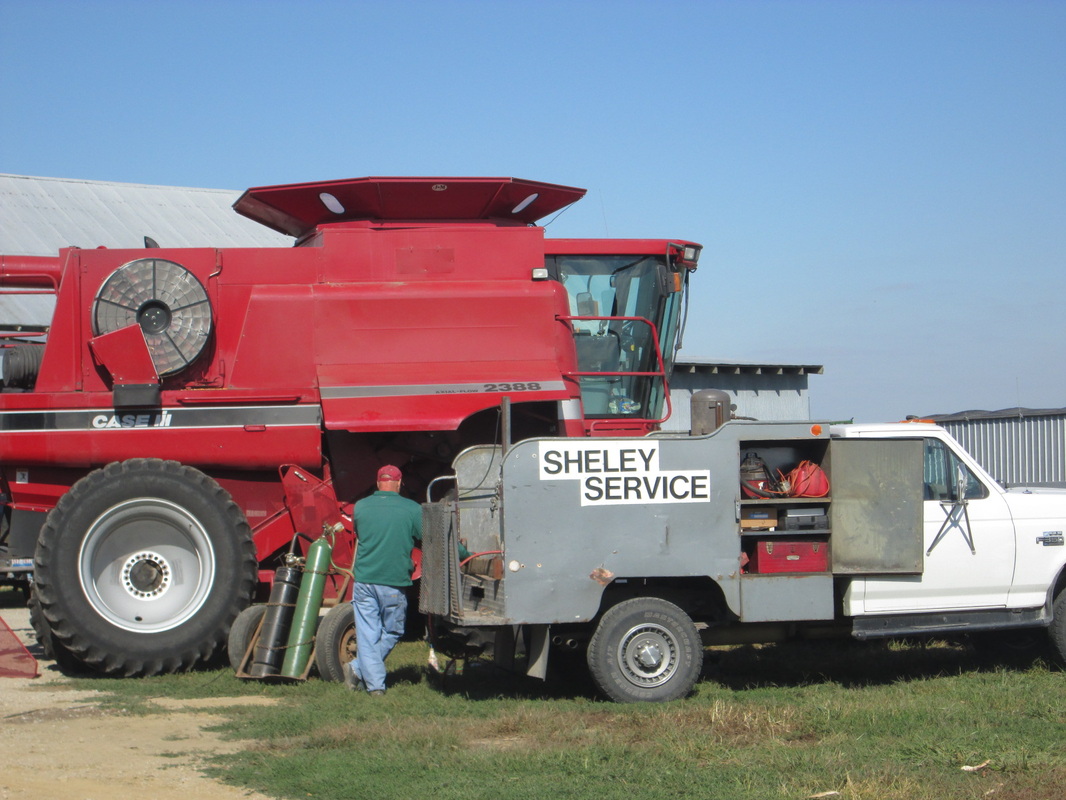
....and our mechanics are arming the equipment...
Picture
Picture
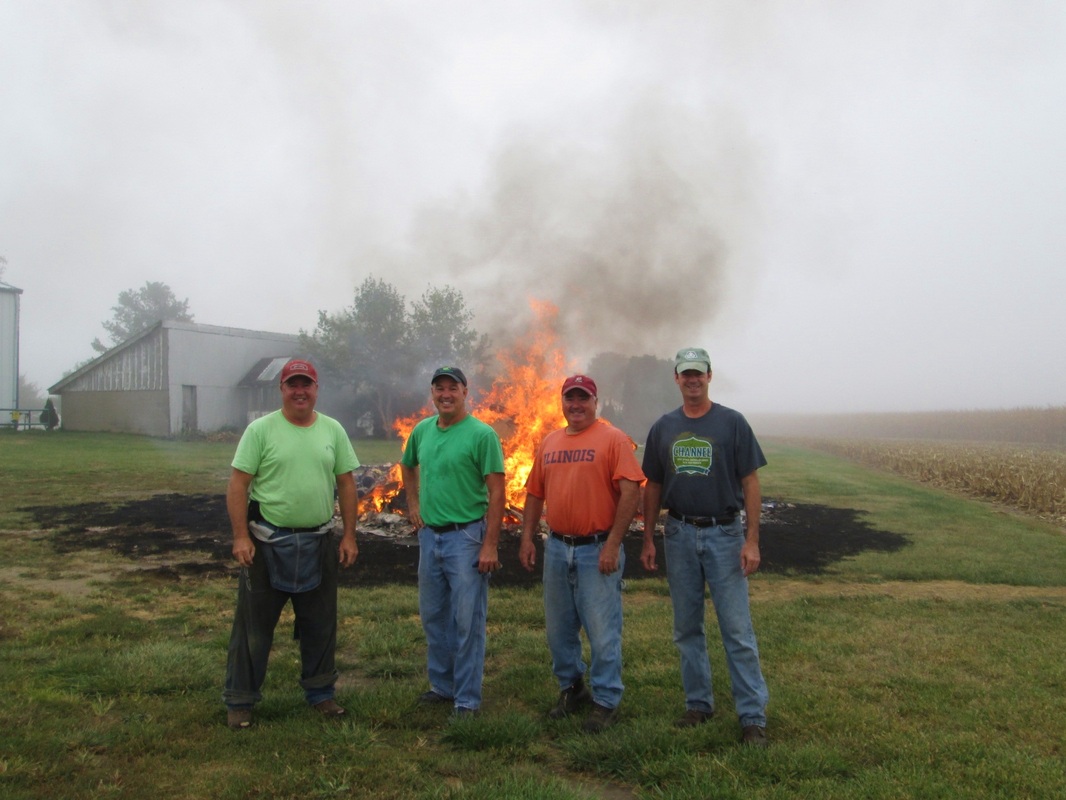
And we have a brave and daring crew at our side (Fire for dramatic effect). 
(Left to right: Uncle Larry, Dad, Uncle Bill, Uncle Tim)
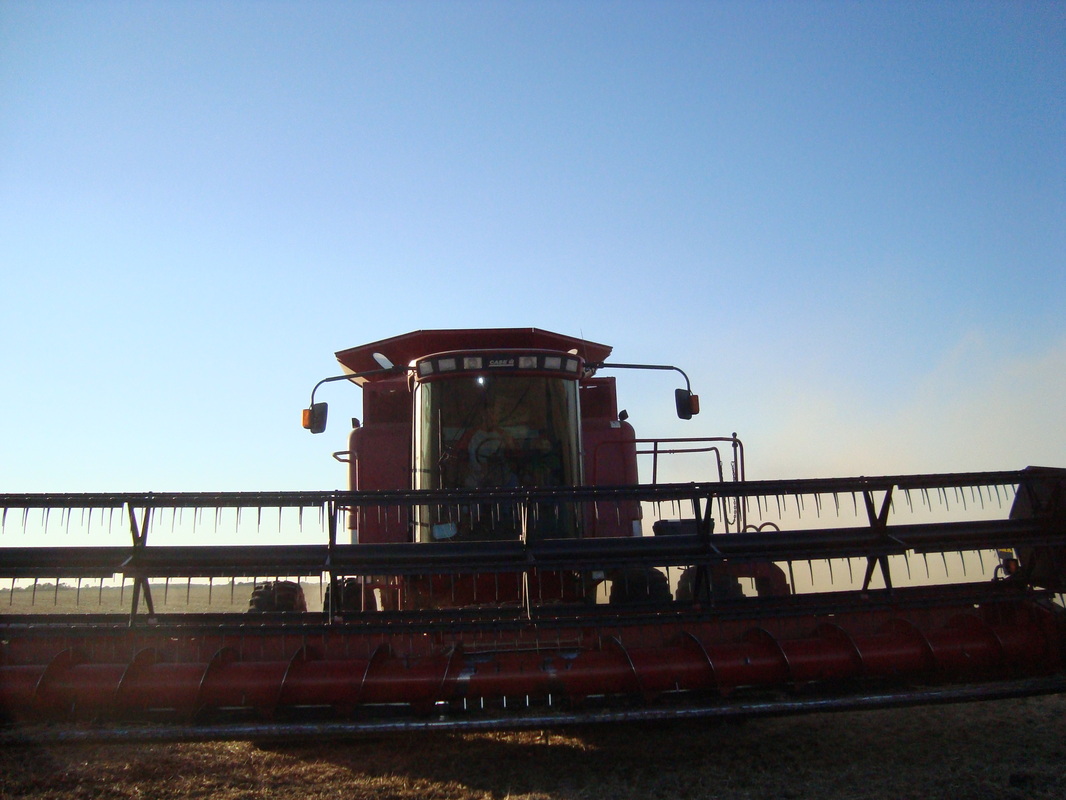
Man the stations! It't time for battle!
Picture
Picture
We'll start in the dusky bean fields...
Picture
Picture
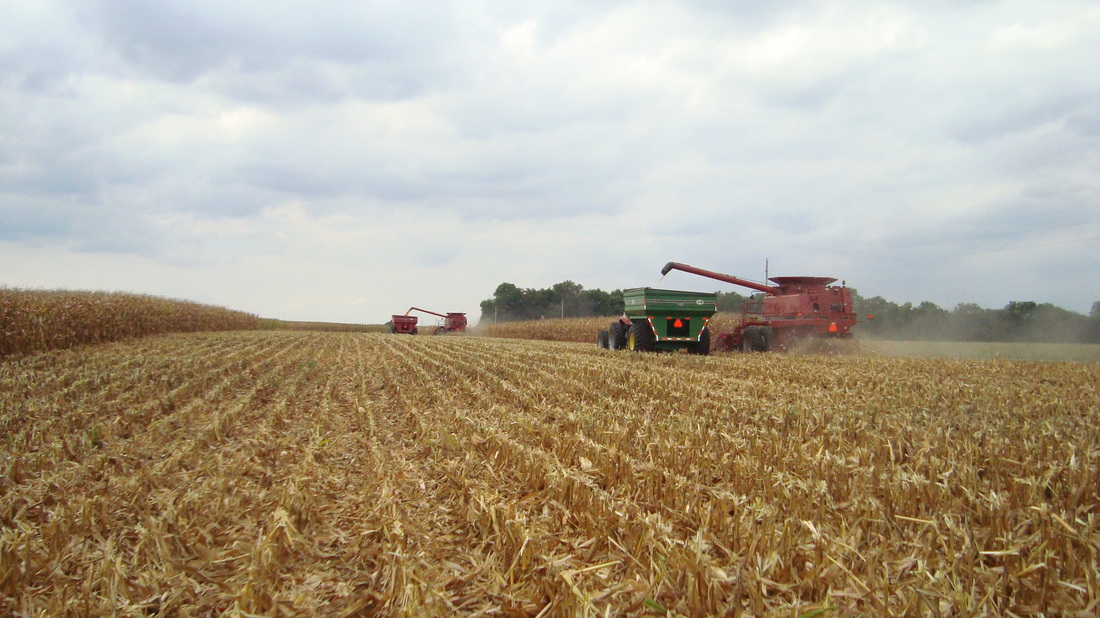
And then we'll hitch a ride with Uncle Bill over to a neighboring cornfield...
Picture
Picture
Picture
Picture
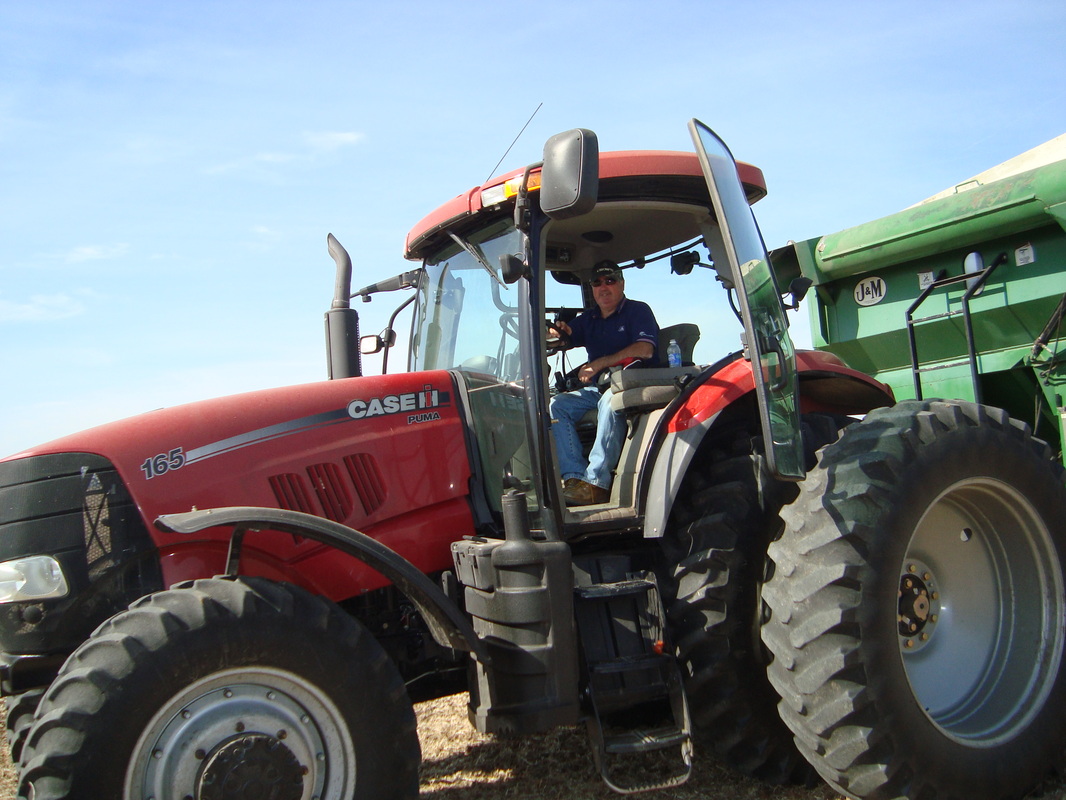
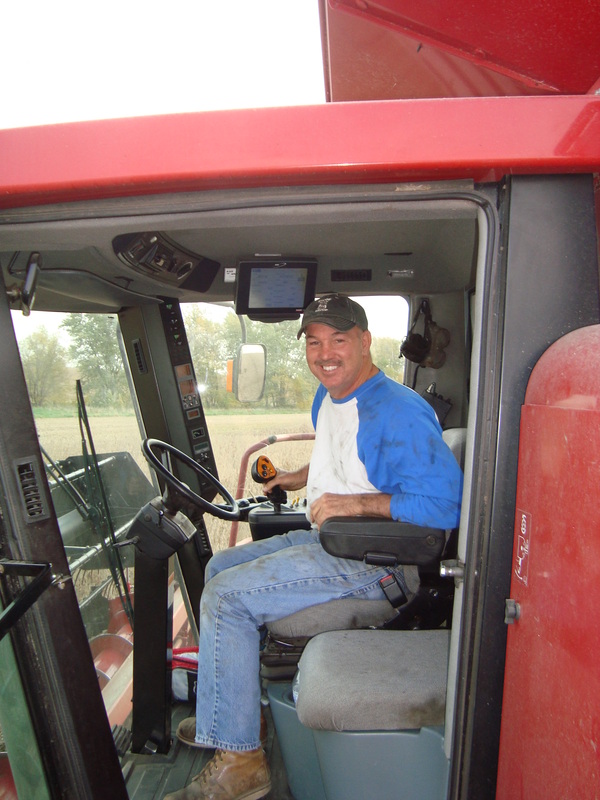
...then we'll hop into the lean mean corn-eating machine with Dad.
Picture
Picture
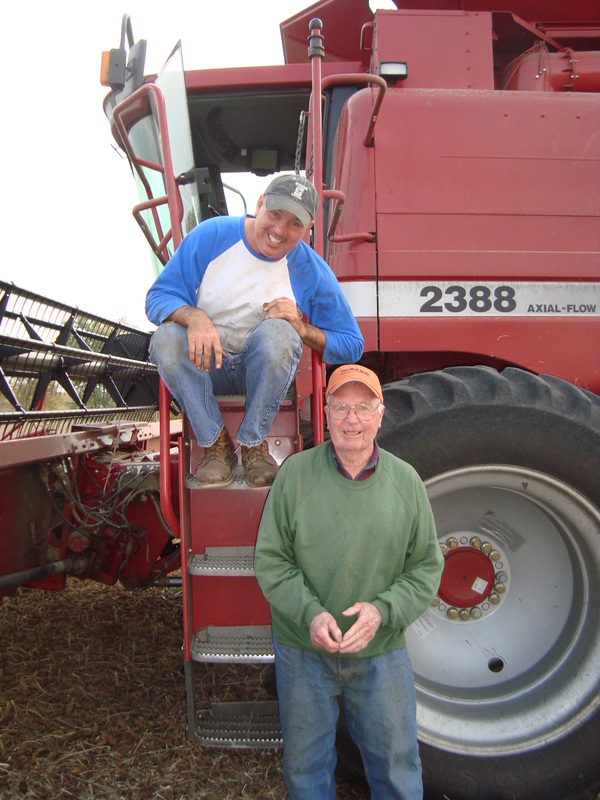
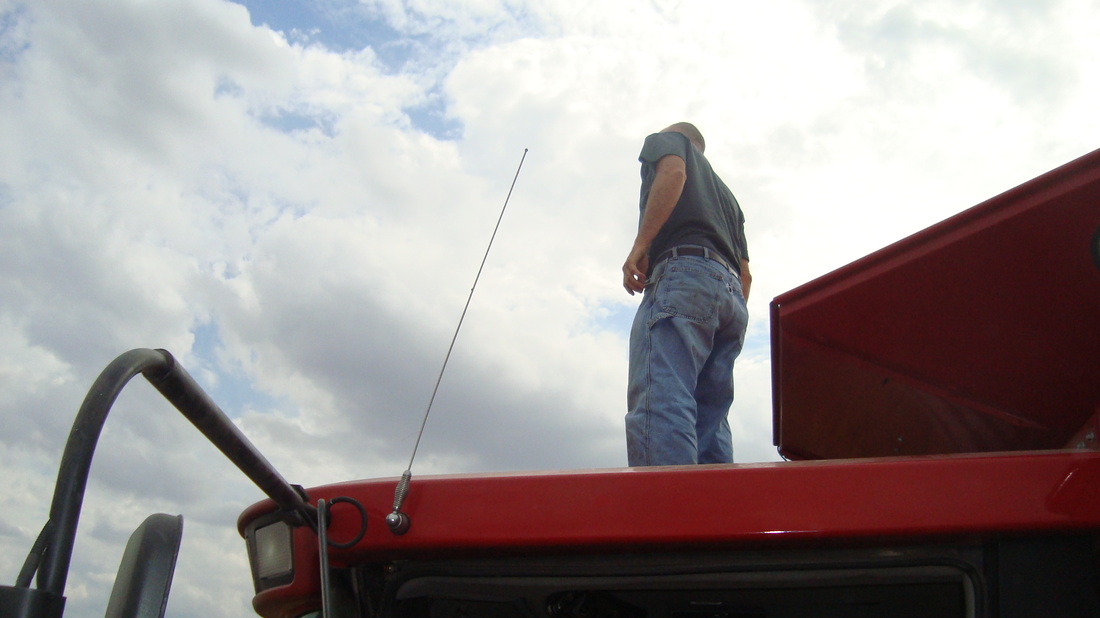
...don't forget to say hi to Granddad, he's our (retired) captain and commander. 
Picture
Picture
....and remember to keep your eyes peeled for that gold...
Picture
Picture
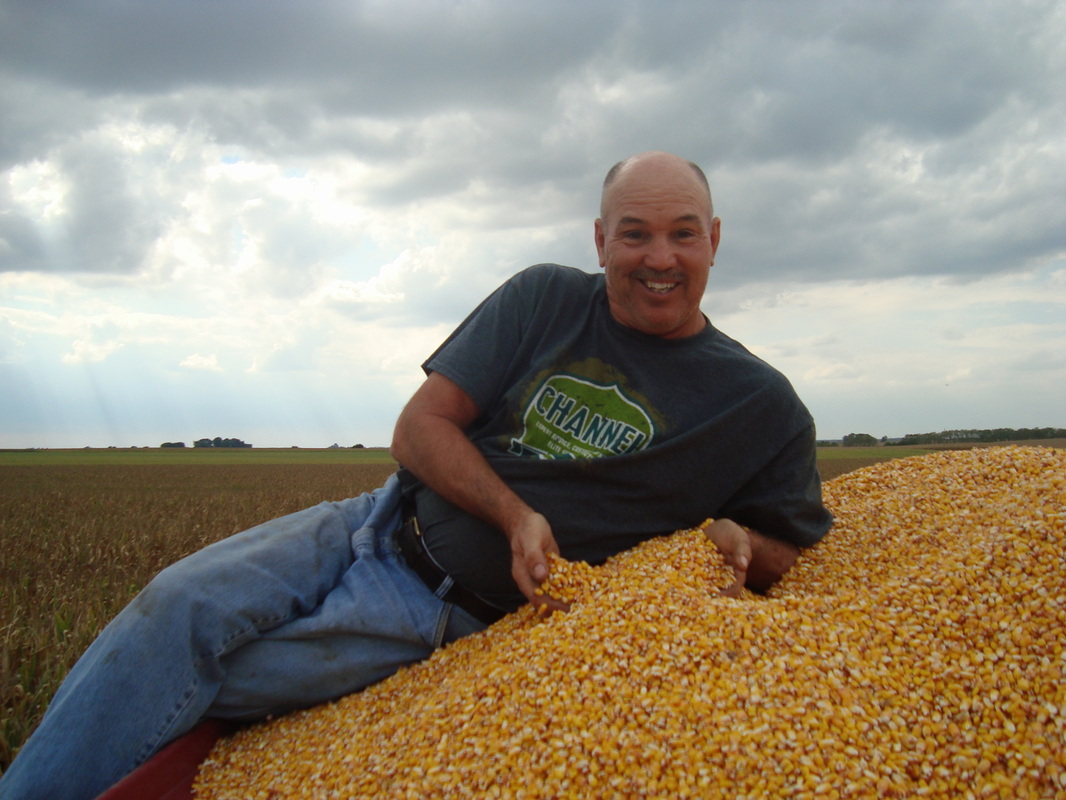
By George, I think we've found it!
Picture
Picture
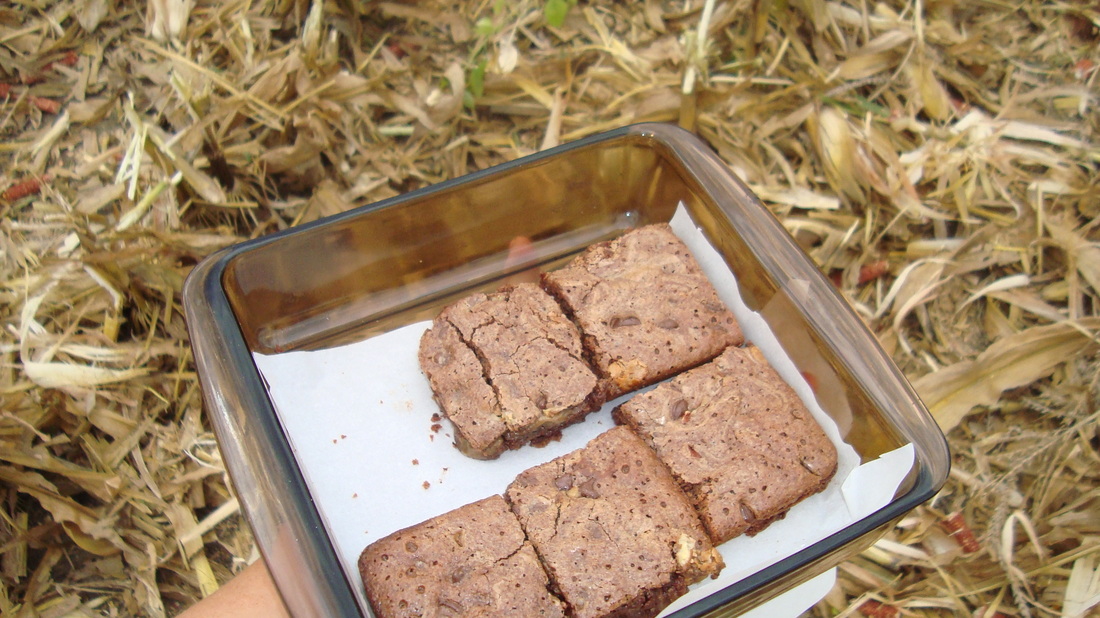
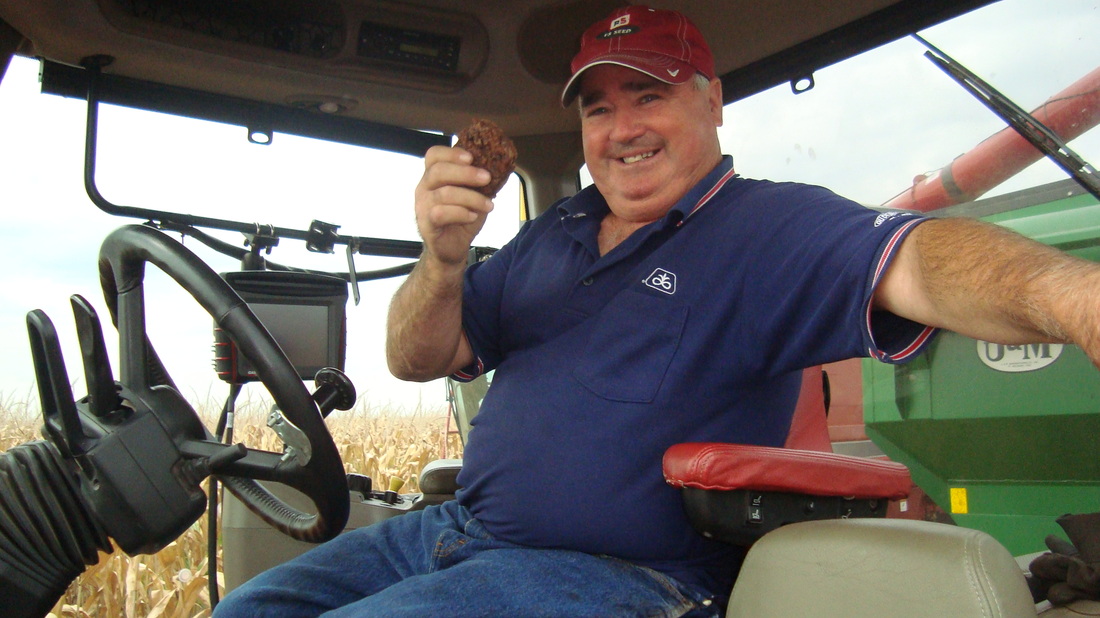
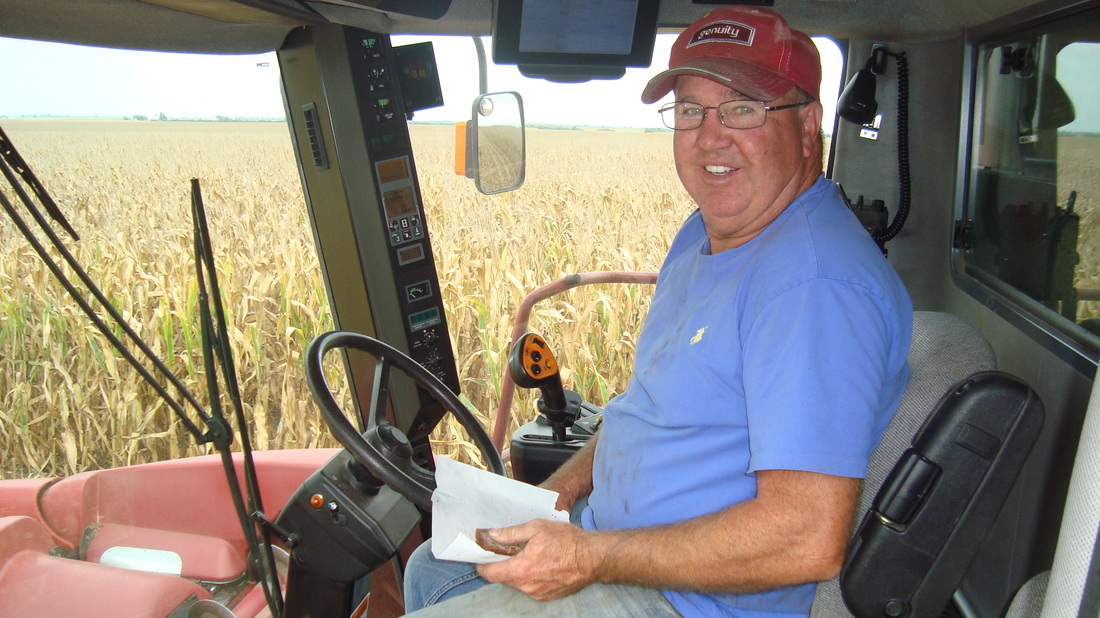
What's that you say? You're getting hungry? I've got you covered. After all , we'll need some fortification before we can haul all that gold home...
Picture
Uncle Bill
Picture
Uncle Larry
Picture
Picture
Picture
Perfect, we can safeguard our gold in this bin. 
And look, we made it home just in time to enjoy the sunset. 

Good adventuring with you! Until next time my friends. 
0 Comments

Apple Cider Adventures Part II....If at first you don't succeed....

9/26/2013

0 Comments

 
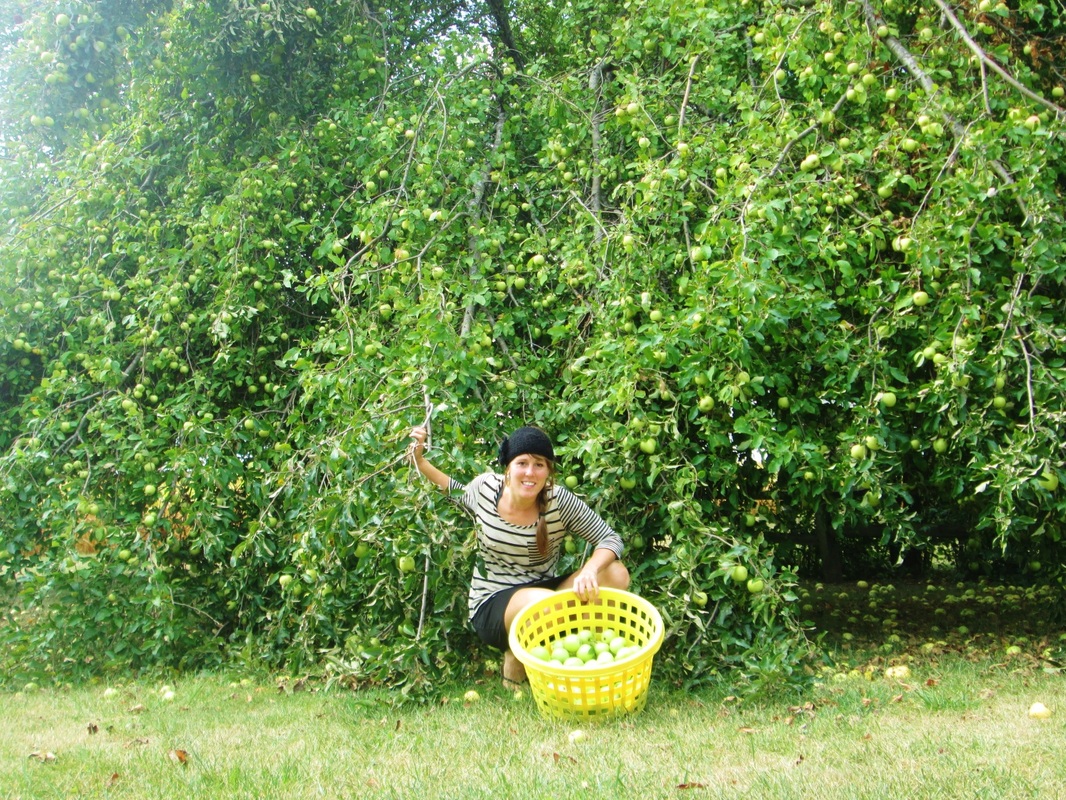
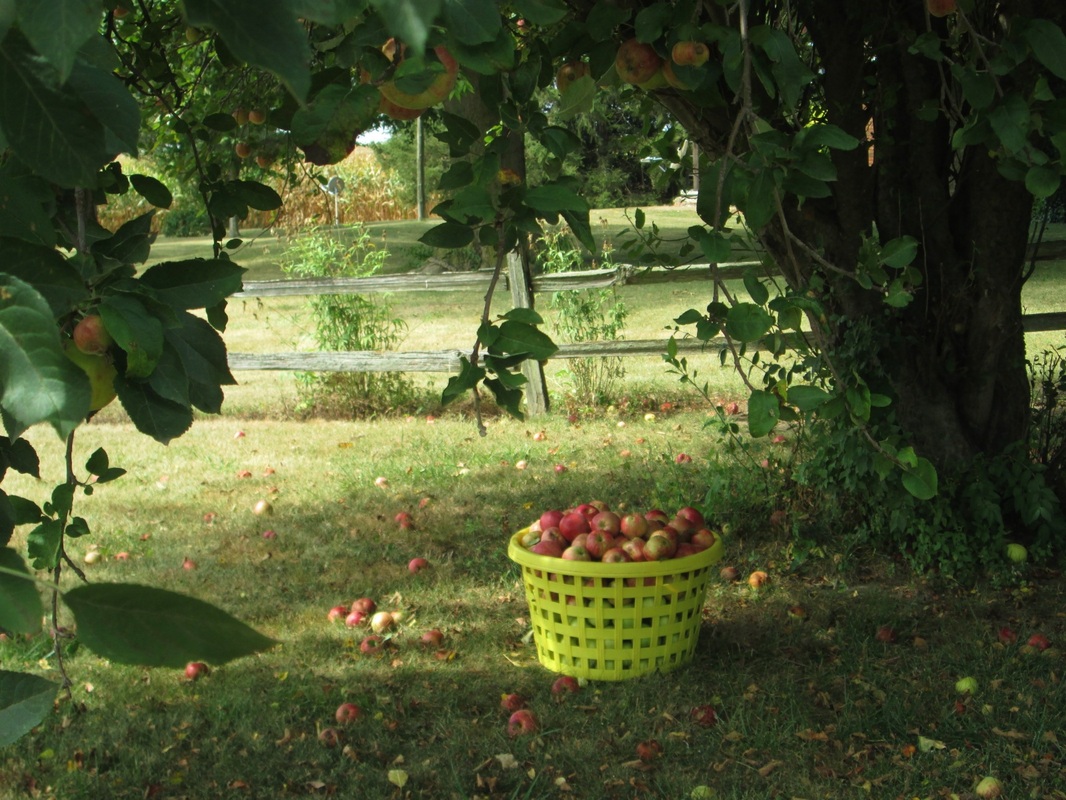
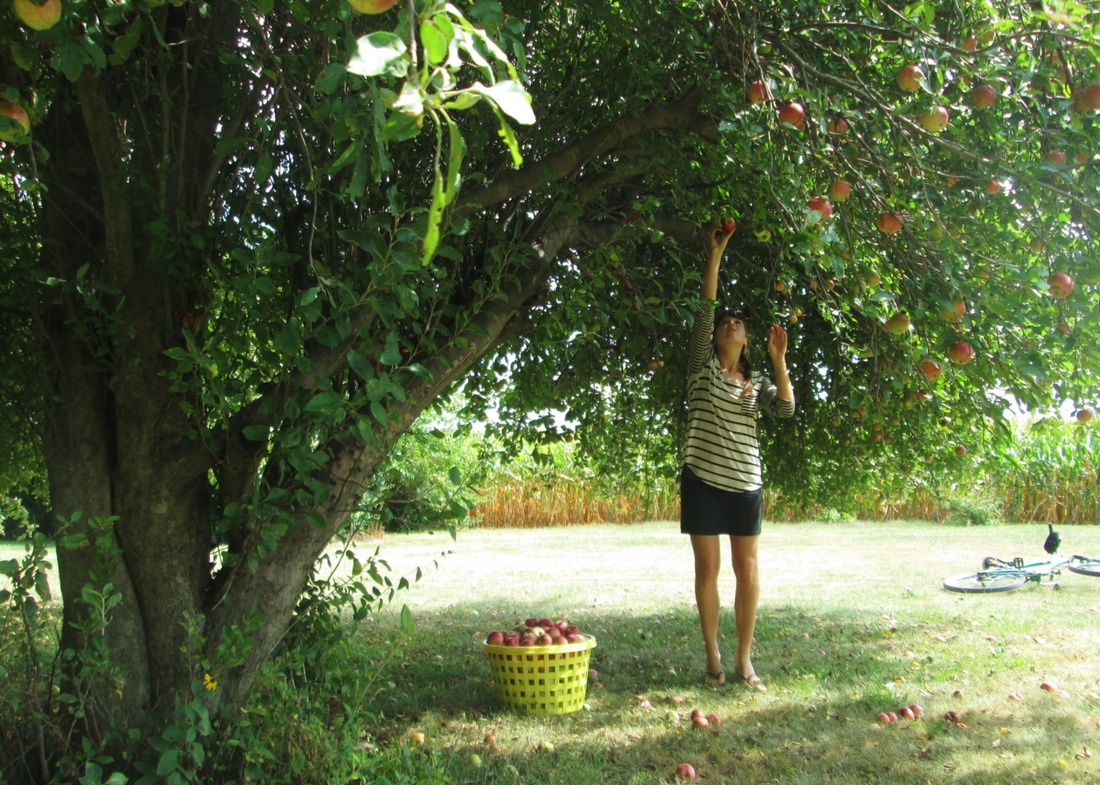
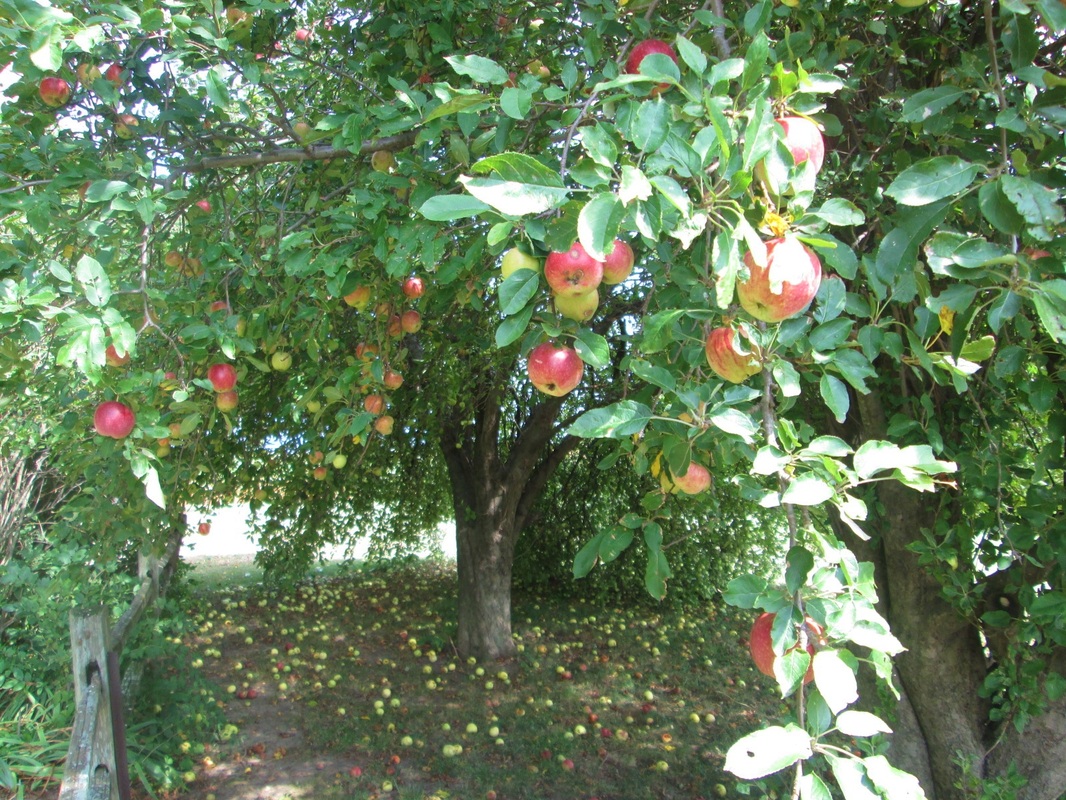
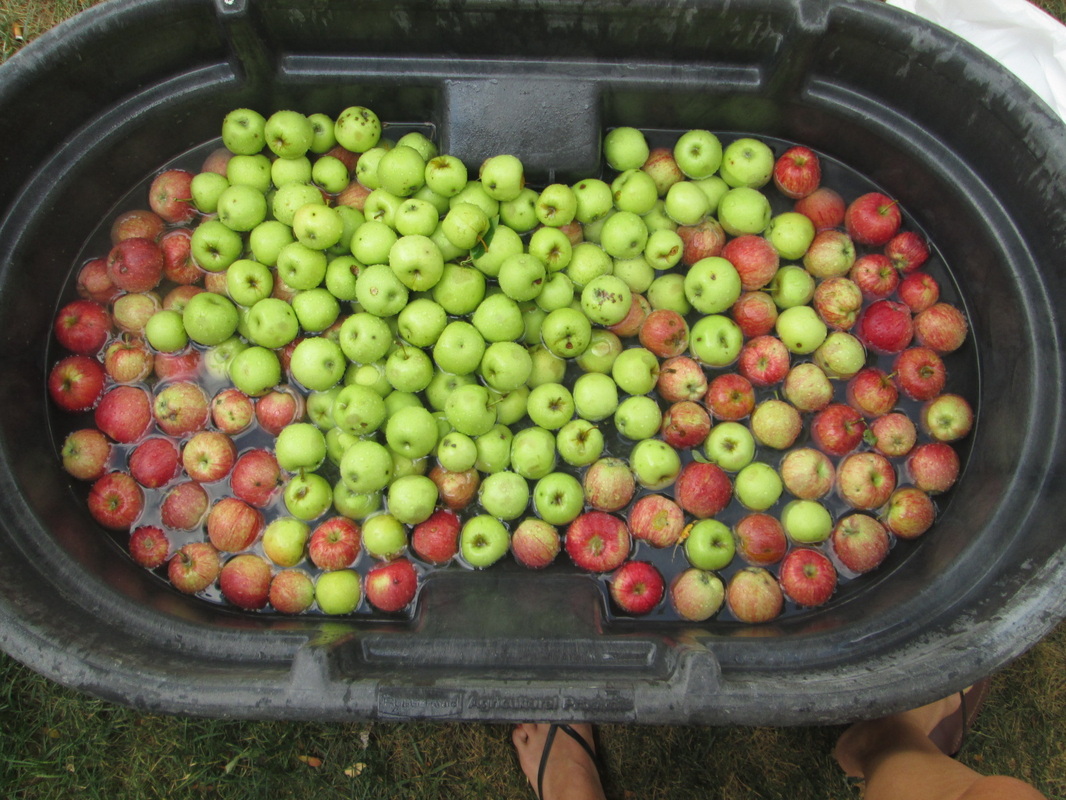
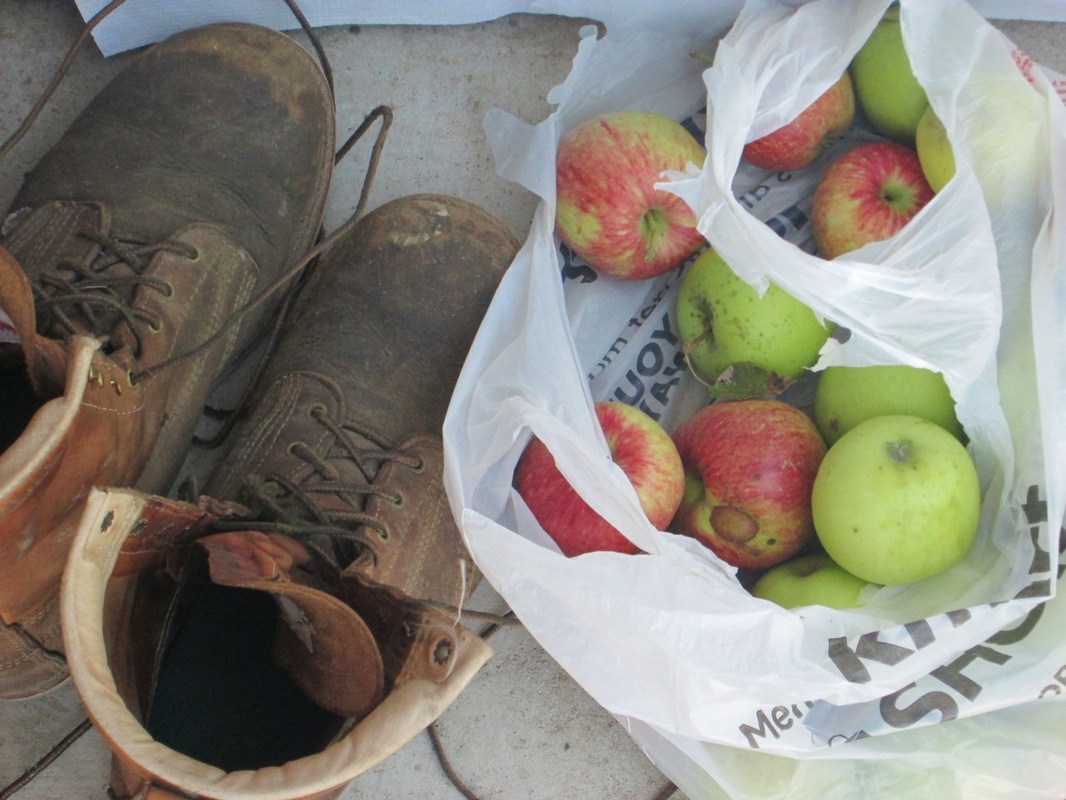
Last week I rode my bike to Granddad's place. He has two apple trees in his back yard that are literally heaving with apples. The branches are drooping to the ground underneath the weight of them all. So, armed with an old laundry basket, I went to work relieving the trees of their scrumptious little burdens. 
Picture
Picture
Picture
Picture
Picture
Picture
Picture
I picked one laundry basket full and Granddad drove me home (I couldn't very well carry them all on my bike), where I began the process of washing and dicing the apples. 
Picture
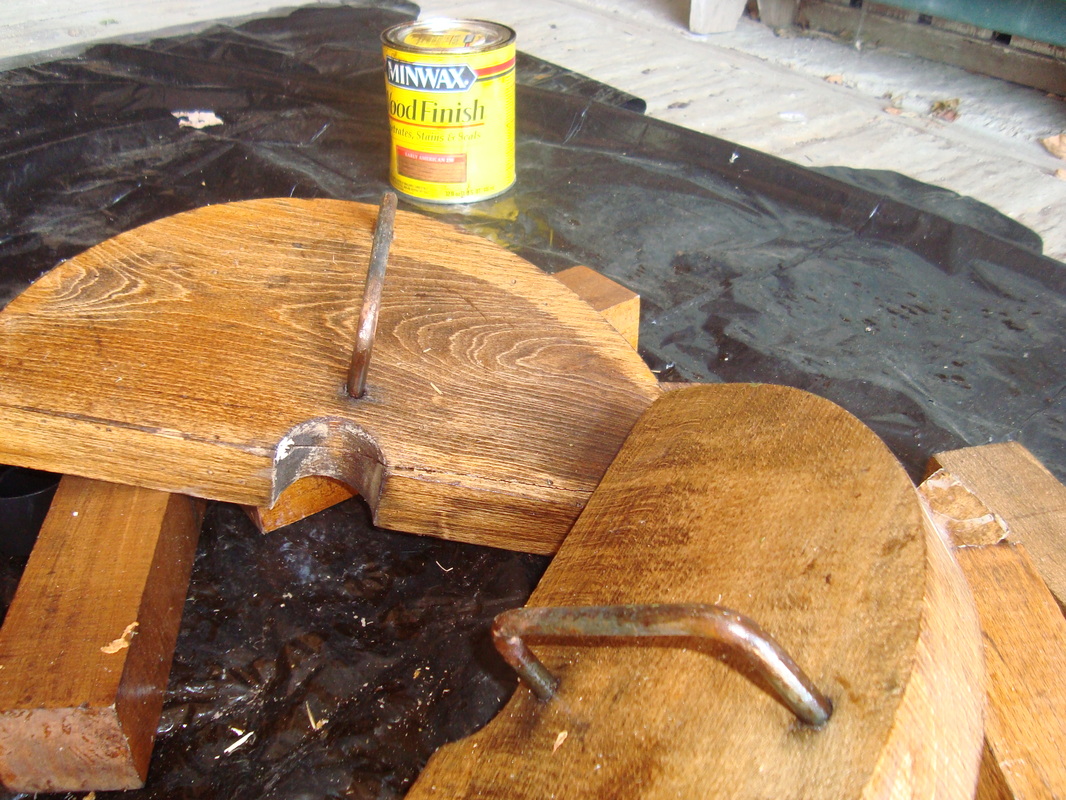
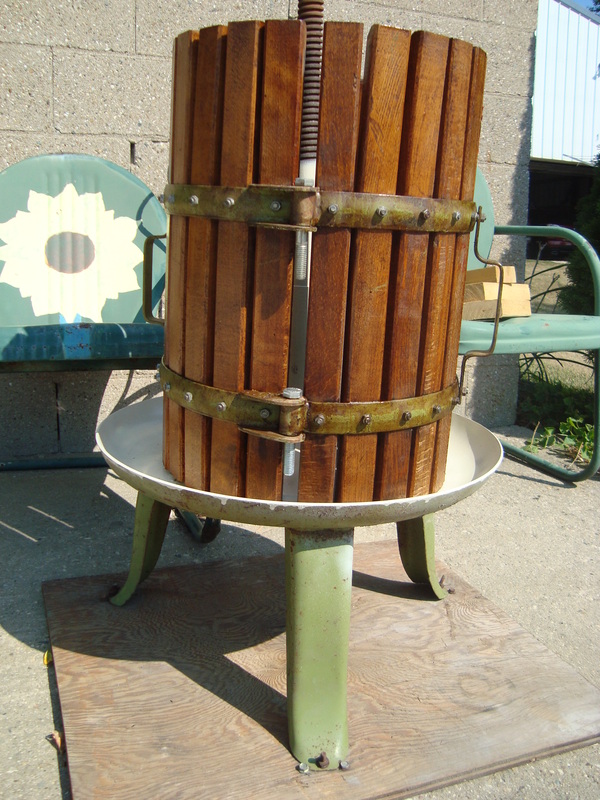
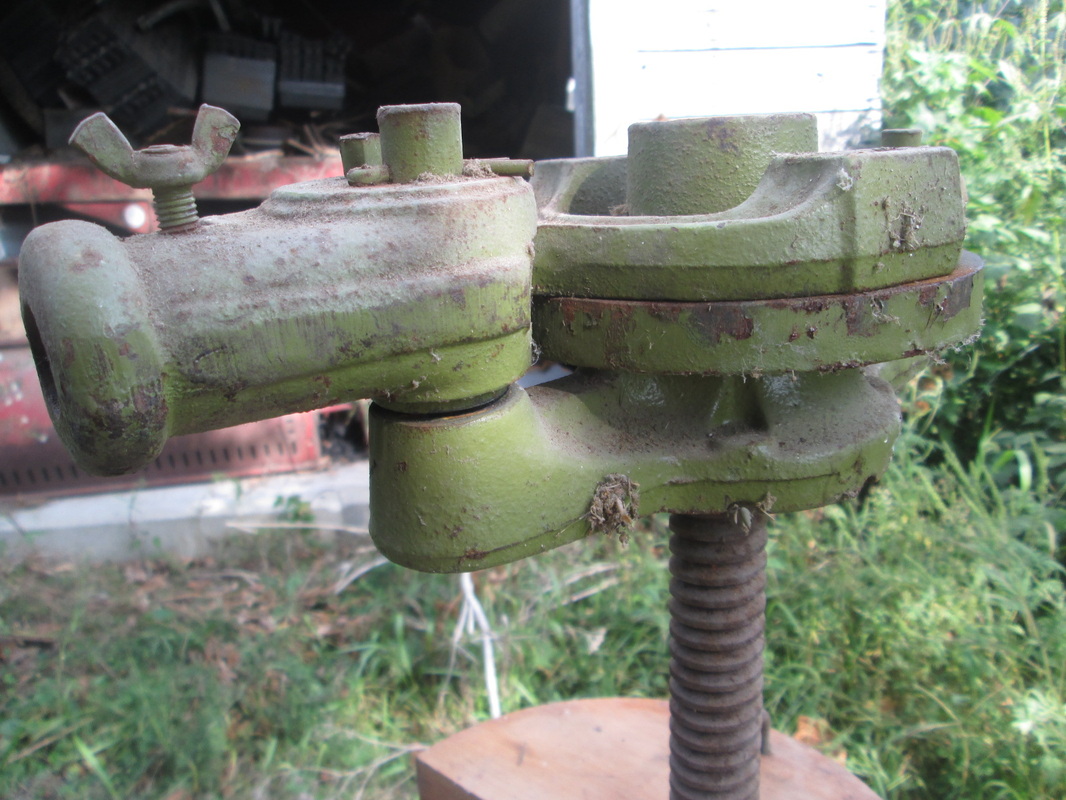
I had finally finished the reconstruction of my apple cider press earlier in the week. Having bleached all the parts, repainted the metal piece on the bottom, re-varnished all the wooden pieces, and sprayed everything down with two coats of food-safe glaze (which I found at Big R), I was eager to squeeze my little beauties in the press. 

Picture
Picture
The only problem was, before you can put your apples into a press, you have to grind them up. Once they've been good and smashed,  then you toss them in the press and squeeze out all the juices. The finer the mash, the more juice you can squeeze out. 
This left me in a bit of a pickle.
I scoured the internet high and low for a reasonable way to grind a large quantity of apples. It seems that others had also stumbled across this similar situation, as I found that everything had been tried from professional apple scratters (a scratter is the actual term for whatever you use to pulverize your apples), to meat grinders and rigged up garbage disposals, to pounding the apples in a bucket with sledge hammers.
As much fun as sledge hammering apples sounded, we decided to try a few other alternatives....
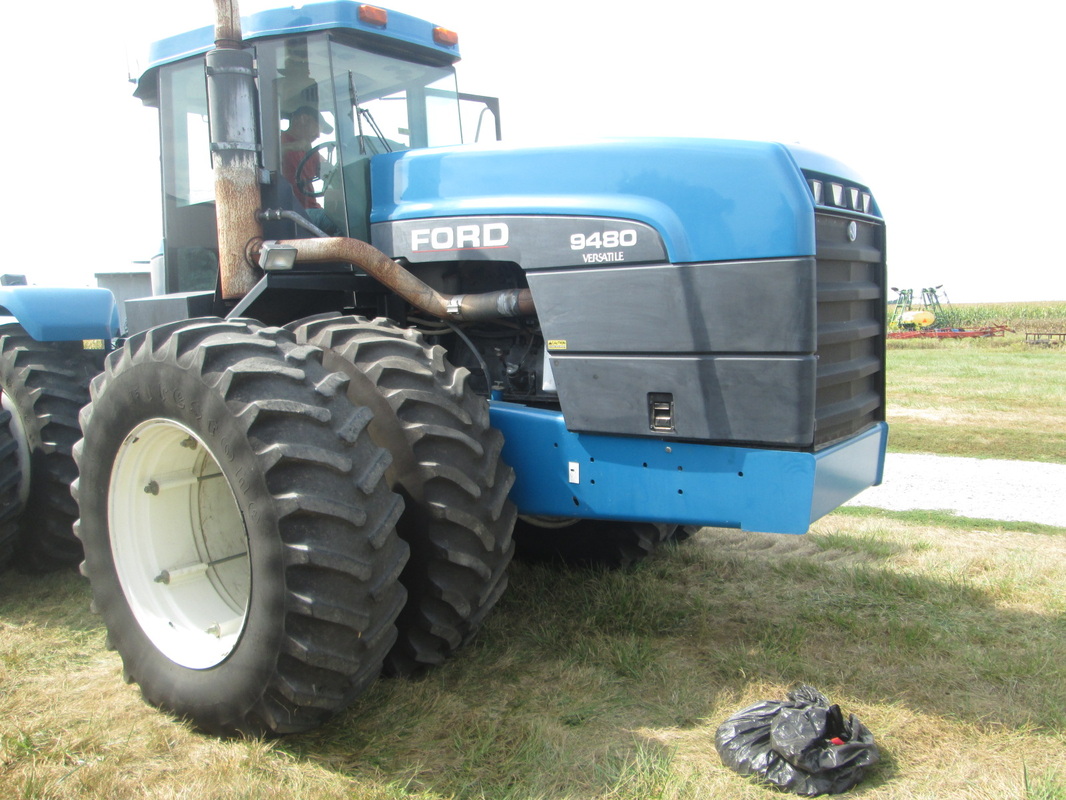
I double sacked the apples in black garbage bags, squeezed out as much air as possible, and tied off the bags.....then Dad set to work finding the best method to squish the apples into mush...
Picture
Living on a farm with large machinery does have its advantages....
Picture
Despite the impressively large scale of apple-mashing destructive force tactics that we employed, those tough little apples weren't in the pulverized state we were hoping for. 
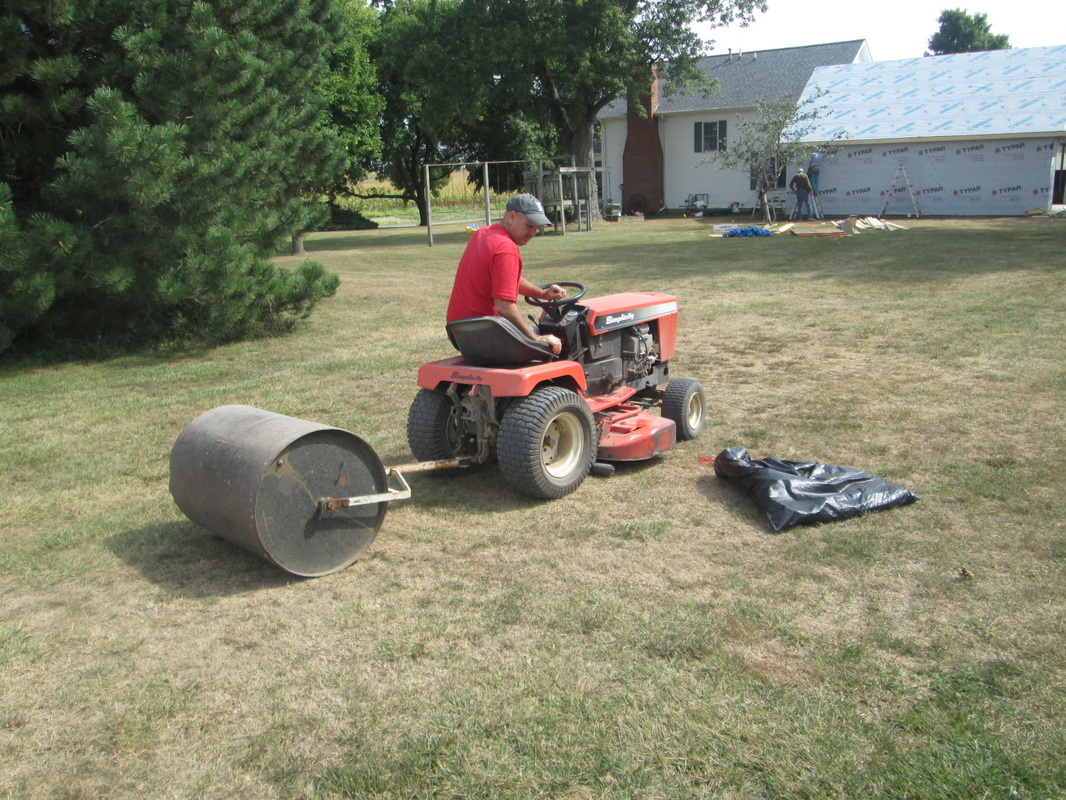
In the end, we dragged the sorry sack of apples to the cement area in front of our barn and Dad rolled over them again with the steel drum attached to the tractor mower. (Setting them on the cement helped since the apples couldn't mush into the ground)
The apples still managed to be a little chunky, but it was as good as we were going to get, so we carefully dumped our mash into the apple press, trying (and failing), not to get dead grass (that was now stuck to the garbage bag) into the press as well. 
Our apple mashing techniques still left a little something to be desired. 
In any case, I carefully layed the wooden pieces over the apples and Dad screwed the lever system on top, and we began to turn it and squeeze. 
We did manage to get a minimal amount of juice, but there seemed to be a problem with the lever system. Somehow it was supposed to ratchet back and forth to apply more pressure to the apples, and we couldn't get it to work. Even my Dad, who by my standards is a mechanical genius, couldn't figure out what we were missing. All in all, it was a bit of a disappointing venture. 
But don't cry for me Argentina! There are many more apples to pick and the Great Cider Adventure must go on.
In the famous words of Thomas Edison, "I haven't failed, I've just found 10,000 ways that don't work."  Let the cider-ing adventure continue!

P.S. anyone want a fully restored apple cider press? 
ha
0 Comments

Apple Cider Adventures

9/16/2013

1 Comment

 
Its the MOST wonderful time of the year. 
With the leaves all a-turning
And everyone yearning to have apple beer.
Its the Most wonderful time of the year.
Its the hap-happiest season of all
With the apple trees calling, they'll be bushels for hauling
and cider for ALL
It's the hap-happiest season of all.
Picture
Granddad dropped off a bag full of apples last week. 
Feeling inspired, I decided to try making my own cider. 
Picture
Picture
Picture
Picture
Picture
Picture
Picture
The end result: a snappy little cider that makes you dream of turning leaves and warm scarves and crisp fall evenings. 
Homemade Apple Cider with a Blender
Ingredients

blender or food processor
bag full of apples (30 smallish apples gave me a pitcher full of cider...not an exact science)

1. Since I didn't have a food processor, I used a heavy-duty blender...which worked okay, but there was a lot of apple chopping involved. Also I had to grind the apples in batches since the blender couldn't accommodate them all. Handy trick:  if you pour a little apple cider or apple juice into the blender with each batch of chopped apples, the blender handles them a lot more easily. 
2. The goal is to grind your apples up as fine as possible-- they should be applesauce-like for best results. The finer the grind, the more juice you can squeeze out of them. 
Once you've got your apples nice and saucy, lay a cheesecloth (or kitchen towel) over a bowl and dump in the applesauce. Then fold up the edges and SQUEEZE. The juice will come out and the apple remains will stay in the towel. 

Picture
The next day, Dad and I took a bike ride to the apple tree down the road, which was simply brimming with apples. Before plucking any fruit though we decided we maybe should check with our neighbor, who owned the property on which the apple tree grew. So we hopped back on the bikes and headed farther down the road.  
Picture
Picture
Our neighbor has a beautiful old brick farmhouse hidden behind creeping vines and unruly gardens. Its the kind of place that some people might call unkempt, and others (me) might call a little wild and a little magical. Its the kind of place that makes you wander what you will find if you stray off the path. 
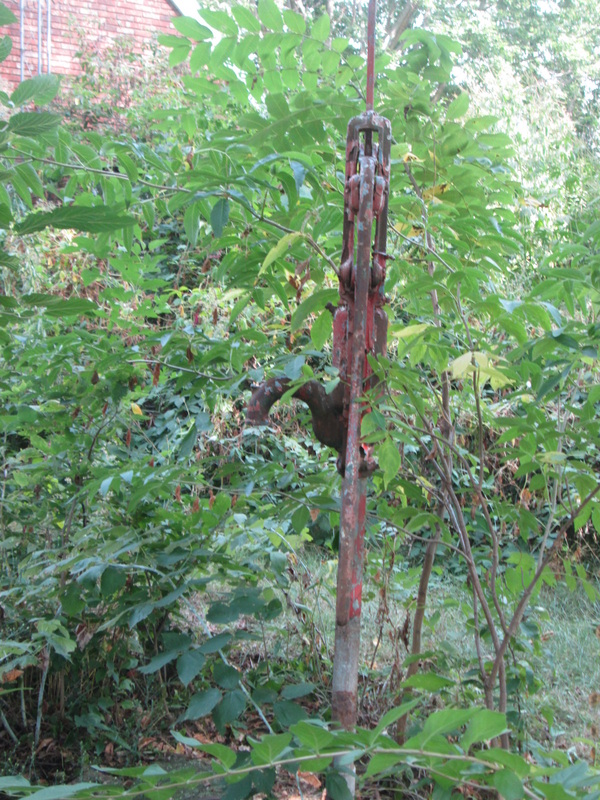
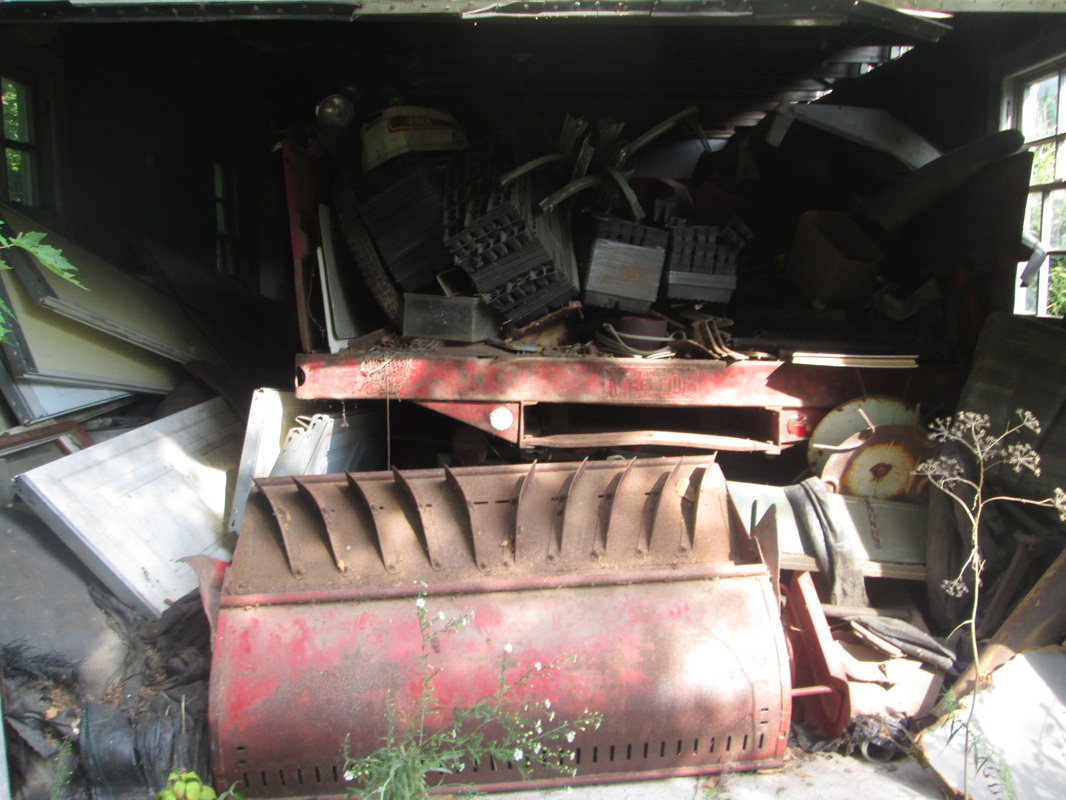
Lucky for us, we had our neighbor as a guide. After I explained to him that I wanted to make apple cider, he told us we could pick as many apples as we wanted, and then led us to an old shed full of gidgets and gadgets and whatchamacallits.  
Picture
Picture
Picture
Picture
And guess what we found?!
An old apple cider press. 

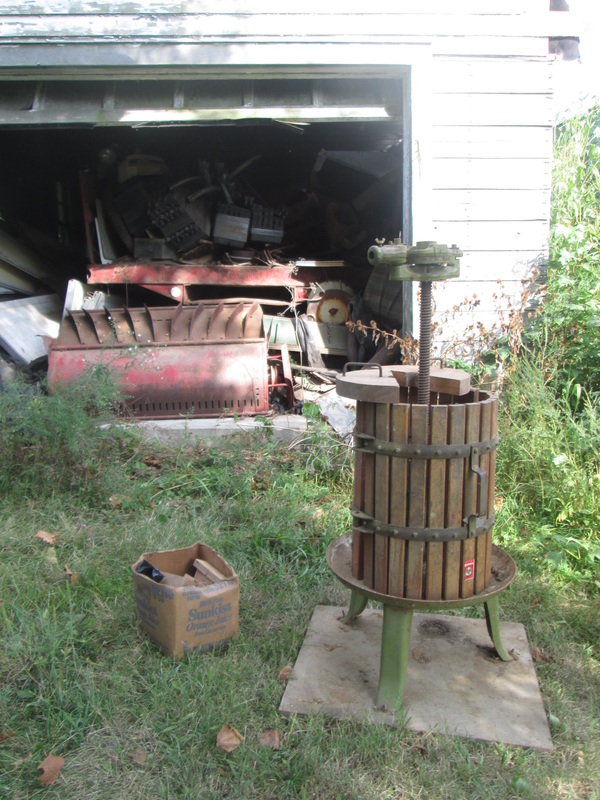
There'll be apple cider for all this fall!....(if I can figure out how to put it together)

Apple Cider Adventures Part II coming soon....
1 Comment
<<Previous

    Enter your email address:

    Delivered by FeedBurner

    Picture

    Author

    Hey there, my name is Molly. I'm just trying to keep one eye out for adventure while living the simple life in rural Illinois. 

    Archives

    January 2015
    September 2014
    July 2014
    April 2014
    March 2014
    January 2014
    October 2013
    September 2013
    August 2013

    Categories

    All
    Adventures
    Musings
    Recipes
    Tinkerings

    Follow on Bloglovin

    RSS Feed


Powered by Create your own unique website with customizable templates.